Mindfulness may slow the passage of time, article says
Mindfulness can make time feel slower, but not in a uniform way. In practice, the effect seems to depend on attention, the kind of meditation, and whether you are measuring seconds or minutes.
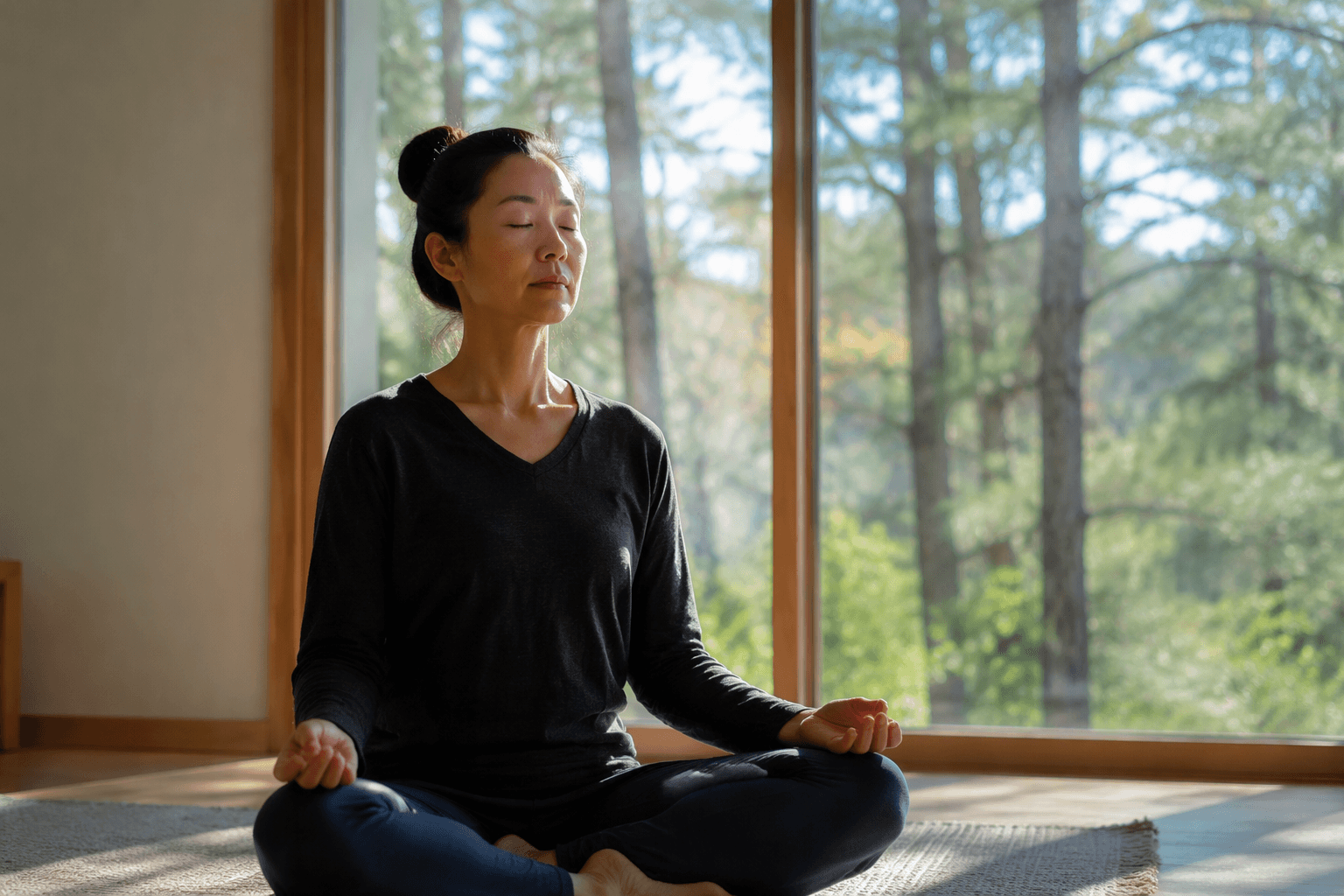
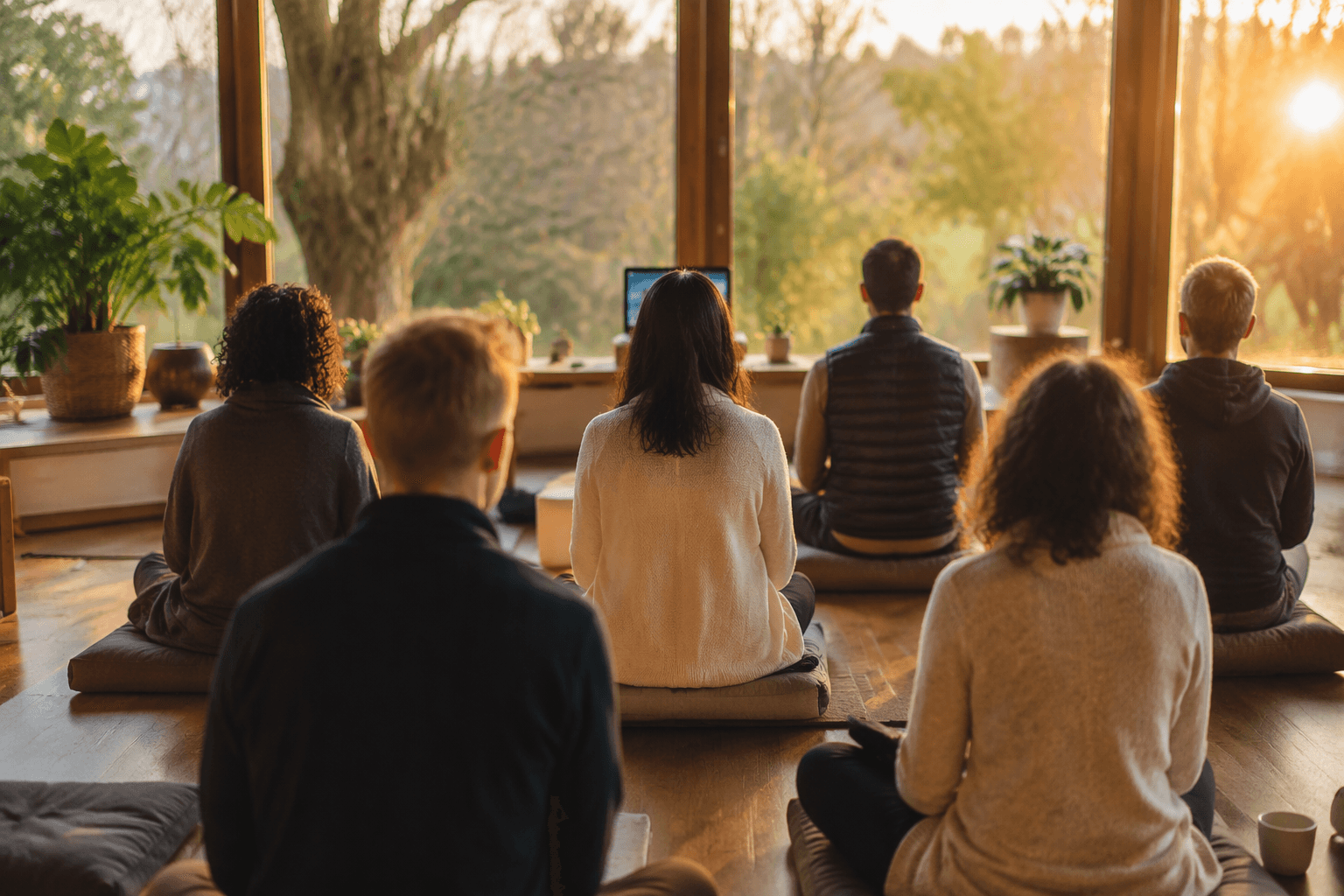
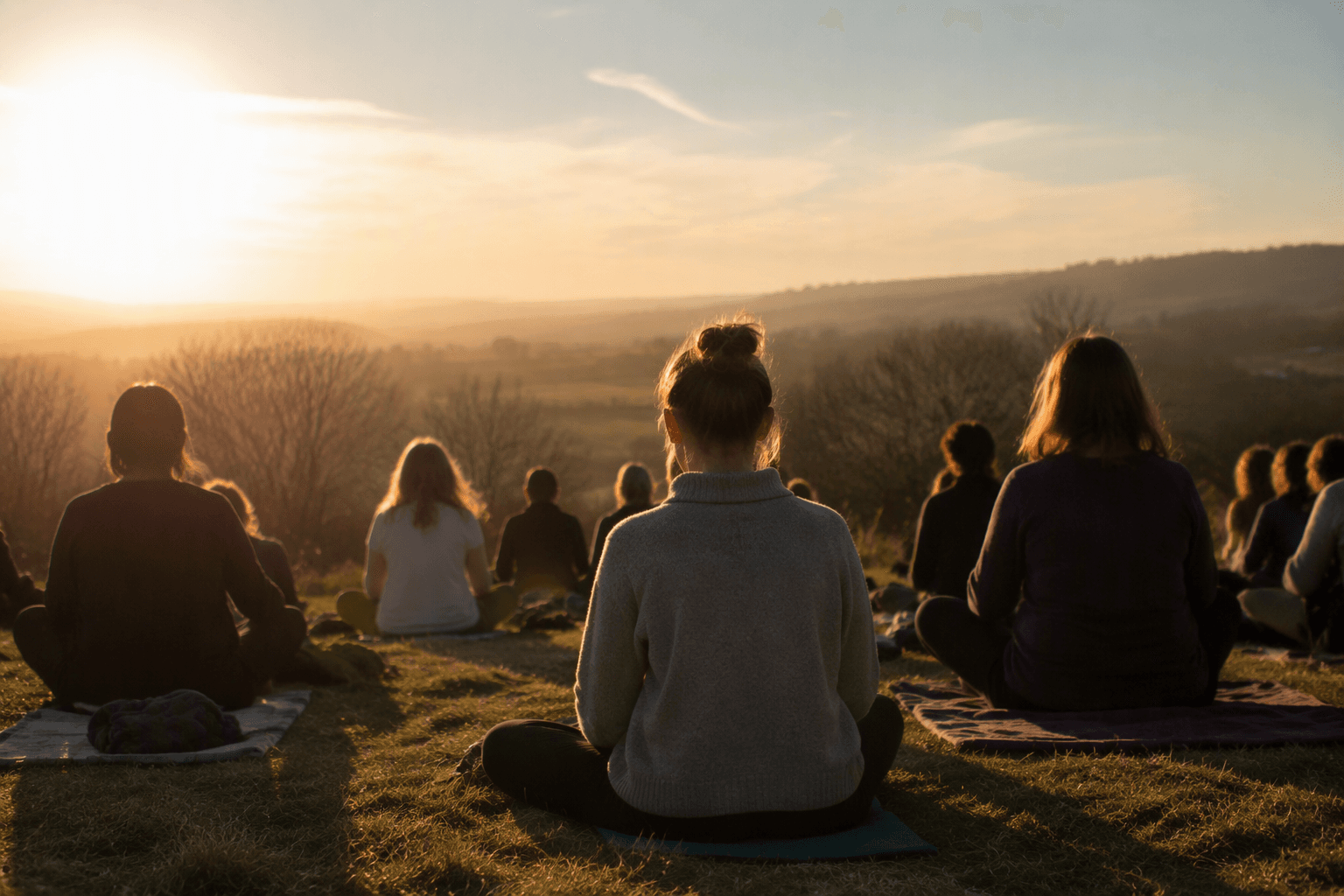
A five-minute meditation session can feel longer, shorter, or simply more spacious than the clock on the wall. For anyone whose day keeps vanishing before they can finish a sit, that lands in an oddly practical place. It is not about bending clocks; it is about whether a minute in the body feels thicker, less compressed, and easier to actually inhabit.
For Insight meditators, that difference can mean less reactivity, less scramble, and more room to notice the small shifts of breath, sensation, and mood that usually get flattened when the mind is already halfway to the next thing.
What “slower time” really means
The phrase can sound mystical if you take it literally, so it helps to strip it back. In meditation research, subjective time is the felt duration of an interval, and that can diverge from the clock on the wall.
That is the useful lens for Buddhist Insight practice. When mindfulness sharpens, experience often feels less like a blur of tasks and more like a chain of discrete events, each with its own beginning, middle, and end.
What the research has actually found
The topic has been in the literature for more than a decade. In 2013, a paper in Consciousness and Cognition, titled *The effect of mindfulness meditation on time perception*, tested whether mindfulness meditation would alter time perception, and PubMed indexed it under PMID 23778017 and DOI 10.1016/j.concog.2013.05.008.

The conversation widened in 2022 with *Changes in Subjective Time and Self during Meditation*, an open-access article in Biology. That paper looked beyond simple duration estimates and at how meditation can shift both subjective time and the sense of self.
In 2024, PubMed indexed *Mindfulness and time perception: A systematic integrative review*, and another 2024 paper, *Time consciousness: Silence, mindfulness, and subjective time perception*, appeared in Progress in Brain Research with PubMed ID 39097353.
Why the effect is not one-note
The cleanest headline is also the most misleading: mindfulness does not simply make time feel slower for everyone, every time. One PubMed-indexed study, *Mindfulness meditation and relaxation training increases time sensitivity* with PMID 25460243, points in a different direction, suggesting that mindfulness and relaxation can increase time sensitivity rather than just stretch time out.
Another paper, *Mindfulness meditation, time judgment and time experience: Importance of the time scale considered*, underlines a point meditators know from experience but researchers keep having to prove: seconds and minutes are not the same thing. A practice that changes how you estimate a short interval may not do the same for a longer stretch, and a sit that feels spacious can still leave your estimate of elapsed clock time surprisingly off.
The body seems to matter too. A 2023 MDPI paper on change in time perception following the place of pre- also points toward broader bodily and spatial factors in how time is registered.
Why everyday life keeps showing up in the story
The recent wave of coverage has moved the subject out of a purely therapeutic lane and into ordinary life. In 2019, Psychology Today published *Meditation May Change the Way We Perceive Time*. Psychologists at the University of Kent and Witten/Herdecke University found mindfulness meditation could temporarily alter time perception, and Neuroscience News covered the finding.
That shift is part of what makes the current framing useful for Insight communities. When a piece about mindfulness and time lands in the middle of work pressure, parenting, screen fatigue, or the feeling of being permanently behind, it gives people something concrete to test. You do not need a doctrine-heavy explanation to notice whether the next ten minutes at the cushion feel less crowded than the ten before them.
The newer journalism has leaned into that everyday angle. The Conversation’s *Good things take time - but new research suggests mindfulness can make the wait easier* connects the practice to waiting and patience rather than to abstract spiritual states.
How to test the claim in your own practice
If you want to see what this means in actual sits, keep the experiment plain. Try one 10-minute period with a timer, and do not change the method halfway through. Stay with the breath, note the body, and observe whether the first few minutes feel chopped up by planning while the middle begins to widen.
- Notice whether you are counting minutes in your head or actually feeling each inhale and exhale.
- Track whether the mind keeps jumping ahead to the finish line.
- See whether body sensations, like the rise of the abdomen or the pressure of sitting, become more vivid as attention steadies.
- After the bell, compare the felt length of the sit with the clock time, without trying to force a conclusion.
A few simple markers help:
This article was produced by Prism’s automated news system from verified source data, official records, and press releases, then run through automated quality and moderation checks before publishing. The system is built and supervised by the people who set the standards it runs under. Read our full AI policy.
Did this article answer your question?