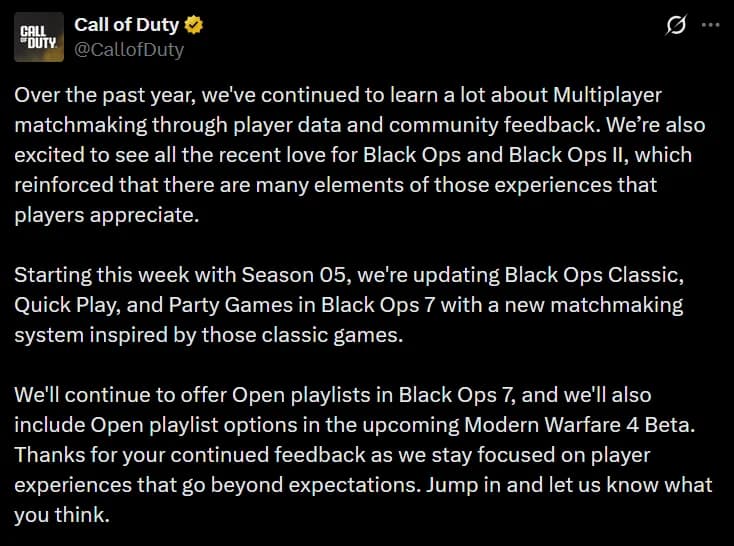
Black Ops 6 movement guide explains how omnimovement wins fights
Omnimovement turns Black Ops 6 movement into a fight-winning toolkit, not a clip-chasing trick. The biggest gains come from knowing when to slide, strafe, re-peek, or disengage.
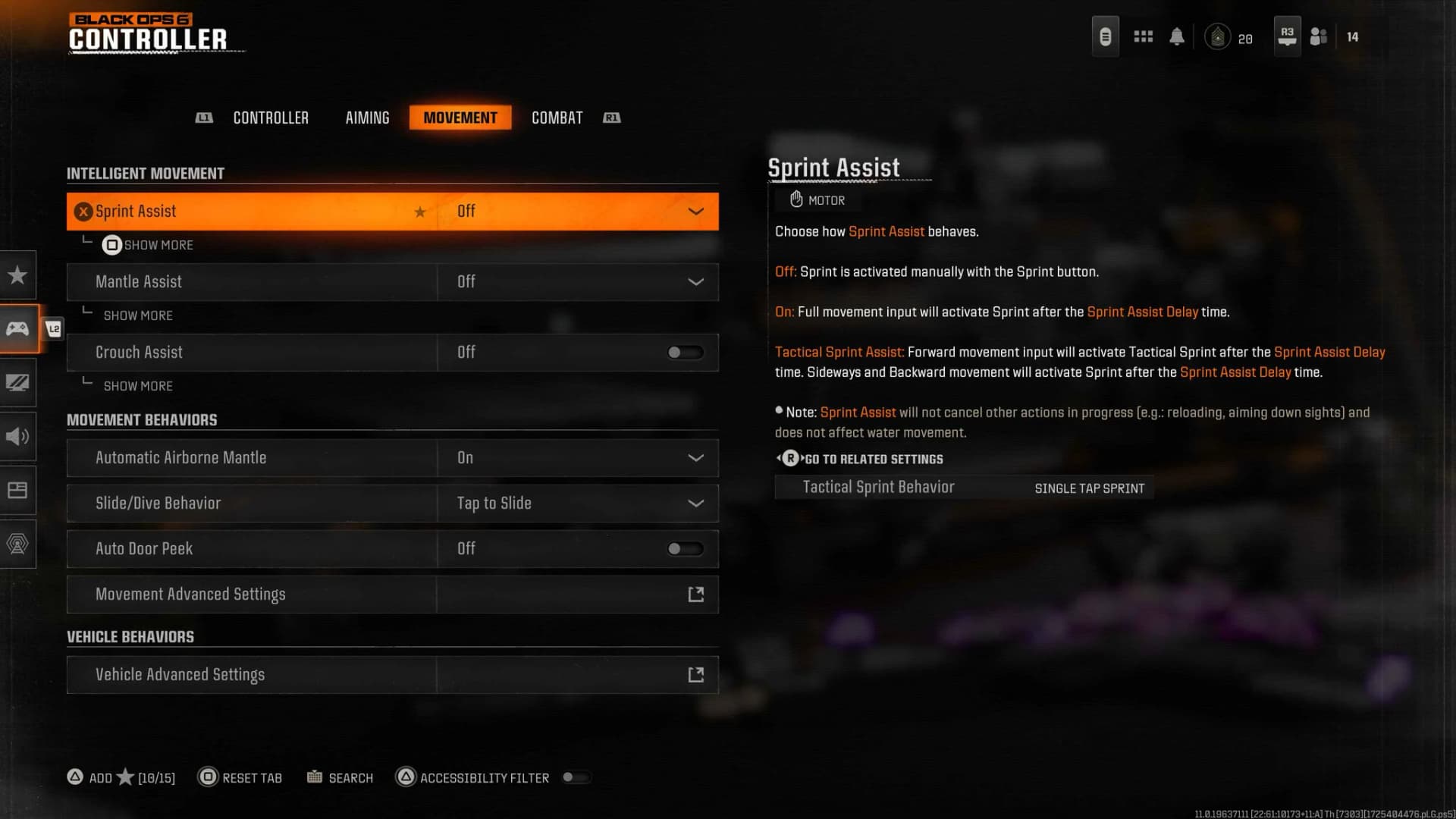
Activision’s omnimovement system makes movement a global part of Black Ops 6. In Multiplayer, it turns movement into a core skill for winning space, surviving pressure, and turning ugly duels into clean ones.
The mistake most players make is thinking movement means constant motion. In Black Ops 6, the better lesson is more disciplined than that. Sprinting, sliding, diving, mantling, strafing, camera control, corner checking, and even knowing when to stop moving so your aim settles are all part of the same toolkit, alongside separate controls and beta guides. They are not tricks on top of gunskill. They shape how you cross lanes, clear corners, and settle your aim before contact.
What omnimovement actually changes
Black Ops 6 was revealed on June 9, 2024, and the multiplayer beta began on August 30, 2024, with movement front and center in both. Activision called omnimovement a global movement system and framed it from the start as a foundational gameplay change rather than a tuning pass. The system reaches across Multiplayer, Zombies, and Warzone, which is why it matters beyond one playlist or one launch window.
Black Ops 6 does not ask you to move more for the sake of looking busy. It asks you to move with intent, then use that movement to control angles, break enemy tracking, and decide when to take or refuse a fight. Once you see it that way, the game stops rewarding flashy slides that go nowhere and starts rewarding clean decisions that put you behind cover or on a better angle.
1. Slide to cover, not to perform
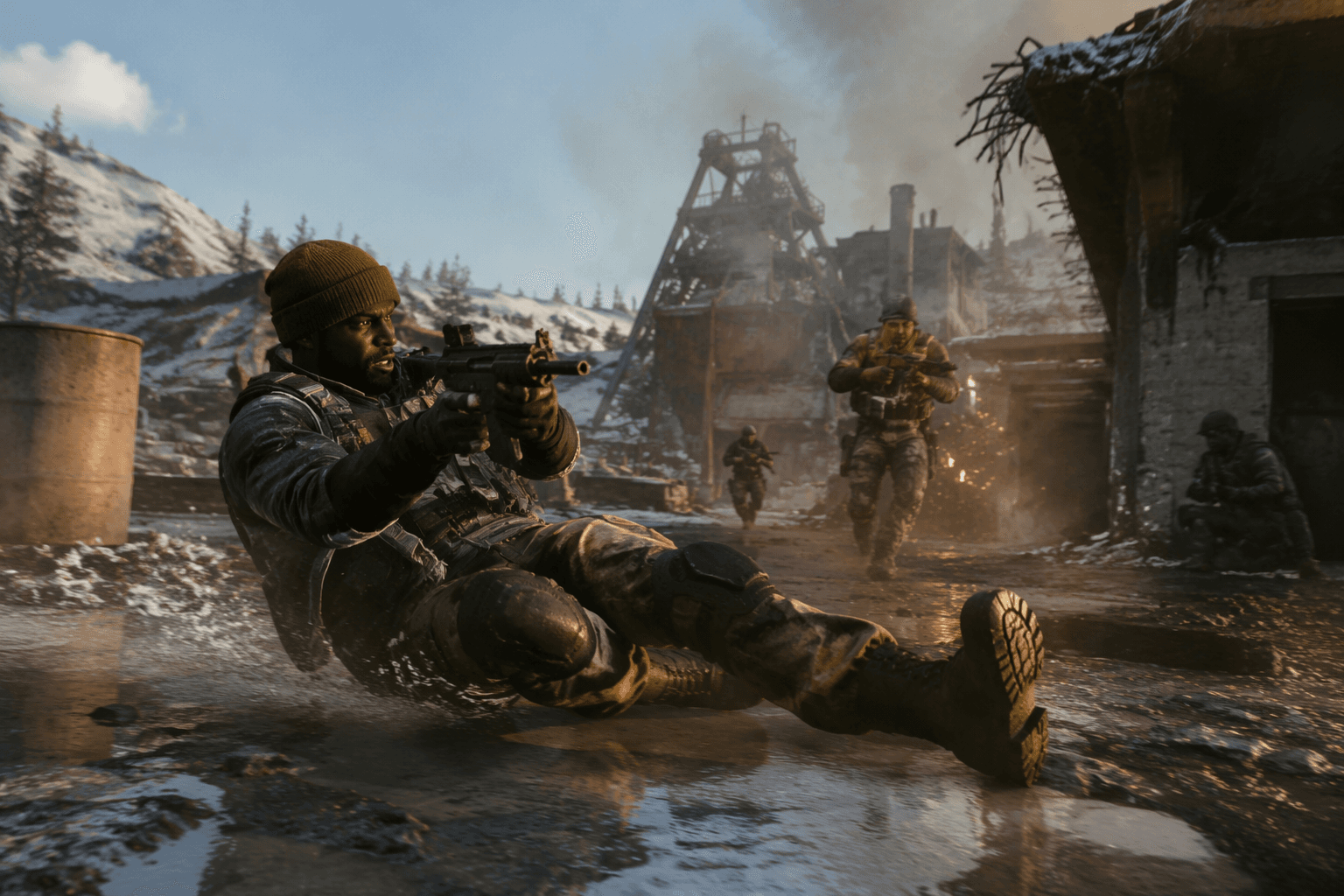
Sliding is strongest when it gets you from exposed to protected in one beat. If you are crossing a street, breaking into a doorway, or reaching a head-glitch before the enemy can fully set their aim, the slide buys real survival time. If you slide into an open lane with no cover, you are just lowering your profile while staying easy to punish.
The practical rule is simple: slide only when the end of the movement gives you something useful, like a crate, a wall, a doorway, or a position that forces the enemy to re-acquire you. In Hardpoint and Domination, that often means sliding into the edge of the hill or flag area rather than straight through the middle. In Team Deathmatch, it means using the slide to take a first piece of cover, then resetting before you overextend into a second angle.
2. Strafe to win the gunfight you already started
Strafing is the movement most players underuse because it looks small compared with a slide or dive. It matters most once the fight is live and both players have already seen each other. A good strafe can throw off enemy tracking, help you hold an angle while making yourself harder to read, and keep your aim stable enough to land shots instead of panic-hipfiring.
Use it in doorway fights, staircase peeks, and any medium-range duel where you are both planted on different pieces of cover. If you are holding a lane, short strafes let you shoulder the angle and re-center without giving away your whole body. If you are challenging someone who already has the better position, strafe-peeking from cover is usually safer than a full sprint commitment.
3. Reposition after contact instead of re-challing the same line
One of the biggest movement wins in Black Ops 6 is the ability to break line of sight and come back from a different angle. If you tag someone and stay in the exact same spot, you are giving them the best possible read for the re-challenge. Omnimovement makes the better option easier to execute because you have more directional freedom to reset, rotate, and re-enter the fight on your terms.
After the first burst, ask whether you can move two steps to a different head-glitch, take a wider lane, or use a mantle to change elevation before you peek again. In objective modes, repositioning is what keeps you alive during rotations, especially when the enemy team collapses on the hill or stacks a flag from multiple angles.
4. Challenge only when your exit is already available
A strong challenge is never just about aiming first. It is about entering the fight with an escape route, a piece of cover, or at least a path that lets you reset if the first burst goes bad. That is where movement and discipline meet: you are not trying to win every fight instantly, you are trying to keep a path back to cover if the first burst goes bad.
Use this mindset around corners and power positions. If you are rounding a corner into a likely gunfight, pre-aim the angle and keep your movement controlled so you can stop cleanly if contact happens. If you are sliding or diving into a room, make sure there is a second piece of cover inside the space so you are not trapped once the entry is complete.
5. Disengage faster when the fight is already lost
Good movement is not only about taking space. It is also about knowing when to leave a bad engagement before it becomes a death you did not need. If your armor, health, positioning, or angle is compromised, break sight lines, sprint to cover, and reset instead of forcing a heroic final shot.
Disengaging matters in every mode because it preserves your next spawn, your streak potential, and your team’s map control. In Multiplayer, one clean escape can save a lane or delay a collapse. In objective play, getting out alive can matter more than a single elimination because it lets you return with better timing and more information.
A simple training plan for your next session
The fastest way to make omnimovement useful is to practice it in pieces, not all at once. Movement, controls, and beta information sit in separate guides because each layer does something different, and your hands need repetition before the decisions become natural.
Start with this sequence in your next session:
1. Run a few straight-path crossings and use slides only when you are actually reaching cover.
2. Take a set of doorway and head-glitch fights using short strafes instead of full sprint re-peeks.
3. After every first engagement, force yourself to move to a different piece of cover before you challenge again.
4. Practice one clean disengage per match, even if it means giving up a fight you might have forced.
5. Watch how often you stay alive simply by slowing down long enough for your aim to land.
This article was produced by Prism’s automated news system from verified source data, official records, and press releases, then run through automated quality and moderation checks before publishing. The system is built and supervised by the people who set the standards it runs under. Read our full AI policy.
Did this article answer your question?