Call of Duty turns 20, from WWII roots to Modern Warfare era
Call of Duty’s 20-year arc is really a story of turning points: WWII firefights, Modern Warfare’s multiplayer leap, Black Ops Zombies, Warzone, and Mobile.
Call of Duty’s 20-year run makes the most sense when you trace the moments that changed how players actually showed up each year. The franchise began as a WWII shooter on October 29, 2003, then kept reinventing the way fans played multiplayer, Zombies, and battle royale without losing its snap-to-target feel.
The WWII launch that set the template
The original Call of Duty arrived in 2003 as a Windows PC shooter built around World War II firefights, squad movement, and a cinematic pace that set it apart from simpler run-and-gun shooters of the time. Players could fight with U.S., British, and Soviet forces through historic battles including D-Day and the Battle of the Bulge, which gave the game a clear identity from the start. Infinity Ward developed it and Activision published it, and Activision’s anniversary recap now frames that launch as the start of a “massive global experience” synonymous with first-person action.
That first release matters because it established the franchise’s basic promise: fast combat, strong mission flow, and a presentation that made each battle feel bigger than a standard PC shooter. The 20th-anniversary milestone, identified in October 2023, is easy to mark on a calendar, but the bigger memory for many players is simpler. This was the game that made Call of Duty feel like a series with a point of view, not just another war title.
Modern Warfare changed what players expected from multiplayer
Call of Duty 4: Modern Warfare, released in November 2007, is the pivot that turned the series into a yearly obsession for far more people. Activision’s release materials highlighted 32-player multiplayer on Windows PC and described it as a dynamic, community-oriented multiplayer experience, which captures why it hit so hard with fans who cared more about lobbies than campaigns. The series also moved decisively out of World War II and into a modern combat setting, and that shift gave Call of Duty the blockbuster identity it still carries.
Modern Warfare did more than change the setting. It changed the rhythm of how players came back to the game, how they talked about balance, and how they treated each new release as the next big competitive reset. Later Modern Warfare-era messaging pushed that transformation even further, spotlighting cross play, free maps and modes, and a new engine as the “largest technical leap in Call of Duty history.” Those are not just marketing bullets. They explain why the franchise stopped feeling like a boxed shooter and started feeling like a connected platform.
Black Ops gave the series a second personality
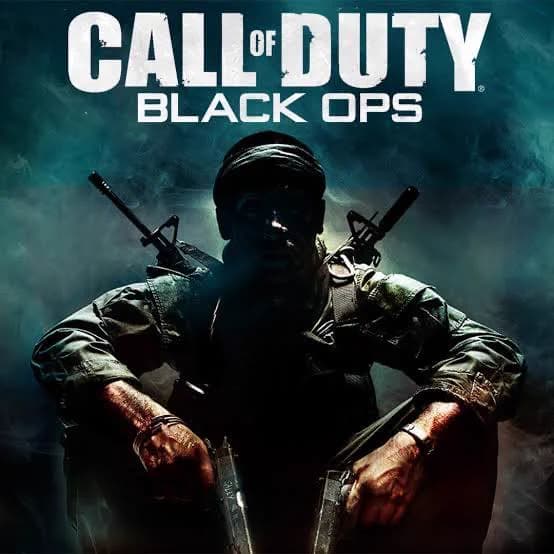
If Modern Warfare defined the mainline multiplayer culture, Black Ops gave the franchise a different long-term identity. Treyarch’s branch leaned into Cold War intrigue and conspiracy-driven storytelling, but its real legacy for a huge slice of the community is Zombies. That mode became a hobby inside the hobby, the place where squads stayed up for one more run and where Call of Duty stopped being only about scorelines and started being about survival, Easter eggs, and mode mastery.
Treyarch’s Black Ops Cold War materials made that evolution explicit by calling it a “new Zombies story.” That phrase matters because it shows Zombies was no longer a side mode hanging off the campaign. It had become a living branch of the series with its own expectations, its own lore debates, and its own player base. For a lot of fans, that split is the real history of Call of Duty: multiplayer, campaign, Zombies, and later Warzone all building separate identities under one banner.
Warzone and Mobile pushed Call of Duty beyond the annual disc
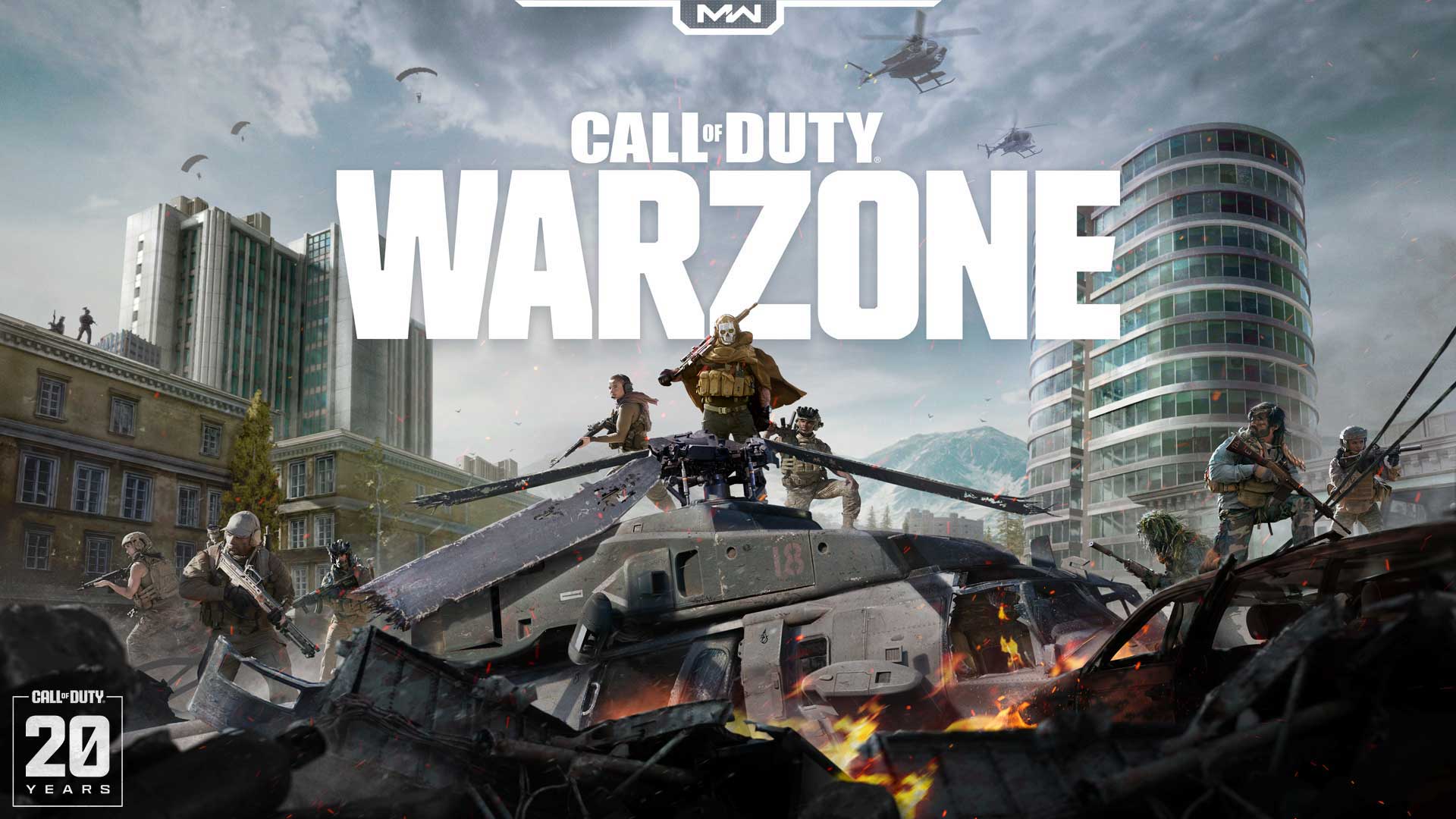
Warzone changed the scale of the franchise by turning Call of Duty into a live-service ecosystem with shared progression and a battle royale identity. Instead of living only inside the premium yearly release, the brand became a place people could keep playing across seasons, with huge player counts and a pace that pulled in players who had never cared about the old boxed cadence. That move fits the franchise’s broader Modern Warfare-era push toward cross play and free content, because it showed Call of Duty could live as a platform, not just a release schedule.
Call of Duty: Mobile carried that same idea onto a different screen. The franchise’s official site now groups Call of Duty Mobile alongside Warzone, Black Ops, and Modern Warfare as a core part of the brand, which tells you how complete that shift has become. The core loop survived the platform change because the shooting still felt immediate, the progression still mattered, and the brand still delivered the same competitive pressure fans expect from the console and PC versions.
Why the series still feels like Call of Duty
What keeps Call of Duty recognizable is not one setting or one mode. It is the way each era has refreshed the same core promise, whether that meant boots-on-the-ground WWII combat, modern military campaigns, tactical battle royale, or cooperative Zombies systems that keep expanding. The series has stayed durable because it keeps giving each generation of players a different reason to claim a place in the timeline.
That is the real shape of the franchise’s 20-year story. It started with D-Day and the Battle of the Bulge, jumped into Modern Warfare’s community-driven multiplayer, split into Black Ops and Zombies, then stretched into Warzone and Mobile without losing its identity. When Call of Duty turned 20, the milestone was not just about age. It was about how many times the series has changed the way its community actually plays.
This article was produced by Prism’s automated news system from verified source data, official records, and press releases, then run through automated quality and moderation checks before publishing. The system is built and supervised by the people who set the standards it runs under. Read our full AI policy.
Did this article answer your question?