Dot Esports maps every Call of Duty game in release and timeline order
Call of Duty is too big to track by memory now, and this map shows where to start for campaigns, Zombies, or the reboot-era grind.

Call of Duty is past the point where a straight timeline is just trivia. With 24 mainline titles and 40 games once you count spin-offs, the series has become large enough that even veteran players can lose the thread, especially now that Black Ops, Modern Warfare, Warzone, and mobile all feed into the same wider ecosystem.
That is why Dot Esports’ new franchise map works so well. Instead of dumping every release into one long list, it splits the series into Black Ops entries, Modern Warfare entries, WWII games, future-era titles, battle royale releases, and mobile games, then explains how the original Modern Warfare trilogy fits next to the 2019 reboot timeline. For newer Warzone and Black Ops-era players, that structure matters. It tells you not just what launched when, but which games actually belong together, which ones share a universe, and which ones are only linked by branding and nostalgia.
The original run is still the cleanest place to understand the series
Call of Duty’s roots are easy to miss because the franchise is now so sprawling, but the original game launched in October 2003, and Activision later marked the series’ 20th anniversary on October 29, 2023. That milestone says a lot about how long the series has been shaping shooter expectations, from the World War II era to the modern military stories that made it a household name.
The scale is harder to ignore now. Activision said in April 2021 that premium Call of Duty games had passed 400 million sales worldwide, before later releases and free-to-play spinoffs pushed the ecosystem even wider. Official franchise pages also call Call of Duty the best-selling video game franchise, which is exactly why a release-order guide is useful instead of just interesting. At this point, the catalog is part memory test, part history lesson.
Black Ops is the easiest branch to follow if you care about story
If your main interest is campaign continuity, the Black Ops line is the branch that rewards attention the most. Treyarch and Raven Software have kept that side of the franchise moving through a cast that players still recognize instantly: Alex Mason, Frank Woods, David Mason, and Raul Menendez. That is the line that gives Call of Duty a more serialized identity, with conspiracies, character arcs, and timeline jumps that actually matter from one game to the next.
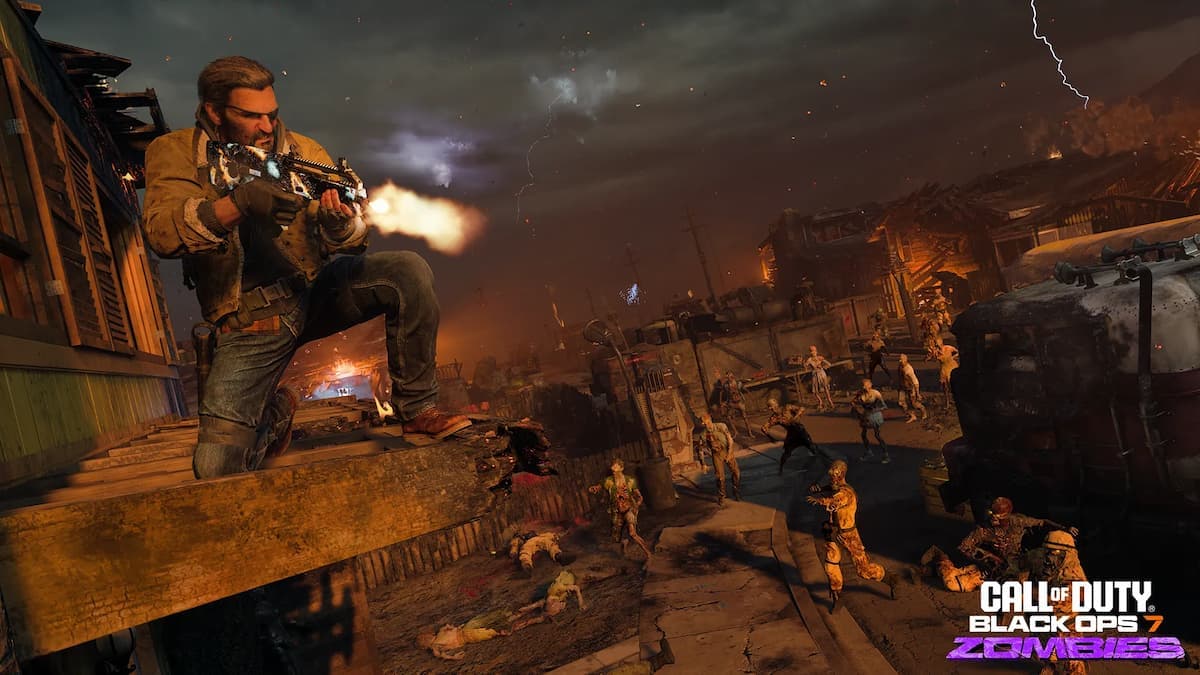
That is also why Black Ops 7 got so much attention when it was framed as a direct continuation set in 2035, more than 40 years after Black Ops 6 and tied to the events of Black Ops 2 and Black Ops 6. For anyone trying to catch up, that kind of official positioning is the clue. Black Ops is not just a label, it is the clearest story lane in the franchise, and the timeline map makes that obvious by showing how the games connect across decades.
Modern Warfare is split in two, and Dot Esports handles that the right way
The biggest trap for returning players is assuming every Modern Warfare game belongs to one continuous line. It does not. The original Modern Warfare trilogy and the 2019 reboot timeline sit side by side, and the franchise map separates them for a reason. That distinction matters if you care about campaign history, because the older trilogy has its own identity while the reboot line reintroduces familiar names and ideas under a new continuity.
Modern Warfare III is the clearest sign of how deliberately Activision has leaned into that legacy. It was promoted as the first back-to-back direct sequel in Call of Duty history, and it was built around all 16 launch maps from Call of Duty: Modern Warfare 2 (2009). Activision also said it would add more than 12 all-new core 6v6 maps in post-launch live seasons, which tells you exactly how the new era works: old-school nostalgia up front, live-service expansion behind it. If you are coming back for multiplayer context, that is the branch that makes the most sense to study first.
Zombies, battle royale, and mobile changed what “Call of Duty” even means
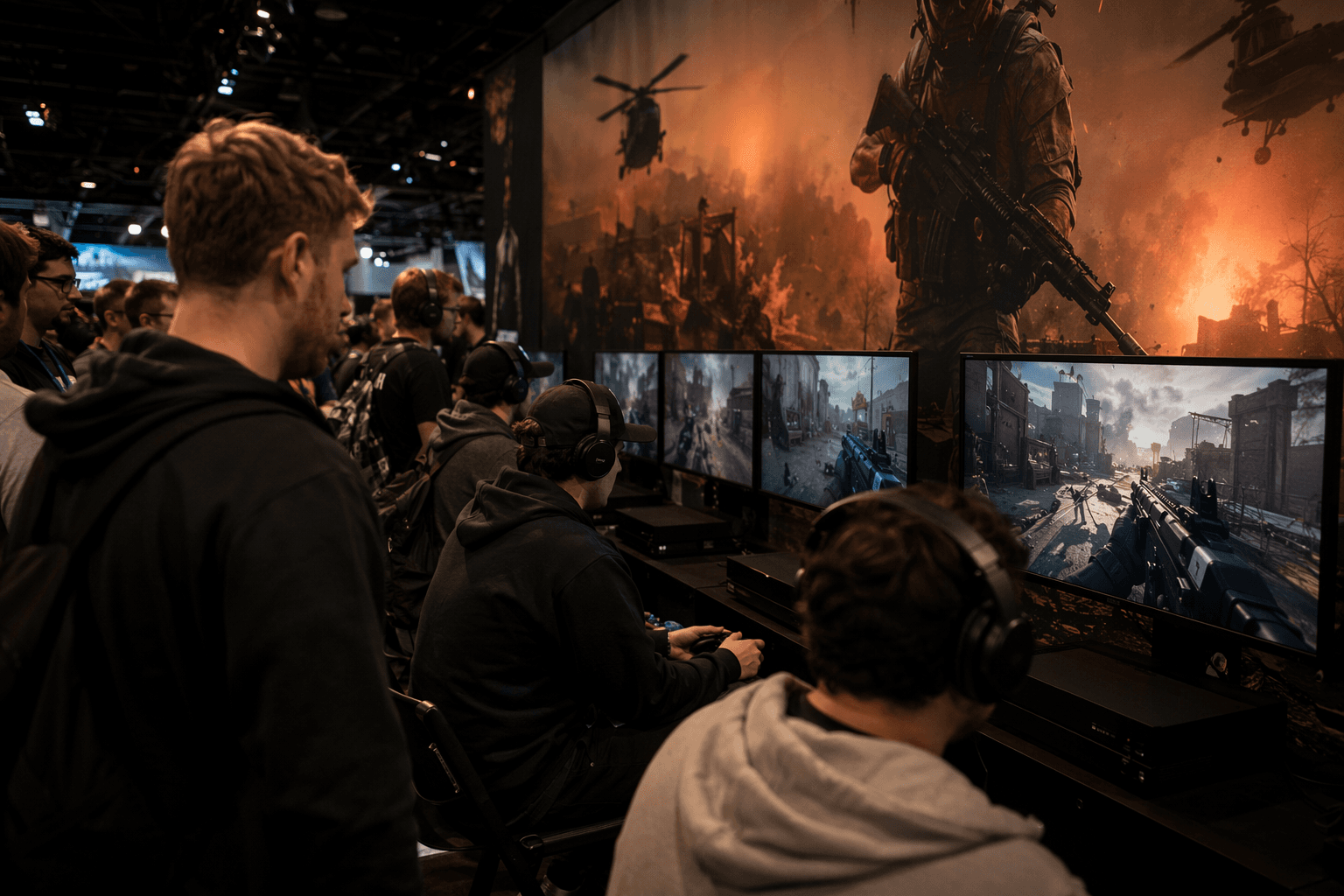
The franchise’s biggest shifts did not happen in a single clean line. They came in different eras, and the guide uses that to explain why older games still matter. Zombies became its own reason to care about Treyarch’s entries. Battle royale changed the social center of the series. Multiplayer design kept evolving as movement, map flow, and weapon handling shifted from one generation to the next.
Call of Duty: Mobile is the clearest proof that the brand outgrew the old console-only model. Activision said the game passed 500 million downloads across iOS and Android in 2021, which is a staggering number for a series that began as a premium PC and console shooter. Once you put mobile next to Warzone and the numbered annual releases, the franchise map stops being a neat trivia sheet and becomes a practical way to see how the brand spread across platforms and play styles.
Where a newer player should actually begin
If you are coming back after a few years away, the right starting point depends on what you want out of Call of Duty, not on release date alone.
- For campaign history, start with the original Modern Warfare trilogy if you want the classic military arc, or with Black Ops if you care more about the Alex Mason and Raul Menendez storyline.
- For Zombies, the Black Ops branch is still the most important lane to follow, because that is where the mode became a defining part of the franchise instead of just a side experiment.
- For modern multiplayer context, the reboot-era Modern Warfare games are the cleanest entry point, especially if you want to understand why map familiarity, direct sequels, and seasonal content matter so much now.
That is the value of a release-and-timeline guide in 2026. Call of Duty has spent years bouncing between sub-series, reboots, shared-universe references, and platform splits, so the franchise can feel more fragmented than it really is. A map like this cuts through the noise, shows you where each era belongs, and makes the series feel playable again instead of just enormous.
This article was produced by Prism’s automated news system from verified source data, official records, and press releases, then run through automated quality and moderation checks before publishing. The system is built and supervised by the people who set the standards it runs under. Read our full AI policy.
Know something we missed? Have a correction or additional information?
Submit a Tip