How to play Warzone, from drop phase to endgame survival
Win your first Warzone matches by treating the drop, contracts, cash, and Gulag as one plan. Rotate early, buy smart, and the gas stops feeling like a trap.
Warzone launched on March 10, 2020, as a free-to-play battle royale that PlayStation promoted as more than 100 players, and Activision later referenced matches with up to 150. Through Verdansk, Al Mazrah, and Urzikstan, the mode has stayed built around pressure, scale, and fast reads: make one clean decision at a time on where to land, when to cash in, and when to stop chasing fights.
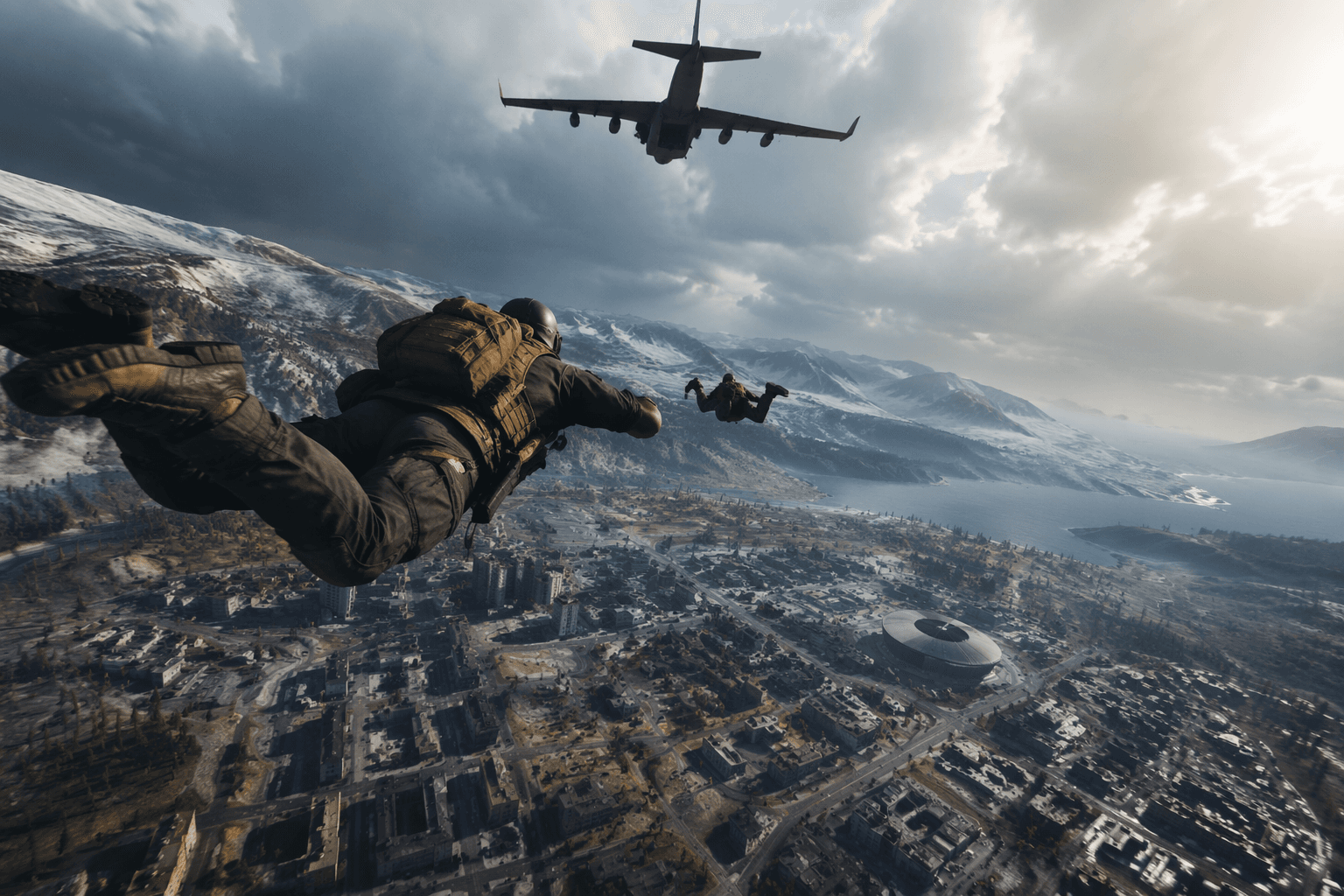
Drop phase: pick the kind of match you want
The first mistake new and returning players make is treating the drop like a pure reflex play. A hot drop gives you instant fights and quick cash if you win them, but it can also send you straight into the Gulag before you have a weapon, armor, or even a sense of where the lobby is moving. A safer edge-of-map landing buys room to loot and learn the flow, while a middle-ground point of interest gives you a better balance of resources, contracts, and early pressure.
That first choice matters because Warzone’s match size is massive enough to punish indecision. Your landing is not just about surviving your own fight, it is about entering a crowded economy before everyone else clears it out.
A simple landing rule keeps a lot of panic away:
- Hot drop if your squad wants immediate action and trusts its gunskill.
- Land on the edge if you want time to grab plates, armor up, and scout.
- Take a middle POI if you want enough loot to fund the next phase without getting trapped in the opener.
Contracts turn the map into a plan
Contracts are one of the best ways to stop Warzone from feeling random. Activision’s Season Four Reloaded contract guide listed five total contract types in Verdansk at that point, and completing a contract grew your Contract Bonus within the same match, not across matches. That means each completed contract is both money and momentum.
That is why so many squads push contracts early instead of wandering for scraps. They create a route, force movement with purpose, and turn map knowledge into cash and positioning power.
The common beginner mistake is taking fights that do not move the squad forward. A contract gives you a reason to move, and it usually does it with better efficiency than roaming for random ground loot. If the squad is split on what to do next, the contract is often the cleanest answer because it gives everyone the same job.
Buy stations are where money becomes advantage
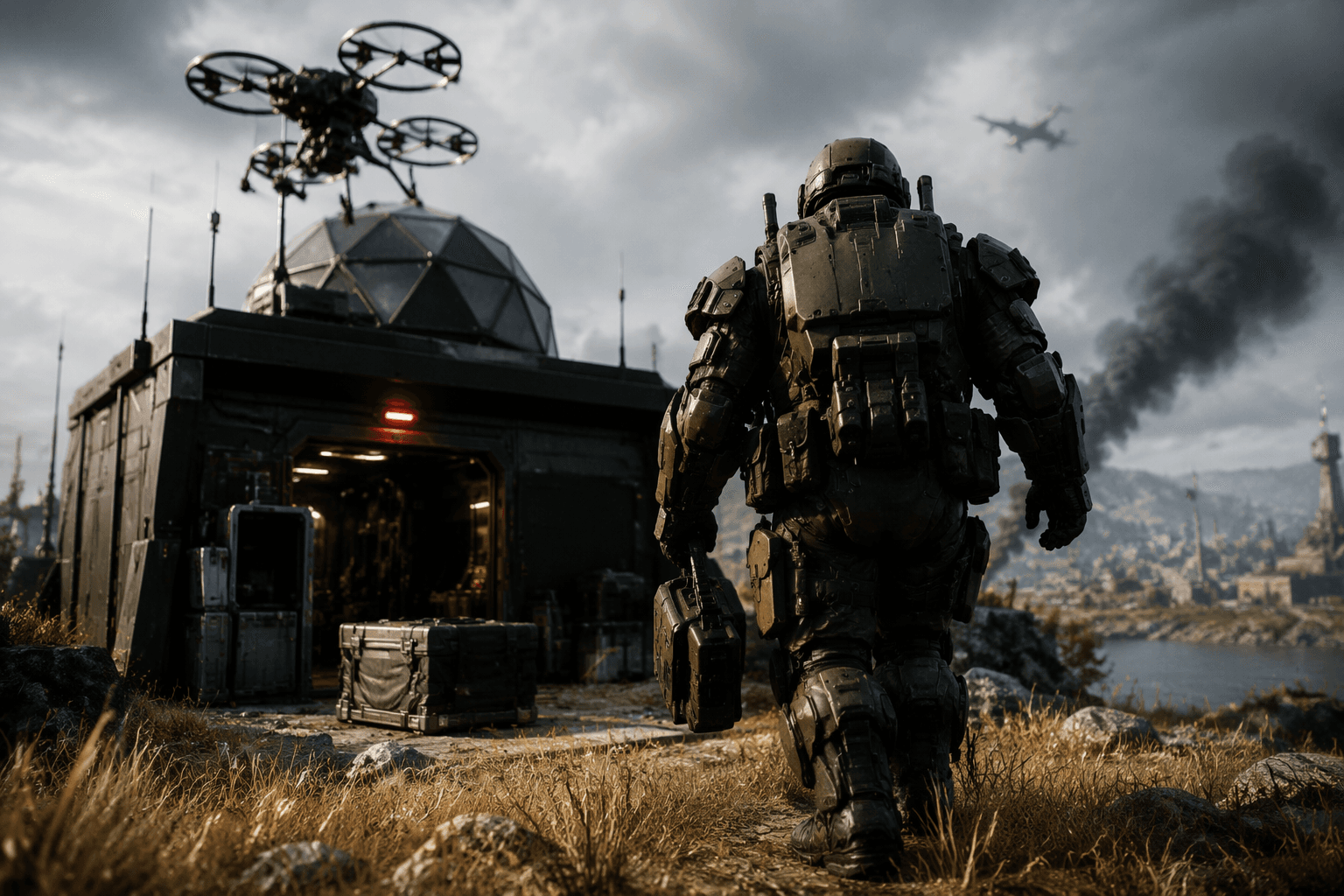
Once the cash starts building, buy stations become the most important landmark on the map. They are where your squad turns money into killstreaks, loadouts, revives, armor support, and other match-winning tools. These stations are scattered across the map, and they are central to getting the advantages that can swing a fight.
Reading the icons is part of Warzone literacy. Buy stations usually show as green shopping cart markers, while contracts use yellow markers, and learning those symbols quickly saves time in the middle of a match. If you are still hesitating over the HUD when your squad is already rotating, you are giving up the pace of the game before the real fights even start.
Older Warzone loadout prices were split by squad size:
- Solo: $8,000
- Duos: $16,000
- Trios: $24,000
- Quads: $32,000
A solo player can hit a buy faster, while a quad needs a stronger loot path and tighter money management.
The Gulag is a second chance, not a reset
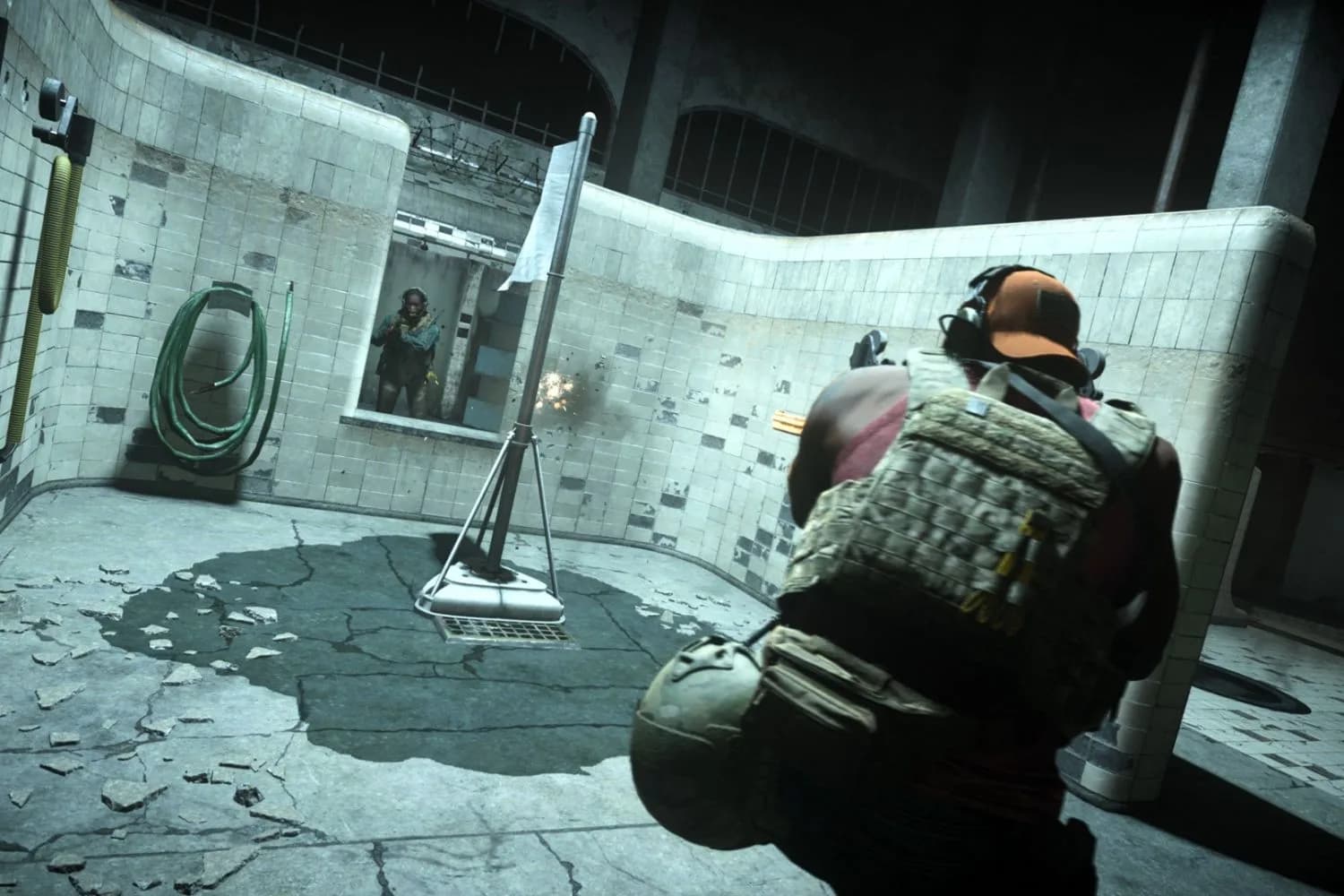
The Gulag is still one of the sharpest ideas in Call of Duty battle royale because it changes how death feels. In the original Warzone, it was best known as a 1v1 redeployment fight, which meant losing did not always end the run, but it always cost tempo.
Warzone 2.0, which launched on November 16, 2022, changed the formula at release with a 2v2 Gulag and a Jailer NPC. Later updates brought the system back toward the cleaner 1v1 structure, and another adjustment gave players a single Armor Plate when entering the Gulag.
The mistake to avoid is treating the Gulag like a coin flip. It is a second fight, but it still rewards patience, sound cues, and awareness of the equipment you enter with. If you get sent there with plates and a calm read on the arena, you are still very much alive in the match.
Gas timing decides who gets trapped
The gas is not just a countdown, it is the map’s most important control tool. It squeezes choices, cuts off greedy routes, and forces teams to decide whether a fight is worth the risk of a bad rotation. If you stay too long chasing one more elimination, the circle does the work for the enemy.
This is why the best endgame players rotate before panic sets in. They treat the final circles like a route problem, not a firefight problem, and they keep enough cash and positioning power in reserve to buy back teammates or stabilize after a bad trade. A squad with loadout access, spare armor, and a clear route through the closing rings usually beats a louder team that waited too long to move.
Warzone 2.0 launched on Al Mazrah, and Verdansk returned in 2025. Call of Duty described Verdansk’s comeback as a return to the original battle royale roots with quality-of-life improvements.
This article was produced by Prism’s automated news system from verified source data, official records, and press releases, then run through automated quality and moderation checks before publishing. The system is built and supervised by the people who set the standards it runs under. Read our full AI policy.
Did this article answer your question?