Modern Warfare 4’s Kill Block map changes every match
Kill Block could turn map knowledge into a moving target, with 500 layouts forcing players to read the lobby instead of memorizing one route.
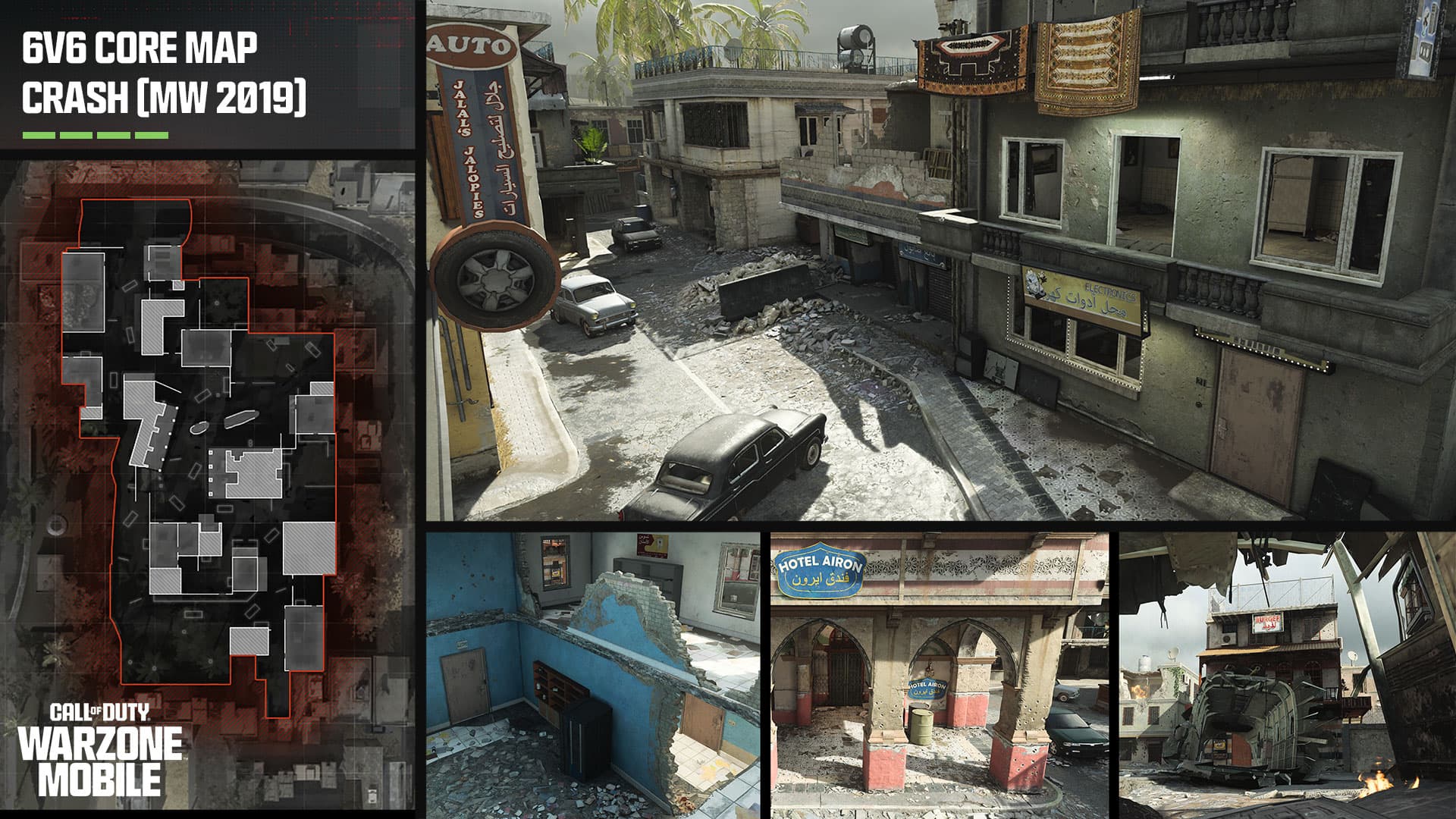
Kill Block is trying to break one of Call of Duty’s oldest habits: learning a map once and cashing that knowledge in every match. Instead of a fixed arena, Modern Warfare 4’s standout 6v6 space is built from three modular slabs that can be swapped and connected before a round starts, creating roughly 500 possible layouts. It is not a side attraction either, since the map is supported in all core multiplayer modes and sits inside a launch package that also promises 12 all-new 6v6 maps and larger-scale battlegrounds.
Kill Block is built around change, not memorization
The cleanest way to understand Kill Block is as a readability test. On a normal map, strong players build advantage by learning power positions, spawn tendencies, sightlines, and the fastest ways to cut off predictable routes. Kill Block interrupts that rhythm by changing its shape from match to match, so the knowledge gap is no longer “who has studied this map longer,” but “who can solve this version fastest.”
That design is deliberate. Infinity Ward says the goal is to push Call of Duty map design forward by making players adapt to the environment instead of locking into one dominant route. The map is about the size of Modern Warfare 3’s Shoot House, which matters because that size usually encourages quick reads, constant pressure, and tight control of lanes. On a map that compact, even small layout shifts can have a big impact on what feels safe, what feels exposed, and where teams want to anchor.
What the 500 configurations really mean in a live match
Five hundred combinations sounds like spectacle, but the real issue for players is competitive readability. If the slabs preserve clear anchors and understandable lanes, then the changing layout can create fresh mid-match problems without destroying skill expression. If the swaps constantly scramble sightlines and spawn logic, then the map risks becoming less about outplaying an opponent and more about rolling the dice on what version loaded in.
That is why Kill Block will live or die on familiar Call of Duty fundamentals. You still need readable power positions, consistent spawn boundaries, and enough visual language that both teams can identify what the map wants them to do. When those pieces hold together, changing geometry can reward adaptation and team discipline. When they do not, every lobby starts to feel different for the wrong reasons, and the map stops being a tactical puzzle and becomes noise.
A useful way to judge it on day one is simple:
- If the same lanes keep producing the same decision points, Kill Block may add real replay value.
- If strong teams can still lock down rotations by reading the slab layout quickly, the map could become a new competitive staple.
- If spawns and sightlines swing too wildly between versions, casual matches may stay chaotic while serious play rejects it.
That lens matters because map knowledge is one of the core currencies in Call of Duty multiplayer. Kill Block is not asking players to abandon that skill, but it is asking them to prove it in a new way.
The launch package gives the map its context
Kill Block is only one piece of the multiplayer rollout. Activision says Modern Warfare 4 launches with 12 all-new 6v6 maps, plus larger-scale maps built for vehicle and infantry combat, which gives the modular experiment room to breathe. In other words, this is not a one-map gimmick trying to carry the entire mode. It is one of the headline ideas inside a broader day-one slate.
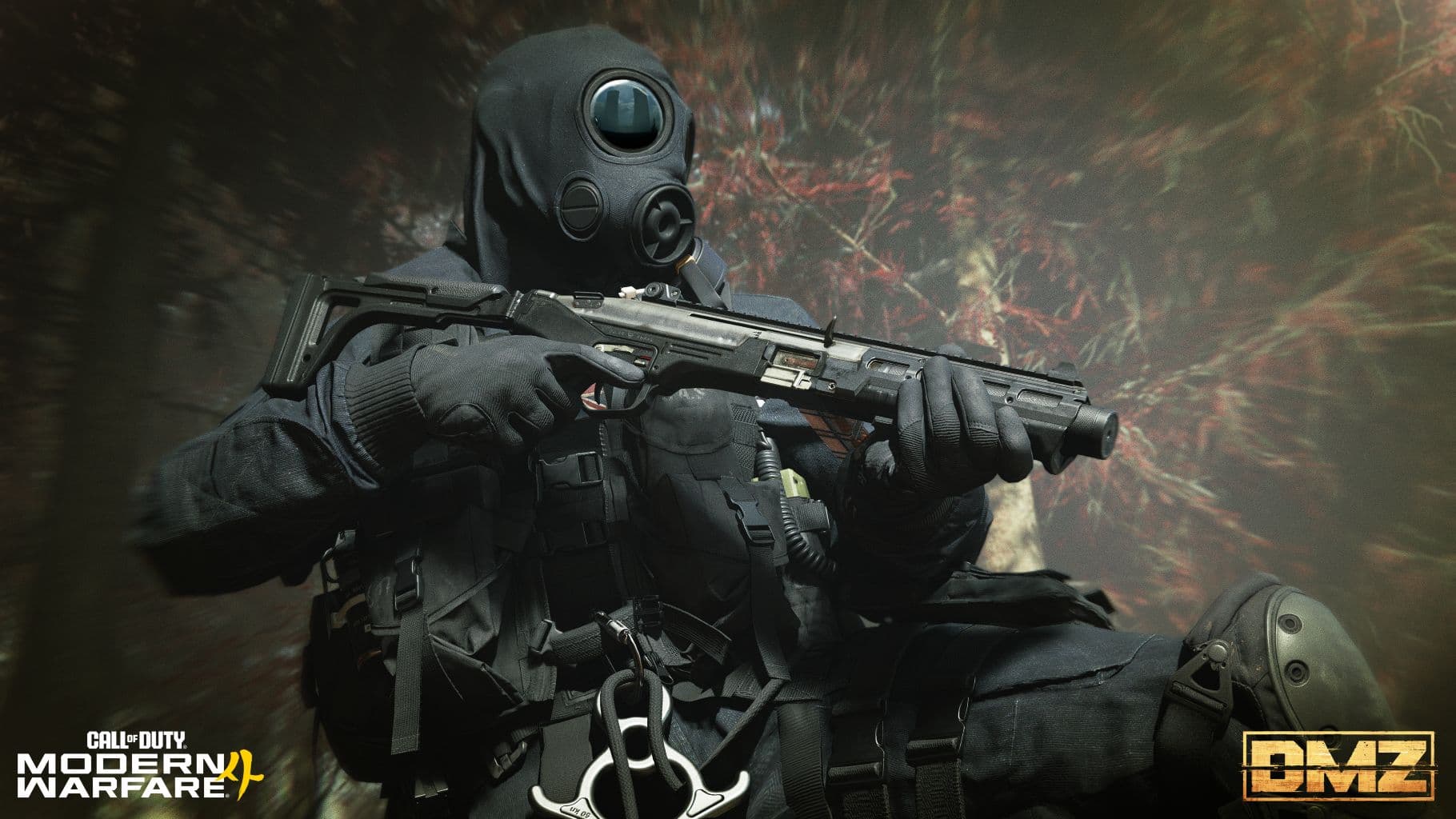
The full game is set for Friday, October 23, 2026, on PlayStation 5, Xbox Series X|S, PC, and Nintendo Switch 2. The launch package also includes campaign, multiplayer, and DMZ, so the studio is clearly positioning Modern Warfare 4 as a full-service release rather than a narrow competitive offering. For players, that means Kill Block should be judged as part of a larger identity shift, not in isolation.
Movement is faster, but not fully unrestrained
The same reveal that introduced Kill Block also clarified how Infinity Ward wants the game to move. Modern Warfare 4 does not use the wall taps or omnimovement seen in recent Black Ops games, but it does keep the series quick with sliding, mantling, and pole climbing. That is a meaningful middle ground, because it preserves fluid combat without leaning all the way into the more acrobatic style that some players love and others reject.
Infinity Ward is also openly acknowledging that Modern Warfare 2’s movement drew criticism, which explains the compromise. The new setup is meant to feel more flexible than the older tactical approach, while still staying less chaotic than Black Ops 7. That balance will matter a lot for Kill Block, because a changing map becomes much harder to read if the movement model is also asking players to track too many variables at once.
Where Activision is putting the information
Activision has also launched the Forward Operating Blog as the central hub for Modern Warfare 4 updates, and it was updated on June 7, 2026. The company says that hub will carry campaign, multiplayer, and DMZ intel, along with trailers and videos from Infinity Ward. That makes it the place to watch as the studio continues explaining how the new map philosophy fits into the wider game.
For players, that rollout is a clue in itself. Activision is not treating Kill Block as a one-off reveal; it is folding it into a larger campaign of explanation around how Modern Warfare 4 wants to feel. The publisher’s own language leans on “grounded, precise combat” and fluid movement, which lines up with the idea that this game wants tension, not chaos, even when the map itself keeps changing shape.
Kill Block will be judged on whether it teaches players to adapt faster without stripping away the map knowledge that makes Call of Duty feel fair. If the changing slabs create new reads while keeping the fight understandable, it could be one of the smartest multiplayer experiments Modern Warfare 4 ships with. If not, the most memorable thing about it will be how often it feels like the floor moved under your feet.
This article was produced by Prism’s automated news system from verified source data, official records, and press releases, then run through automated quality and moderation checks before publishing. The system is built and supervised by the people who set the standards it runs under. Read our full AI policy.
Know something we missed? Have a correction or additional information?
Submit a Tip