Modern Warfare 4’s DMZ lets you buy back dead operators
Dead operators in Modern Warfare 4’s DMZ are no longer gone for good, but bringing them back comes with a rising cash bill. It is a harsh, clever way to turn failure into a financial drain instead of a full reset.
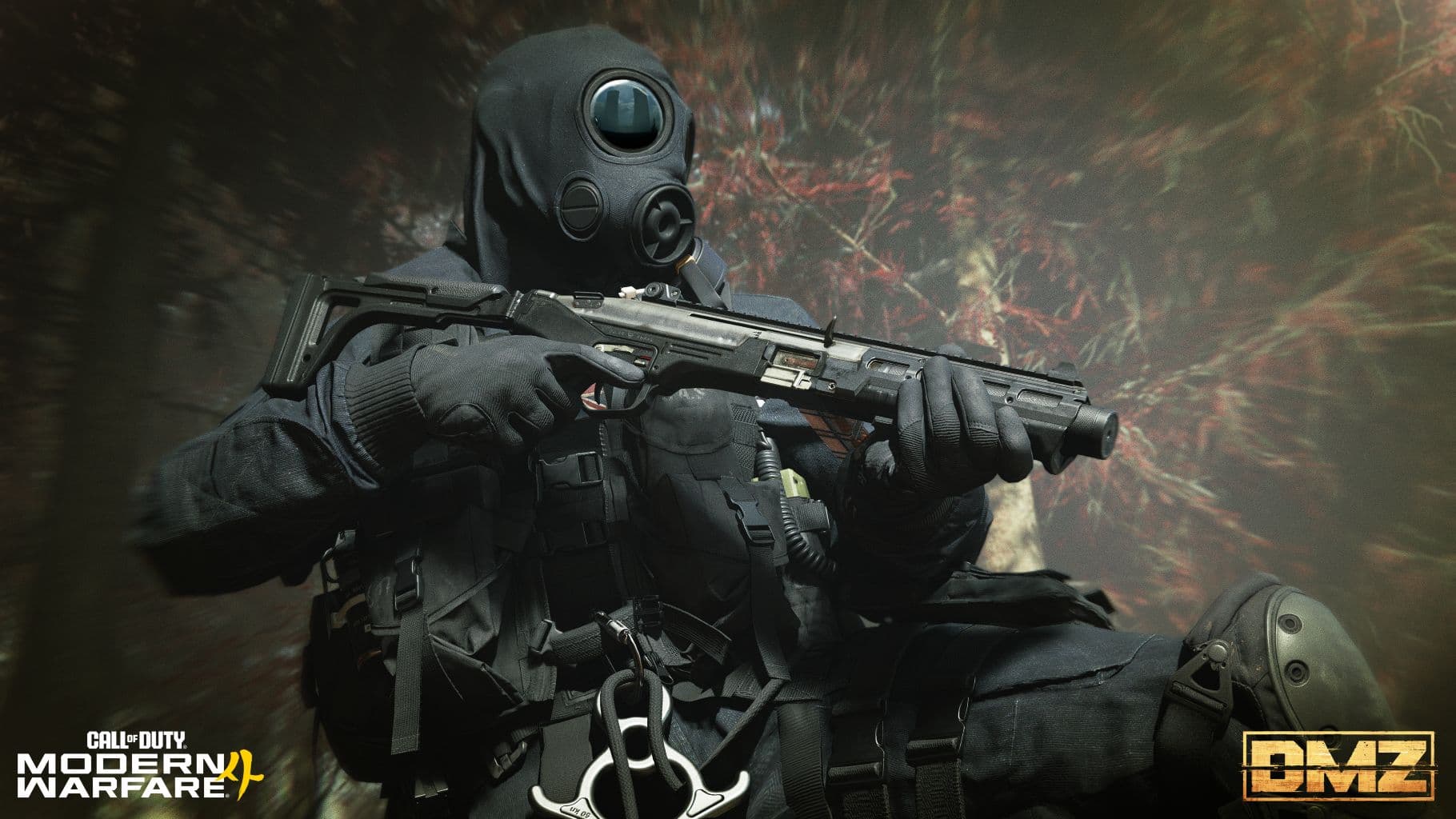
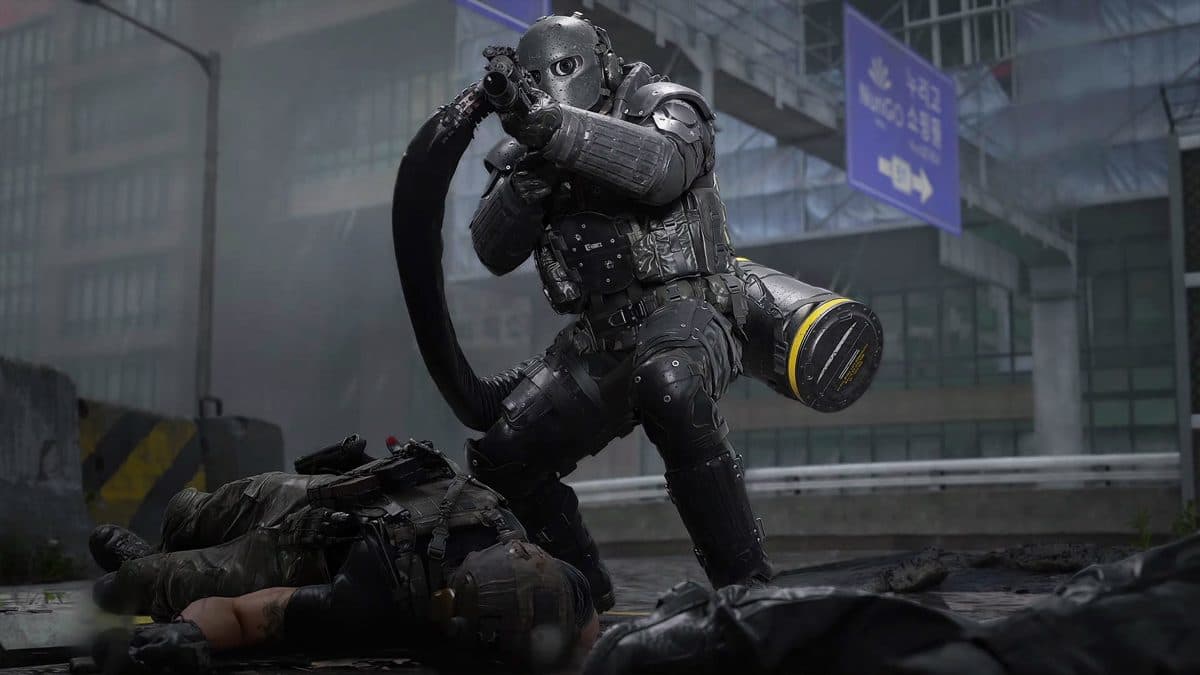
The new MIA rescue system is the kind of DMZ tax that immediately changes how you think about a bad run. In Modern Warfare 4’s version of the mode, a dead operator does not simply vanish into the void, because you can spend in-game cash earned in Hajin to bring them back. The catch is the part that matters most: the higher that operator’s level, the more expensive the recovery gets.
That is a very specific kind of punishment, and it tells you a lot about what Infinity Ward seems to want from this mode. DMZ still looks every bit like an extraction shooter that can wipe out your gear and leave you empty-handed, but now the loss does not always end at the exfil screen. Instead, it becomes a decision about whether your favorite operator is worth the fee, or whether you should swallow the loss and start rebuilding from scratch.
How the MIA recovery economy works
At its simplest, the system turns death into a bill. If an operator goes down, the game gives you a path to recover them using the money you have banked from your time in Hajin, and that cost rises as the operator levels up. That scaling is the part that keeps it interesting, because it stops recovery from being a universal safety net and makes it feel like you are paying for history, not just convenience.
That is a smarter move than a flat revive tax would be. A low-level operator is easier to reclaim, while a high-level one becomes a real financial commitment, which means the game is still asking you to protect your investment. In practical terms, it makes every extraction, every successful contract, and every pile of cash matter even after the match is over.
Who actually benefits from this
This system is going to help some players a lot more than others. Cautious looters will probably like it most, because they are the ones most likely to extract with cash on hand and treat a dead operator like a recoverable setback instead of a catastrophe. High-skill squads should also get real value here, especially if they keep a favorite operator alive through most runs and only need the rescue system when one unlucky fight goes sideways.
If you are sitting on stockpiled cash, the mechanic feels generous. If you are broke, it is just another layer of pain, because the mode is still built around scarcity and risk. That is the real tradeoff here: the system softens the sting of death, but it does not erase the economy pressure that defines extraction play.
Hajin is built for this kind of pressure
The bigger reason this works is the setting. Activision says DMZ takes place in the Hajin exclusion zone and is tied directly to the events of the Modern Warfare 4 campaign, so the mode is not being treated like an offshoot with loose connections to the main game. It is being positioned as part of the same story ecosystem, with Story Missions, Dynamic Operations, player-driven encounters, and match-to-match progression all feeding into a persistent combat world.
That matters because it changes how the recovery system feels. In a mode built around a living battlefield, unpredictable enemy encounters, weather, and shifting objectives, a dead operator is not just a lost avatar. It is a disruption to a broader progression loop, and the new MIA mechanic gives that loop a way to keep going without making failure irrelevant.
This is DMZ evolving, not starting over
Modern Warfare 4’s version of DMZ is not coming out of nowhere. DMZ first showed up in Modern Warfare II and Warzone 2.0 as a free-to-play beta-style extraction mode, and over time Call of Duty kept layering in ways to preserve value between runs. Barter, Workbench, Active Duty Operator Slots, and the Forward Operating Base all pushed the mode further toward long-term planning instead of pure throwaway raids.
The new recovery economy fits that same pattern. It keeps the mode’s pain intact, but it makes the consequences more strategic by turning death into something you can potentially solve with resources. That is a meaningful shift for a mode that has always lived or died on whether players felt their time, gear, and progress still mattered after the helicopter left.
What this means for Modern Warfare 4’s launch
This is not a midseason experiment tucked into some future update, either. Modern Warfare 4 is set to launch on Friday, October 23, 2026, on PlayStation 5, Xbox Series X|S, PC, and Nintendo Switch 2, which means this recovery system is part of the first impression. For a mode like DMZ, that is a strong statement about where Infinity Ward wants the experience to land on day one.
And that first impression is pretty clear: DMZ is still supposed to be punishing, but now the punishment comes with more control. You may still lose the fight, but if you have the cash, you do not necessarily lose the operator forever. That is the difference between a hard reset and a managed setback, and for a lot of players, that is exactly the kind of economy-shaping pressure DMZ needed.
This article was produced by Prism’s automated news system from verified source data, official records, and press releases, then run through automated quality and moderation checks before publishing. The system is built and supervised by the people who set the standards it runs under. Read our full AI policy.
Know something we missed? Have a correction or additional information?
Submit a Tip