Parasite urges Activision to add Riot-style anti-cheat protections
Parasite wants Activision to harden PC play with Riot-style IOMMU protections after Vanguard moved against DMA cheat hardware.
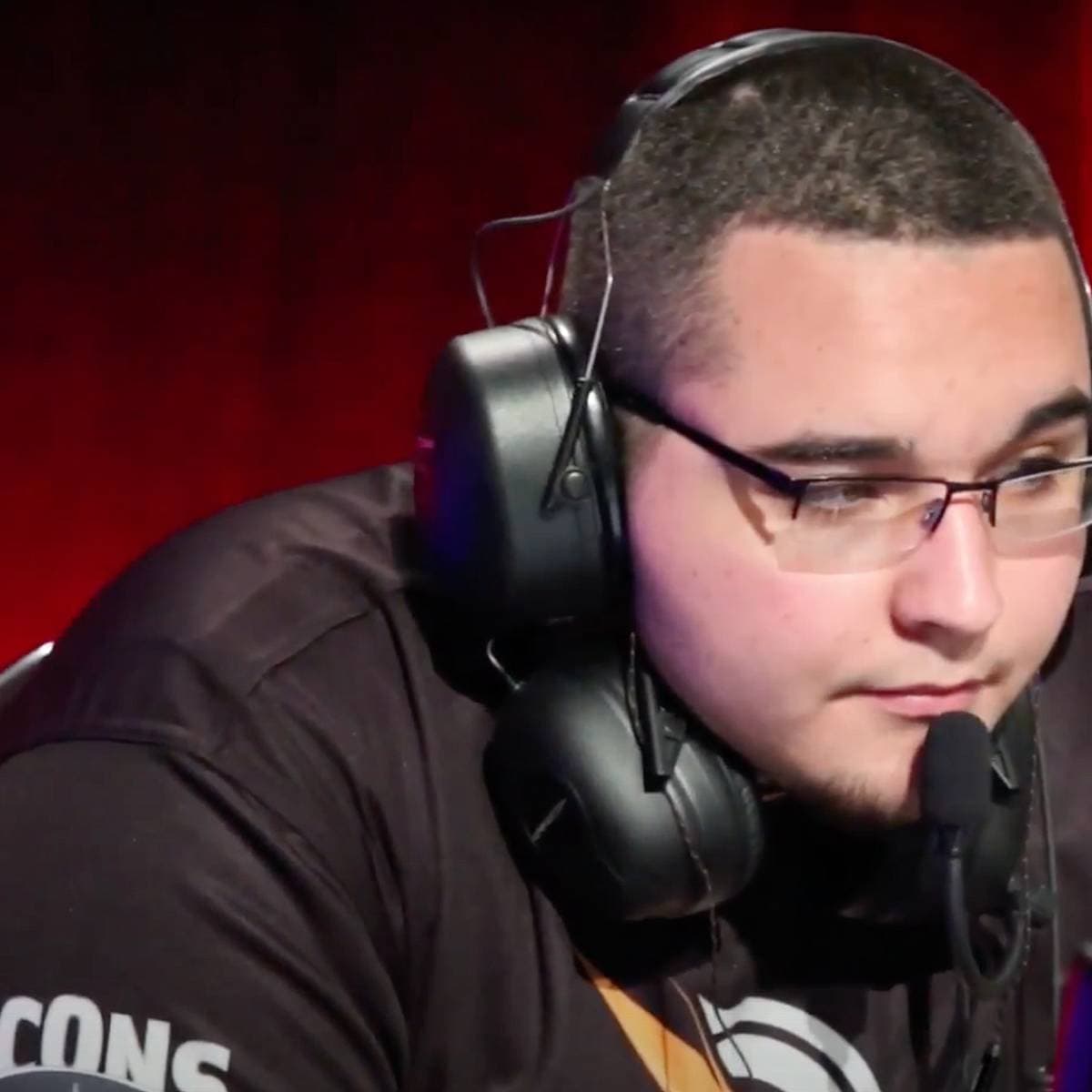
Christopher “Parasite” Duarte wants Activision and Treyarch to go a step further on PC anti-cheat, after Riot Games used its latest Vanguard update to enforce IOMMU protections against DMA-based cheat hardware. The move matters because DMA cheats can use external hardware, often a PCIe card and a second PC, to read game memory directly instead of relying on software running on the gaming rig.
Riot framed the change as a hardware-level answer to a problem software-only anti-cheat has struggled to contain. IOMMU, short for input-output memory management unit, helps stop devices from reaching protected memory they should not touch. Riot also said the update would not damage or permanently disable normal PCs, which is the line legitimate players care about most when a security feature reaches down into firmware and device access.
Call of Duty already has a deeper PC security stack than it did a year ago. RICOCHET Anti-Cheat now covers Black Ops 6, Black Ops 7, and Warzone, and Activision has added TPM 2.0 and Secure Boot requirements in recent updates. Team RICOCHET also says its PC kernel-level driver monitors software that interacts with protected Call of Duty titles, while its cloud-based attestation checks security settings through remote servers. In Season 02, Activision said it was introducing detections aimed at illicit devices and the accounts that use them.
The company has also leaned on enforcement numbers to show the crackdown is real. In December 2025, Activision said RICOCHET anti-cheat had shut down more than 50 cheat providers and disrupted nearly 300 reseller operations over the prior year. That backdrop is why Parasite’s call landed with so much weight inside the CoD scene. Duarte is not just another voice on social media; he is a retired American Call of Duty World Champion, and when he pushes for hardware-level protections, players listen.
The pressure on Activision is obvious. DMA cheats are exactly the kind of problem that makes kernel-level monitoring feel incomplete on its own, and Riot’s IOMMU push has raised the bar for what a serious PC anti-cheat can look like. If Activision keeps tightening RICOCHET, the next fight will not be about whether PC security matters. It will be about how far Call of Duty is willing to go to keep cheaters from loading memory from the outside.
This article was produced by Prism’s automated news system from verified source data, official records, and press releases, then run through automated quality and moderation checks before publishing. The system is built and supervised by the people who set the standards it runs under. Read our full AI policy.
Know something we missed? Have a correction or additional information?
Submit a Tip