Warzone ranked play gets clearer SR tracking in Season 4 update
Season 4 makes every bad rotate louder, but it also shows exactly where your SR moved, turning Fortune’s Keep into a much cleaner climb.
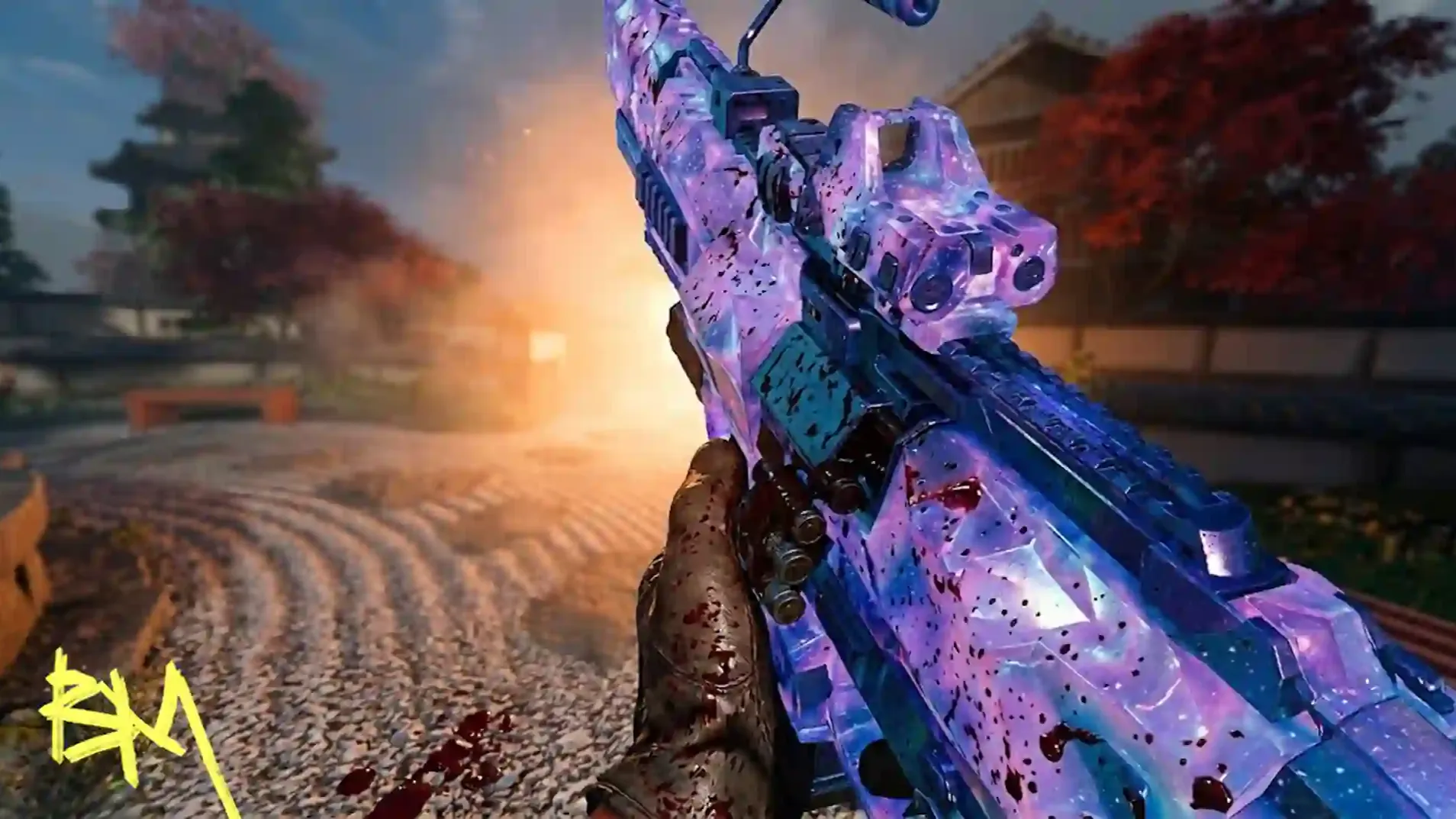
The biggest change in Warzone Ranked Play this season is not just the map rotation. It is the fact that SR finally feels legible, which means bad pushes, sloppy timing, and dead-end rotations are harder to blame on mystery math. If you are climbing in Season 4, the game is telling you more clearly where your points came from and where they went.
Season 4’s ranked structure is built around trios
Warzone Ranked Play: Resurgence is still a Trios-only playlist, and that matters more than people give it credit for. This is not the place for loose solo heroics or a quad stack trying to brute-force every rooftop fight. The mode expects three players to move, trade, and survive together, and the structure of the playlist rewards that discipline far more than raw kill-chasing.
That triad focus also changes how you read every engagement. In standard battle royale, you can sometimes recover from bad spacing with patience and map size. In ranked Resurgence, the margin is tighter, so synchronized fights and clean comms carry more weight than individual highlight reels. If your squad is not resetting together, you are donating SR.
The map pool is what shapes the climb
Season 4’s rotation includes Rebirth Island, Fortune’s Keep, and Haven’s Hollow, with Fortune’s Keep Refresh positioned as the headline map. That lineup changes how the season plays because each map pushes a different kind of ranked decision-making. Rebirth keeps the tempo sharp, Fortune’s Keep rewards smart layering and controlled movement, and Haven’s Hollow adds another environment where positioning can decide whether a fight is worth taking at all.
Fortune’s Keep Refresh is the big one here because it becomes the map that frames the season’s competitive identity. If you are trying to build SR efficiently, you need to know which map gives you the cleanest path to safe placement and which one tempts you into unnecessary fights. The strongest squads will treat the rotation as a planning problem, not just a playlist setting.
SR is clearer now, and that changes how you learn
The most useful quality-of-life change in Season 4 is the more transparent SR system. Instead of guessing which invisible factor moved your rating, you can see more clearly what actually drove the result after a match. That sounds small until you have spent enough time in ranked to know how frustrating it is to walk away from a game with no real read on why you gained or lost points.
This matters because clarity changes habits. When SR is easier to trace, improvement stops being a vague feeling and starts becoming a repeatable process. If a bad push costs you rating, you see it. If a late rotation buried your placement, you feel it in the result instead of in a shrug. For grinders, that makes the climb more accountable; for more casual competitors, it makes the mode less punishing to study.
What actually drives progress in Season 4
The guide’s most important point is that rank progression is tied to both placement and eliminations, not just one or the other. That means you are still rewarded for winning fights, but not in a way that excuses reckless timing. You can chase skill division rewards, elimination-based rewards, and first-win or placement rewards, but the game is set up to value the full ranked picture, not just your kill count.
That is where a lot of players waste SR. They play for ego fights early, then get punished by poor map control, or they survive too long without meaningful placement pressure and never turn the match into real progress. The better approach is simple: treat eliminations as fuel, not the whole fire. Secure the fight, keep the squad alive, and only take the next engagement if it moves you toward a better endgame position.
A few habits matter more than any flashy loadout trick:
- Rotate early enough to hold space, not just arrive there
- Take fights when your squad can trade immediately
- Stay close enough to reset, but not so close that one grenade wipes all three
- Stop chasing isolated downed players if it breaks your positioning
- Play the circle like a resource, because in ranked it is one
The ruleset forces more disciplined squad play
Activision’s ranked documentation confirms that Warzone Ranked Play: Resurgence uses Black Ops 7 weapons with specific perk and attachment restrictions. That matters because it narrows the sandbox and keeps the mode focused on execution rather than letting every team lean on whatever broken combination happens to be available elsewhere.
In practice, that means your squad needs to think harder about positioning, rotation timing, and team survival than it would in standard battle royale. The restrictions reduce the value of random gunfights won by loadout novelty and increase the value of coordinated pushes. If your trio is used to improvising around a massive inventory of weapons and perks, ranked will force you into cleaner fundamentals fast.
Why the rewards pressure feels so strong
The reward structure is part of what makes this season’s ranked grind feel sharper. Skill division rewards, elimination-based rewards, and first-win or placement rewards all keep giving you a reason to care about the next lobby, but those cosmetics are seasonal and will disappear when Season 5 arrives. That creates a familiar ranked tension: the rewards are limited, so every match matters a little more than it should.
That pressure is exactly why the clearer SR tracking is such a good change. It takes some of the guesswork out of the climb and makes the ranked loop feel fairer. You still have to earn every point the hard way, but now the game is better at showing you whether Fortune’s Keep, your rotations, or your own overconfidence is the thing slowing you down. In a season built around tighter rules and cleaner readouts, the smartest climb is the one where your SR finally tells the truth.
This article was produced by Prism’s automated news system from verified source data, official records, and press releases, then run through automated quality and moderation checks before publishing. The system is built and supervised by the people who set the standards it runs under. Read our full AI policy.
Know something we missed? Have a correction or additional information?
Submit a Tip