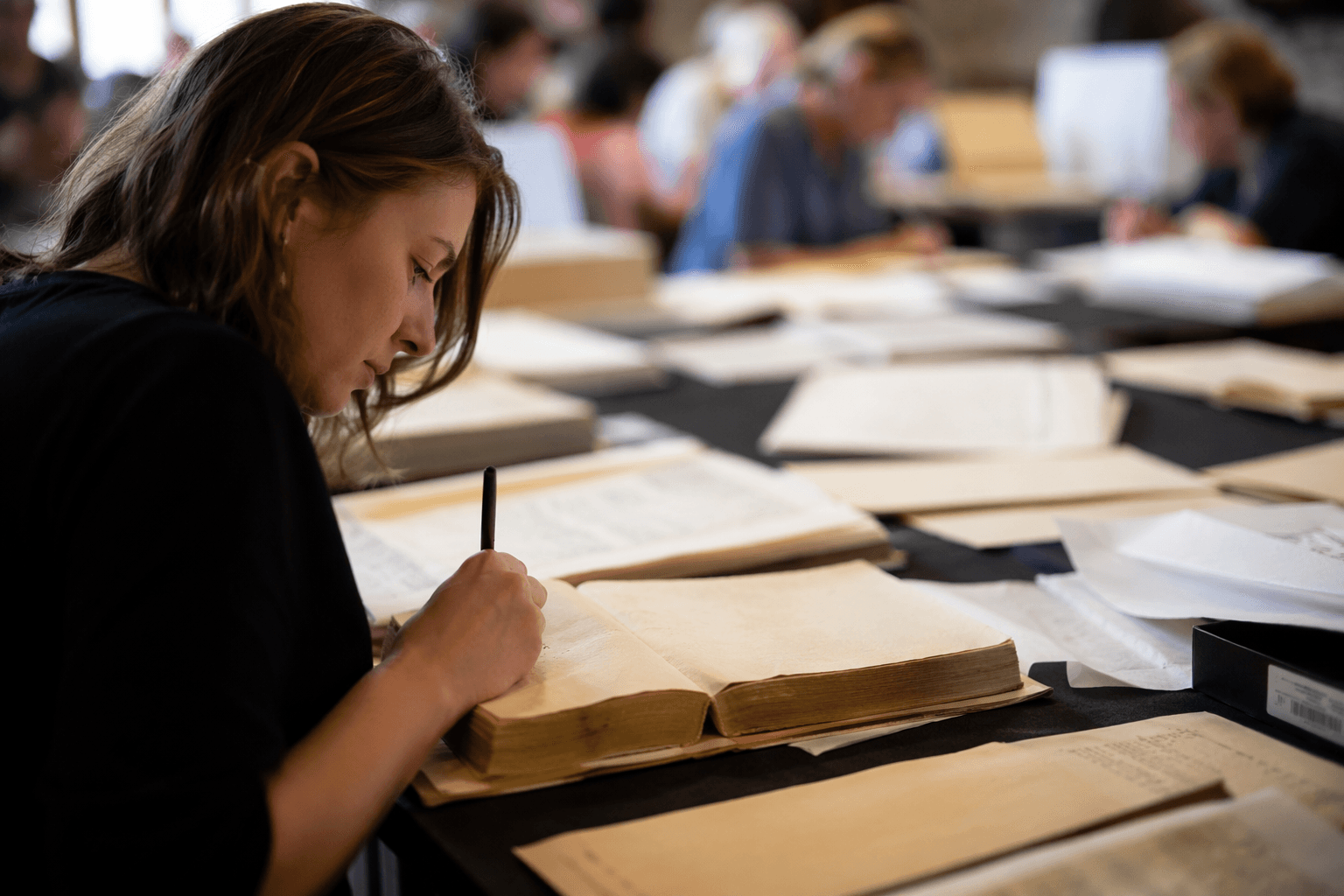
Hebei seminar explores new methods in calligraphy historiography
Hebei Academy gathered 16 named opening guests, 3 forums and 10 keynote talks to challenge documentary-only methods and push calligraphy historiography toward art history.
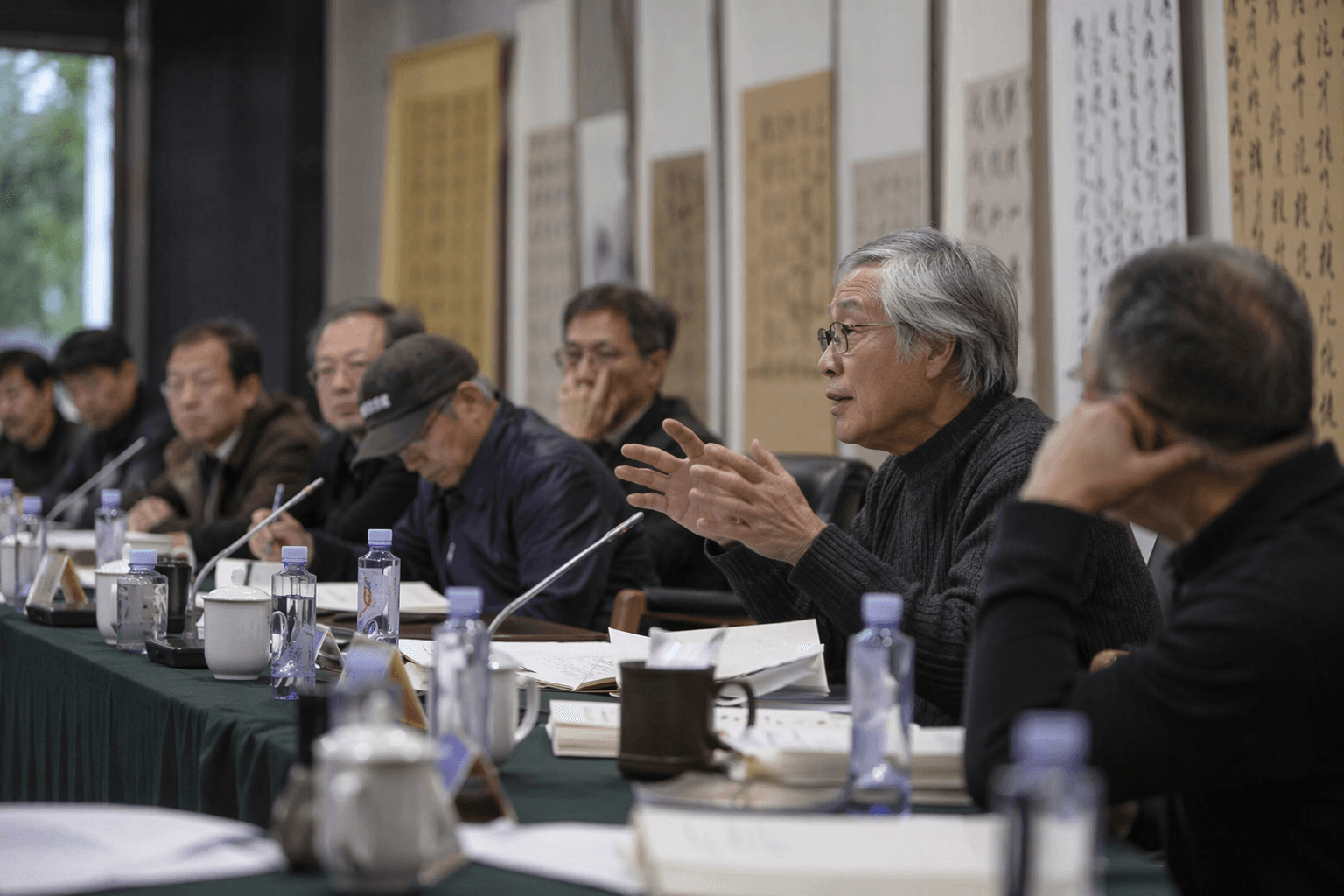
Hebei Academy of Fine Arts brought the National Calligraphy Historiography Methodology Academic Discussion Meeting to its campus on June 27, giving calligraphy history a full working session with an opening ceremony, three parallel forums and a closing round of keynote talks from ten senior experts. It came one day after the academy opened Tracing the Qin and Han Dynasties: A National Invitation Exhibition of Calligraphy Masters, a 43-calligrapher show with more than 80 works, which set the tone for a two-day conversation about source study, style and standards.
The opening ceremony gathered Liu Zongchao, Wang Weilin, Wang Yongjiang, Li Tinghua, Lü Jinguang, Zhu Youzhou, Li Zhenggeng, Qiu Xinqiao, Yang Yong, Sun Jiage, Fan Guoxin, Zhu Zhongyuan, Sun Chao, Li Hui, Zhen Zhongyi and Jiang Shoutian, with Hou Dongju as host. Hebei Academy later published its report on June 30. The call for papers, issued in December 2025 and open until March 31, 2026, had already set the agenda: promote the modern transition of calligraphy historiography, publish a collected volume, and ask whether the field should stay centered on documentary verification or move toward a more theory-driven art-history framework.
That question shaped the three forums, titled The Influence and Reflection of Calligraphy Aesthetics and Theoretical Enlightenment on Contemporary Calligraphy Studies, The Gains and Losses of Qianjia Philology and Reflection on Contemporary Calligraphy History Research Methods, and Classical Calligraphy-History Concepts and the Construction of a Critical Theory System. Inside those sessions, scholars debated cross-disciplinary evidence, the limits of older verification methods, the study of ancient regional calligraphic styles, digital humanities tools, and the relationship between calligraphy history, textual criticism and epigraphic studies. For anyone weighing a stele rubbing against a copied model, that mix matters because attribution now depends on more than one layer of proof.
The academy also tied the seminar to classroom work. Leaders said the findings would feed into teaching and talent cultivation at Hebei Academy of Fine Arts, where the calligraphy program is being shaped to combine traditional practice with modern scholarship. The exhibition beside the seminar reinforced that message: source studies and studio practice were being placed in the same frame, not treated as separate tracks.
By the end of the keynote round, the old choice between evidence and interpretation looked less useful than a wider method that can read brushwork, inscriptions and historical context together. That is the standard Hebei put on the table in front of the calligraphy field.
This article was produced by Prism’s automated news system from verified source data, official records, and press releases, then run through automated quality and moderation checks before publishing. The system is built and supervised by the people who set the standards it runs under. Read our full AI policy.
Did this article answer your question?