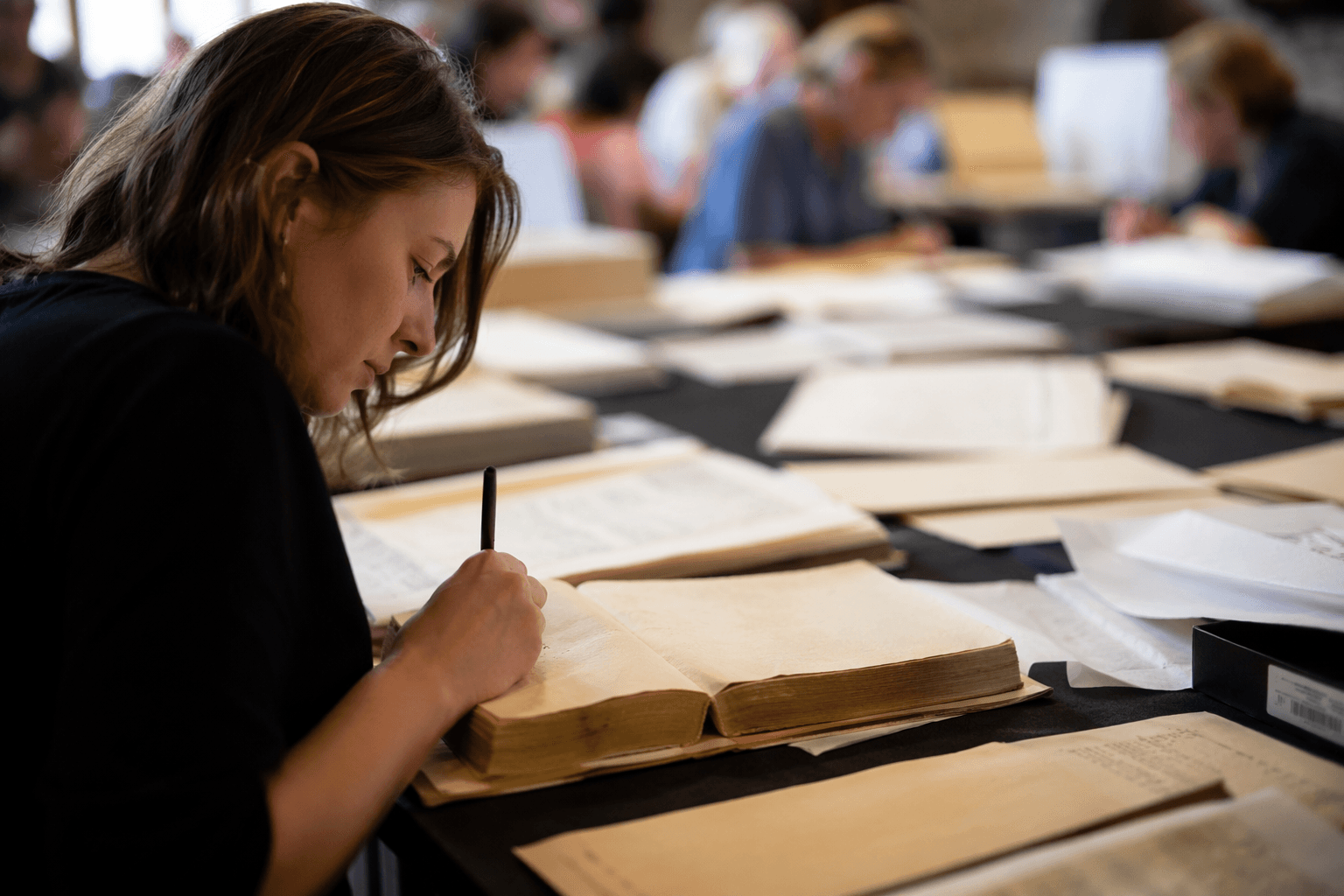
Indian Museum opens Brāhmī calligraphy exhibition in Kolkata
Ancient Brāhmī inscriptions met 26 modern calligraphic works in Kolkata, giving hobby calligraphers a close look at the script behind South Asia’s letterforms.
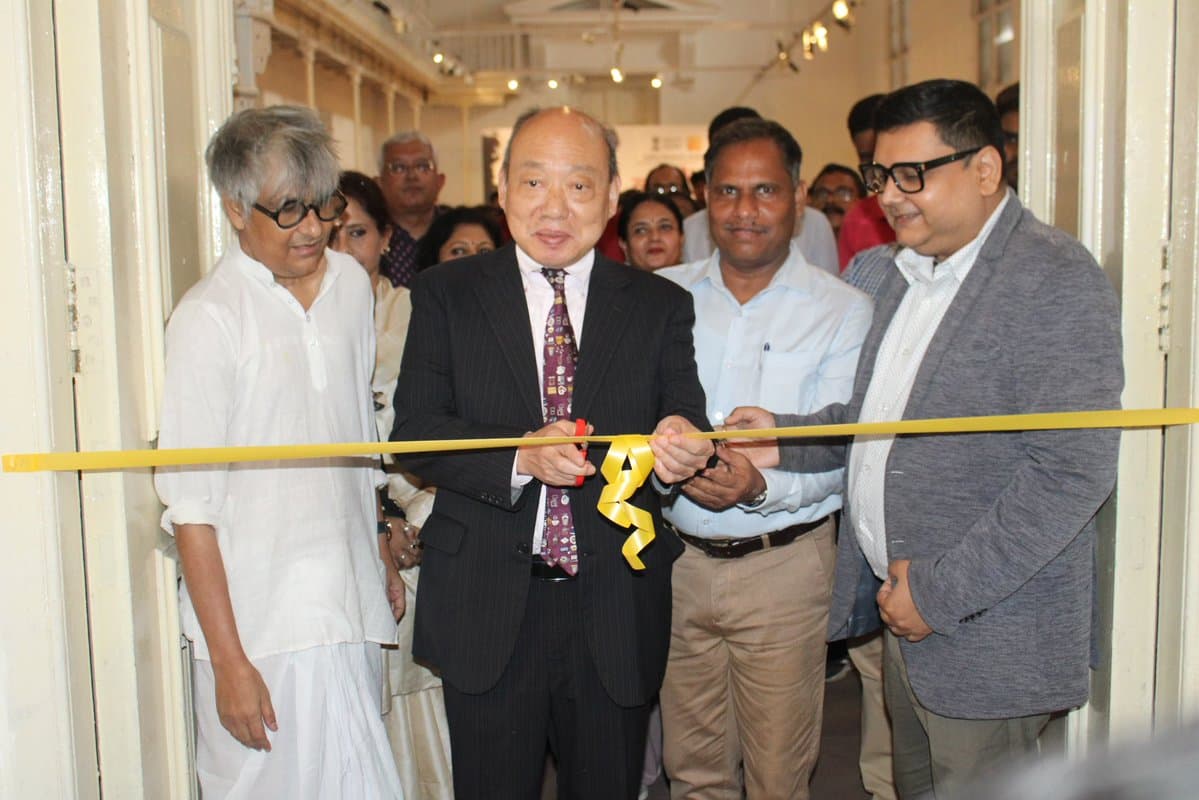
At the Indian Museum in Kolkata, Brāhmī moved off the inscription stone and onto the calligrapher’s page. Mā Lipi: Virtues of Bharat in Brāhmī Calligraphy opened on June 17 with ancient artefacts and 26 contemporary works side by side, giving visitors a direct look at how one of South Asia’s earliest scripts can still drive modern practice.
Ishikawa Yoshihisa, the Consul General of Japan in Kolkata, inaugurated the exhibition, while Anirban Dash, director of the National Mission for Manuscripts and project director of the Gyan Bharatam Mission, formally introduced it. The show was built around Brāhmī, described as the oldest script in South Asia and the oldest deciphered script of the Indian subcontinent, and the museum used a Brāhmī Calligraphy Wall to pull visitors into the forms themselves rather than leaving the script behind glass.
Nilanjan Bandyopadhyay curated and created the calligraphic series, which took its cue from Japanese calligraphy, or Shodō. His 26 works were tied to the 26 Daivī Sampadā, the divine virtues described in the 16th chapter of the Bhagavad Gītā, turning the script into a visual study of rhythm, balance and stroke structure. For calligraphers, that pairing made the exhibition especially practical: the old letters were not presented as a dead alphabet, but as a living framework for proportion, gesture and line.
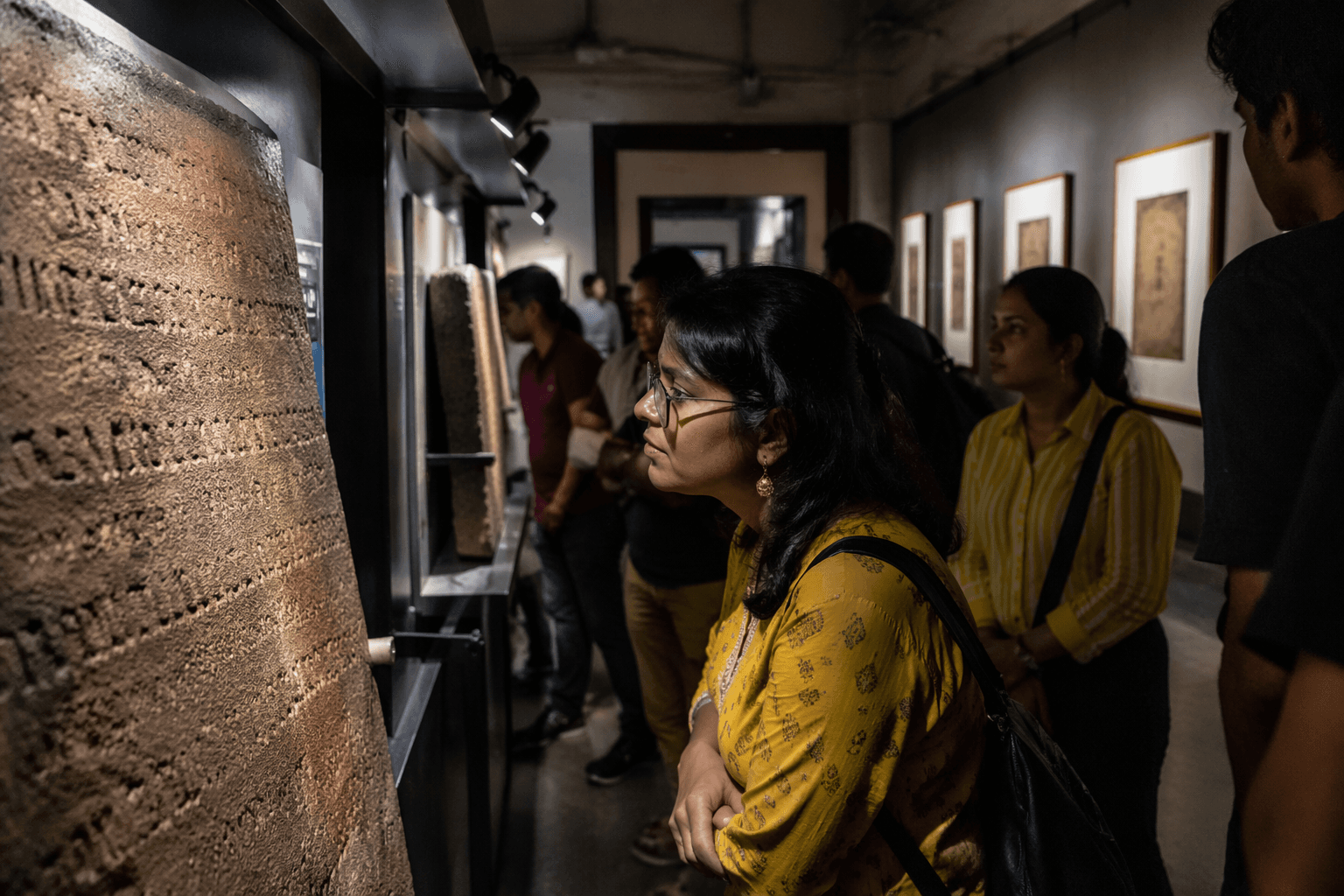
The museum matched those contemporary pieces with material from its own holdings, including the Mahasthangarh Plaque inscription from the Mauryan period, the Eran Stone Inscription of Samudragupta, the Kosam inscription of the Kalachuri ruler Maharaja Vaisravana, and Bharhut medallions depicting the Chhadantiya Jataka and Bodhi Tree worship. The contrast showed how Brāhmī sits at the root of many South Asian writing systems, while also linking the exhibition to the government’s “Vikas Bhi, Virasat Bhi” theme, development paired with heritage preservation.
Founded in 1814, the Indian Museum describes itself as the oldest and largest museum in Asia, with a collection of more than 100,000 works of art and design. The exhibition ran through June 26, open daily from 11 a.m. to 5 p.m. except Mondays, and the Consulate-General of Japan in Kolkata said it also offered a chance to reflect on Japan-India cultural ties stretching from ancient times to the present. In that room, the script’s oldest forms did exactly what the best calligraphy does: they made history feel like a set of strokes you could still learn from.
This article was produced by Prism’s automated news system from verified source data, official records, and press releases, then run through automated quality and moderation checks before publishing. The system is built and supervised by the people who set the standards it runs under. Read our full AI policy.
Did this article answer your question?