Lettering Daily maps a structured path for beginner calligraphers
Lettering Daily turns calligraphy into a clear first-month plan, with style choices, starter tools, and drills that keep beginners from wandering. The hub also shows exactly where outside feedback still matters.
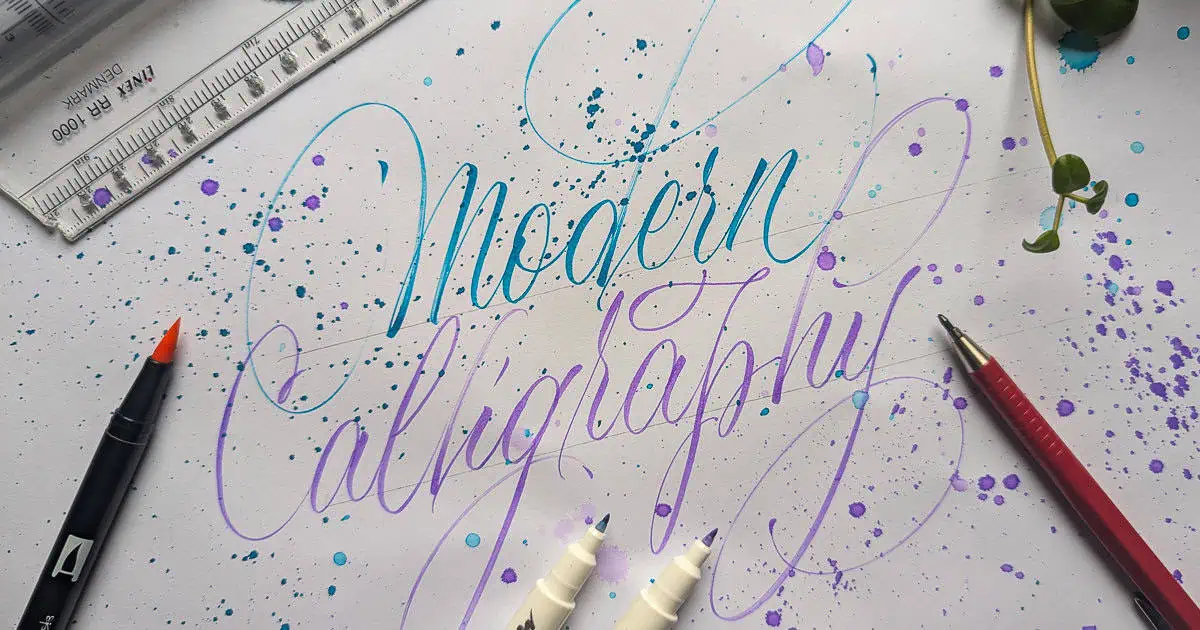
The first lesson in Lettering Daily’s Calligraphy Learning Hub is not a pen choice or a flourish. It is the distinction between calligraphy and hand lettering, and the hub builds the first month around that choice with basics, tools, style choices, and repeatable practice across 50+ tutorials and free practice sheets.
Start with the difference that shapes everything
Lettering Daily defines calligraphy as writing with controlled strokes, while hand lettering is drawing or constructing letters, and that distinction sets the whole learning path. Britannica defines calligraphy as the art of beautiful handwriting and traces a sharper split between handwriting and calligraphy in Europe after printing arrived in the mid-15th century, when more elaborate scripts took on a separate identity.
Beginner decisions depend on that choice. If the goal is controlled written forms, the tool, stroke, and spacing choices are one thing. If the goal is constructed letterforms, the learning sequence changes. The hub keeps that choice visible from the start before learners buy supplies or copy a style they have not yet learned to control.
The first 30 days: a usable path, not a scavenger hunt
Lettering Daily’s beginner guide reduces the process to three steps: pick a style, choose the right pen, and follow a structured practice plan. That structure gives the first 30 days a clear shape.
Days 1-7: choose one lane and learn the map
The first week is for orientation. The hub points beginners toward core terminology, basic skills, and the difference between multiple styles, because different scripts require different pens, strokes, and techniques. The guide tells beginners to commit to one style first rather than trying to learn several at once. That single decision prevents the common beginner trap of mixing Copperplate drills with brush lettering experiments and then wondering why nothing feels consistent.
This is also the week to use the hub’s beginner resources as a map. The site’s sections on how to learn calligraphy, common beginner mistakes, and practice planning are built to help learners understand what a session should look like before they start making marks. The goal is not perfect writing yet. The goal is to know what you are practicing and why.
Days 8-14: match the pen to the style
The second week is where the tool guidance becomes practical. Lettering Daily breaks beginner calligraphy into three tool branches: broad-edge, pointed-nib, and brush lettering. Its starter recommendations include a Pilot Parallel Pen for broad-edge work, a holder plus pointed nib for pointed-pen calligraphy, and brush pens such as the Tombow Dual Brush Pen for brush lettering.
A broad-edge pen teaches a different stroke logic than a pointed nib, and a brush pen asks for yet another touch. The hub’s “best calligraphy pens” guidance makes the same point: the best pen depends on the style already chosen.
Days 15-21: drill the basic strokes
By the third week, the hub pushes learners into the part most beginners skip: stroke work. Lettering Daily says the basic calligraphy strokes are the best way to learn calligraphy as a beginner, and its practice content describes those strokes as the DNA of modern calligraphy. The lesson is to slow down and use free worksheets instead of rushing into full alphabets.
The hub’s freebie library extends that drill work with practice sheets for modern brush, Fraktur, faux calligraphy, flourishing drills, and pointed pen. That range is useful, but the lesson is still the same: repeat the basic strokes until the hand learns rhythm, pressure, and direction. Even without full words, a beginner can see steadier entry strokes, cleaner upstrokes, and more consistent spacing from one page to the next.
Days 22-30: move into one script and review the weak spots
The final week is for applying the strokes inside one chosen style. If you began with Copperplate, this is when you lean into the script’s late 17th-century roots as English Round Hand and keep your practice tied to that form. If you chose Blackletter, the hub’s description of it as a rigid, grid-based script with Textura Quadrata roots gives the work a different feel and structure. Either way, the month ends with real letterforms, not just isolated drills.
This is also the point where the hub’s practice planning content becomes important. Beginners can use the free sheets, then compare their pages against the style they selected. The aim is not a gallery piece. It is a first pass at consistency: matching stroke width, keeping slant under control, and recognizing where the hand still breaks down.
Tools, styles, and the history behind them
The hub’s style map is broad enough to show that calligraphy is not one look. It covers Copperplate, Blackletter, Italic, the Foundational Hand, Fraktur, modern calligraphy, faux calligraphy, brush calligraphy, pencil calligraphy, and Crayola-marker lettering. That range helps beginners see the family tree instead of mistaking one trending style for the whole craft.
Historical context adds weight to those choices. The Washington Calligraphers Guild traces Gutenberg’s blackletter types and early Venetian roman typefaces to broad-edged pen calligraphy and credits Edward Johnston and Rudolf Koch with helping revive broad-edged techniques in the late 19th century. The tools in the hub are tied to traditions that shaped how letters were formed in Europe, including England, Germany, and Venice.
Where the hub helps, and where outside practice still matters
Lettering Daily is strong on structure, but it does not replace the human eye. The site gives beginners books, classes, beginner-mistake guidance, and practice-planning resources, which makes it a solid starting point for independent study. The hub is for beginners through advanced learners and includes 50+ tutorials and free practice sheets.
Still, a few gaps remain that only outside feedback can fill. Stroke consistency, spacing, and slant are hard to judge alone, especially once a learner moves beyond worksheets into finished words. A class, mentor, critique group, or even a skilled friend can catch habits that a beginner misses on the page.
Lettering Daily uses Amazon links through an affiliate program and earns from qualifying purchases. The disclosure explains why the site is so specific about starter tools and supply choices.
This article was produced by Prism’s automated news system from verified source data, official records, and press releases, then run through automated quality and moderation checks before publishing. The system is built and supervised by the people who set the standards it runs under. Read our full AI policy.
Did this article answer your question?