Australian Catamaran Seized on Tweed River in Alleged Cocaine Smuggling Bust
About 200 kilograms of cocaine and $100,000 in cash were allegedly found aboard a catamaran on the Tweed River, jolting ordinary multihull owners and marinas.
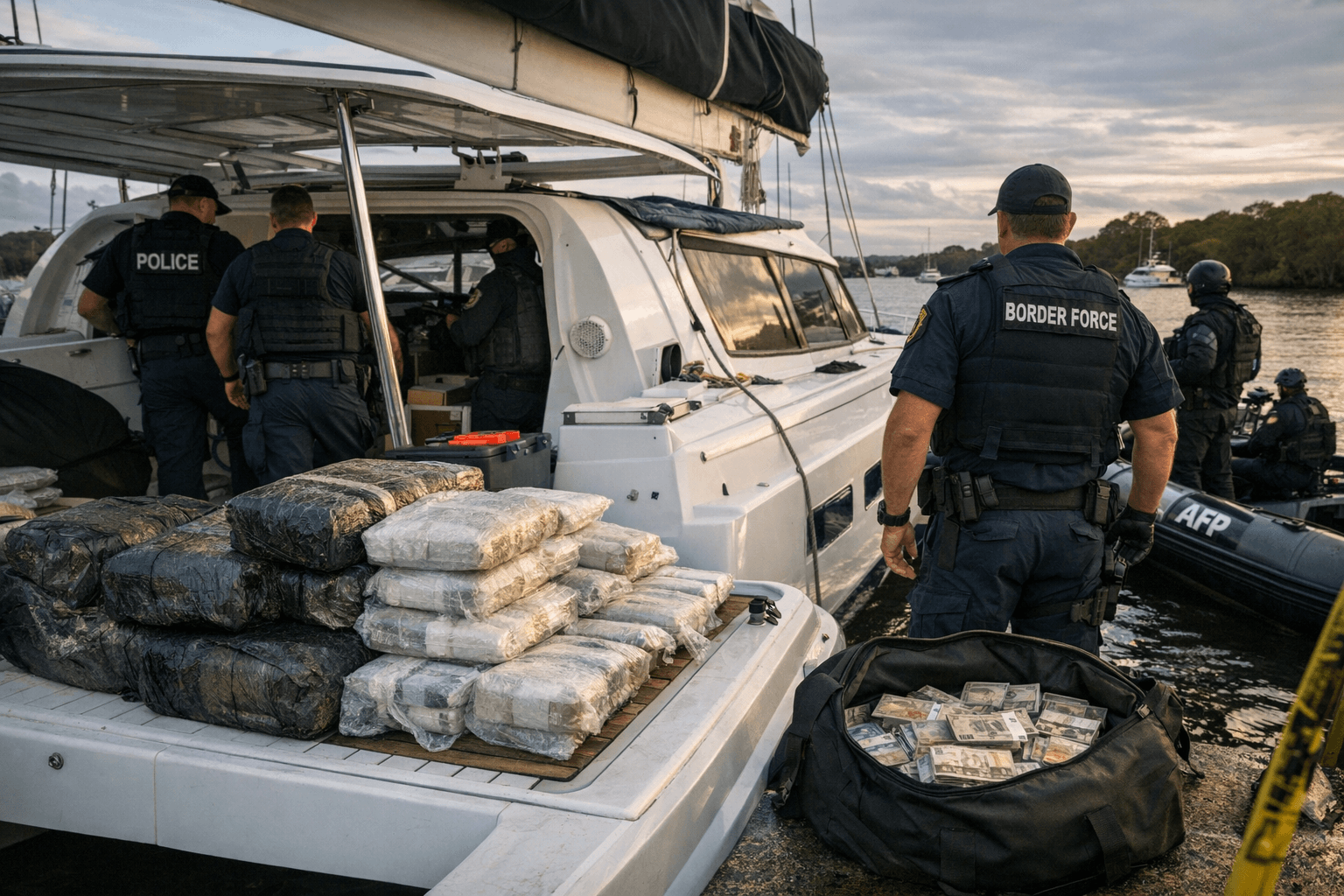
About 200 kilograms of cocaine, packed into black duffel bags, was allegedly found aboard a catamaran on the Tweed River, along with roughly $100,000 in cash. What looked like a routine coastal run near the Queensland-NSW border became a major maritime drug case the moment NSW Police Force Marine Area Command intercepted the vessel and towed it to a secure location for forensic examination.
The Australian Federal Police said the catamaran had left the Tweed River on Tuesday, April 14, 2026, headed north and switched off its transponder before allegedly collecting drugs at sea. Authorities said the transponder was turned back on before the boat returned toward the coast and re-entered the Tweed River, where it was intercepted. The operation involved the Joint Gold Coast organised crime taskforce, reflecting how closely border and marine units are now working the eastern waterways.
A Tweed Heads man, 41, identified in the court process as Craig Lembke, was charged over the alleged importation. He faced the NSW Bail Division Court on Friday, April 17, 2026, on one count of importing a commercial quantity of a border-controlled drug, an offence that carries a maximum penalty of life imprisonment. He was refused bail and is due to reappear in Tweed Heads Local Court on June 12, 2026.
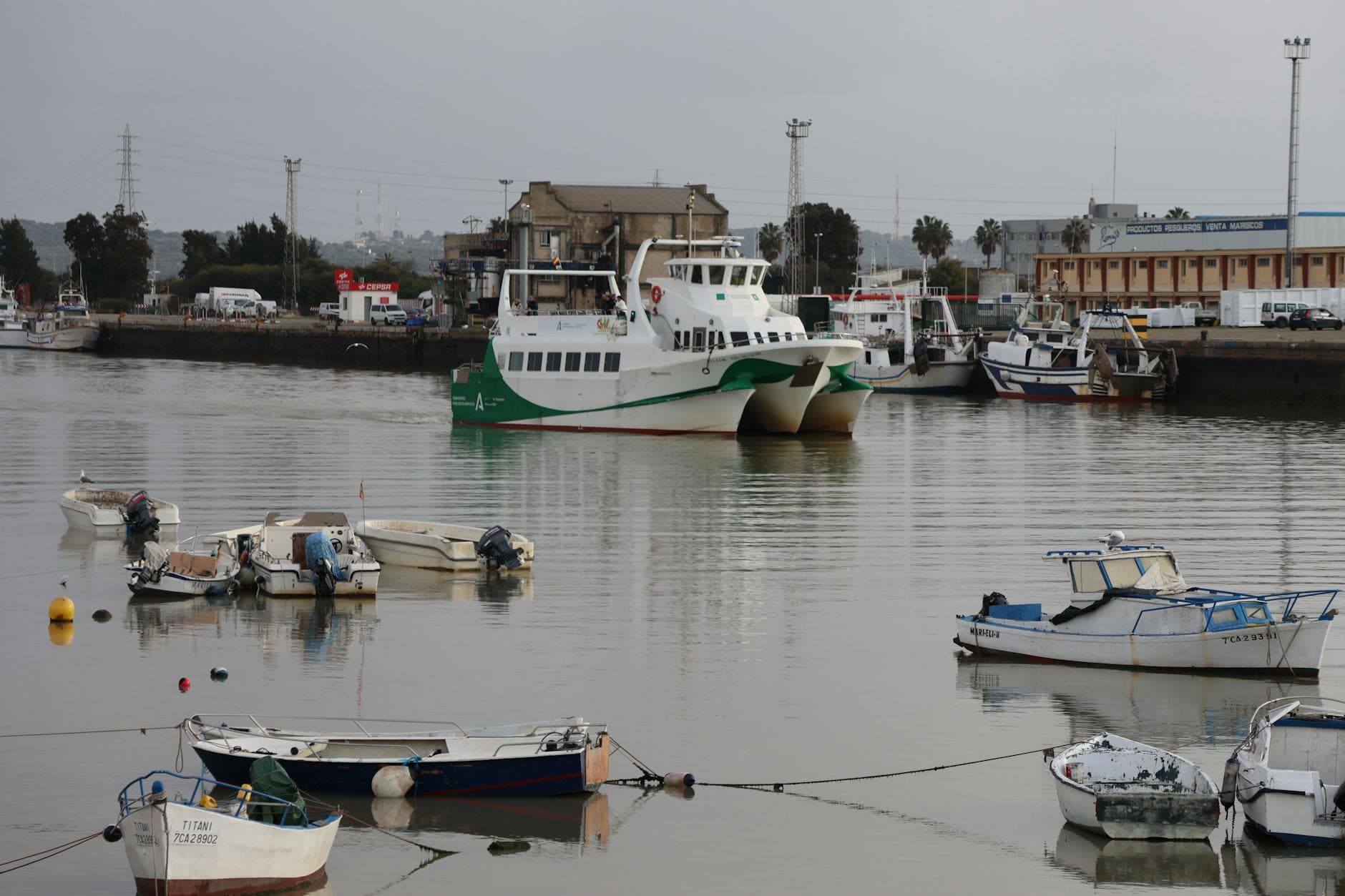
For catamaran owners, brokers and marina operators, the case lands in an awkward place between fascination and fallout. Multihulls are prized for their stability, shallow-water access and generous deck and storage volume, the same traits that make them attractive for cruising, charter work and coastal passages. In the wrong hands, those advantages can also make a catamaran a useful transport platform, which is why interdiction teams keep such a close watch on river mouths, anchorages and border crossings.
The Tweed River seizure also echoes a long line of Australian cocaine cases involving boats, including a 2017 NSW catamaran case involving 700 kilograms of cocaine. That history has kept marine surveillance high on the enforcement agenda, and this latest bust is likely to sharpen attention again on vessel movements, transponder use and the compliance burden carried by legitimate skippers moving through busy coastal corridors.
Know something we missed? Have a correction or additional information?
Submit a Tip