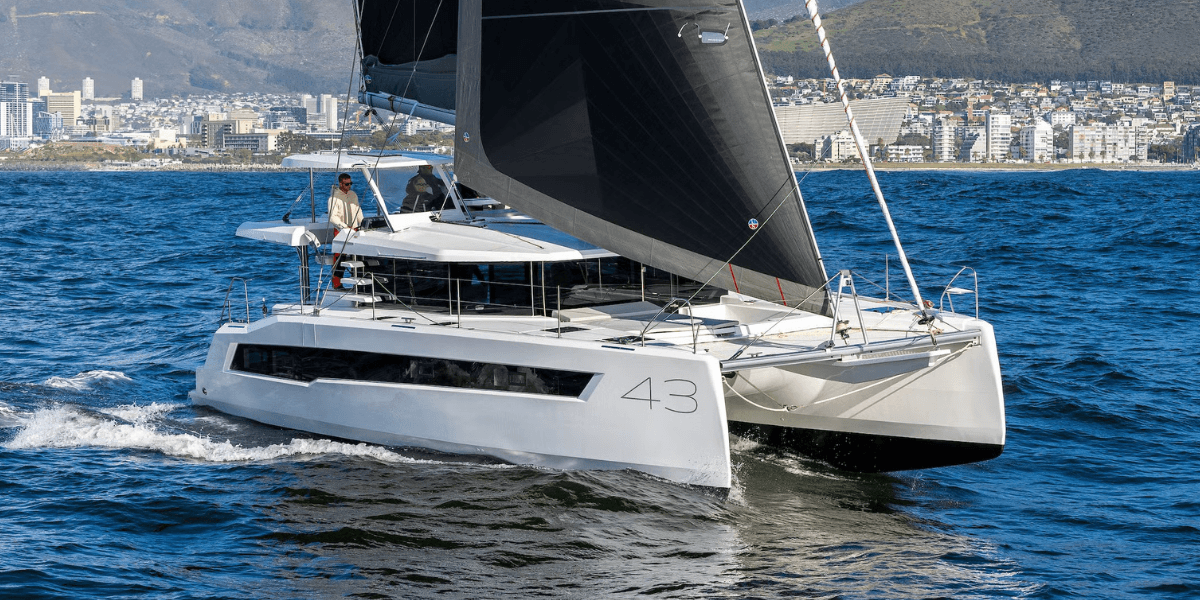
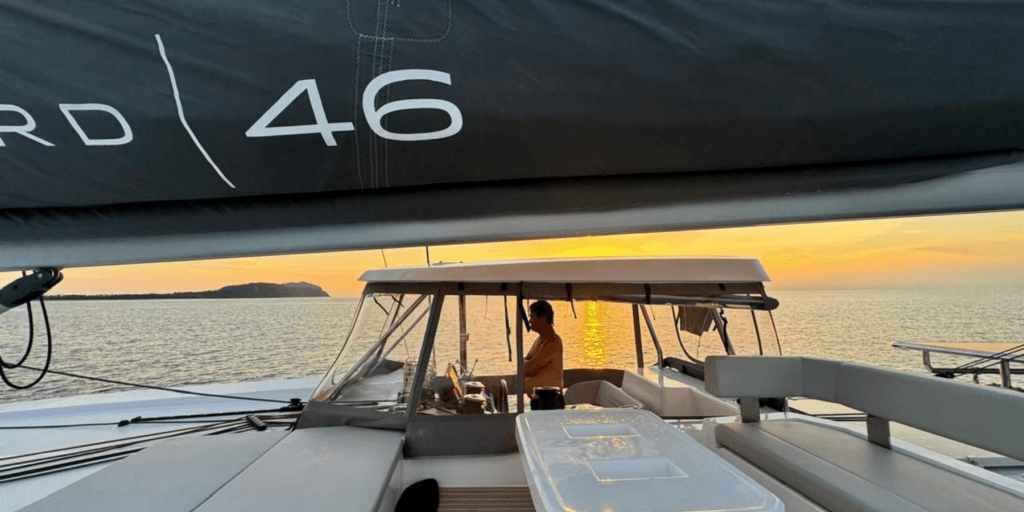
Aventura 37 Explorer bets on slow cruising, range, and efficiency
Aventura’s 37 Explorer turns slow cruising into the selling point: more range, less burn, and a layout built for long, quiet days at sea.
Why the slow-cruising bet lands now
The Aventura 37 Explorer is interesting because it refuses the old powercat arms race. For years, a multihull that could not clear 20 knots was easy to dismiss, but that logic is fading as more owners chase range, lower fuel burn, and calmer days afloat instead of bragging rights at the dock. The new equation is simple: if a boat can cover real distance at 8 to 10 knots while using much less fuel, it suddenly fits the way a growing slice of the market actually cruises.
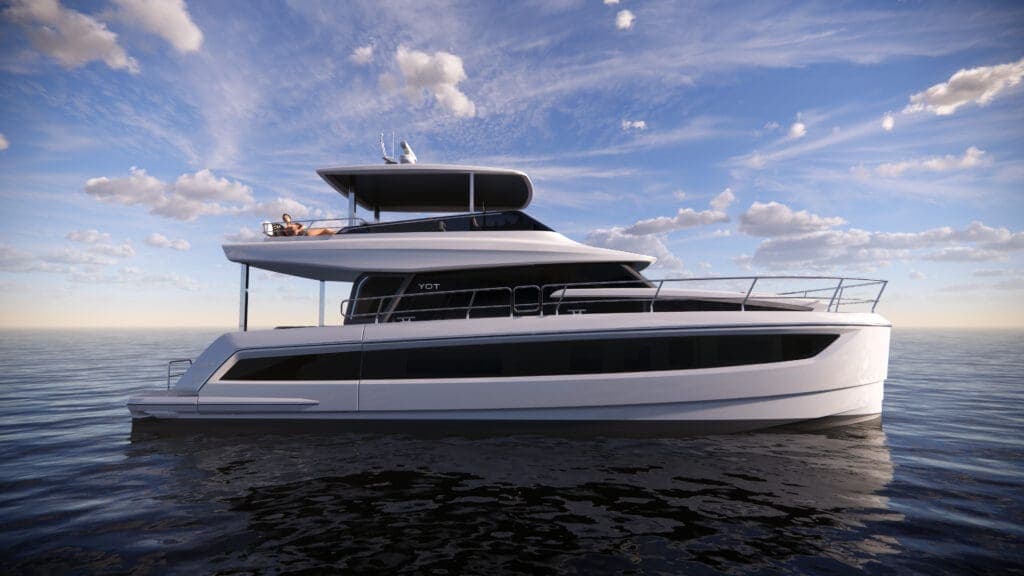
That shift is what gives the 37 Explorer its edge. Aventura is not pitching it as a compromise or a stripped-down budget build; it is presenting the boat as a trawler-style powercat for exploration, safety, endurance, autonomy, and lasting comfort, whether the plan is coastal running or offshore passages. In other words, this is a boat for people who measure success in miles covered, not top speed flashes.
What changed from the sailing 37
The Explorer comes from Aventura’s best-selling 37 Sail, but the transformation is more than a simple repower. The sailing gear is gone, the aft sections are reshaped into a more streamlined and elongated stern, and the platform is no longer pretending to be a sailcat with an engine attached. That matters, because it changes the whole ownership experience from one built around appendages and sail handling to one centered on efficient cruising and daily usability.
The motor package tells the same story. Instead of the smaller propulsion used on the sailing version, the Explorer is offered with engines ranging from 57 HP to 110 HP, which aligns it with long-range motor multihull use rather than pure performance chasing. A brand-new flybridge version is also planned, a clue that Aventura sees this model as an open-air social boat as much as a practical cruiser, with visibility and relaxed living space becoming part of the sales pitch.
The numbers behind the promise
On paper, the 37 Explorer stays compact enough to make sense for private owners, yet substantial enough to feel like a serious cruiser. It measures 10.9 metres long with a beam just under six metres, displaces 8 tonnes, and carries 500 litres of fuel in twin tanks. Multihulls World lists a cruising speed of 8 to 12 knots, which is exactly where the market shift becomes visible: enough pace to keep passages moving, but not so much power demand that the boat turns into a fuel bill with bunks attached.
The accommodation package is equally pragmatic. The Explorer is offered with 3 or 4 cabins, which opens the door to family cruising, owner operation, or charter use depending on how the boat is spec’d and sailed. The base price is listed at €293,500 excluding VAT, which puts it in a range that feels pointedly strategic for buyers comparing comfort, autonomy, and operating costs rather than simply chasing the flashiest badge.
That pricing matters because the slow-cruising argument is not only philosophical. It is a budget story too. A boat built to make useful miles at modest speeds, with smaller engines and lower fuel consumption, is easier to justify when owners are watching every refuel stop and every maintenance line on the invoice.
Who the Explorer is really for
The 37 Explorer makes the most sense for owners who want a catamaran that behaves more like a range-first cruiser than a weekend sprint machine. If your cruising grounds involve long coastal hops, island chains, or regular offshore crossings where comfort and fuel efficiency count more than getting there first, this layout starts to look genuinely compelling. The emphasis on autonomy also speaks to people who like to anchor out, stay longer, and avoid the constant rhythm of marinas and fuel docks.
It also fits the growing group of buyers who came to multihulls through lifestyle, not racing pedigree. A powercat gives you the stability, volume, and easy living many people want from a catamaran, while removing the sail handling that can make larger boats feel like a part-time job. In that sense, the Explorer is not just aimed at traditional powerboat buyers; it is aimed at sailors who are ready for simpler systems and at cruising-lifestyle owners who want the catamaran feel without the sail plan.
Why this market is warming up now
The broader industry backdrop helps explain why Aventura is moving in this direction. Yachting reported in March 2024 that boatbuilders and charter companies were seeing rising demand as more cruising-lifestyle buyers gave power catamarans a chance. BoatTEST followed with an April 2025 overview describing power cats as one of the fastest-growing sectors in boating. That is a meaningful change for a segment once judged mostly by speed and pure horsepower.
The appeal is easy to see once the numbers and use case line up. Power cats offer stability, usable volume, and the ability to cruise efficiently without asking owners to sacrifice comfort. The Explorer lands in the middle of that shift, and its timing suggests Aventura understands that the market is no longer asking, “How fast can it go?” but “How far can it carry me, and how pleasantly can I get there?”
Where Aventura fits in the bigger picture
The Explorer also makes more sense when you look at Aventura Yachts as a company rather than a single model. The shipyard began by taking over the Camping Cat 23 and Diabolo 28, later renamed Aventura 23 and 28, then launched its first fully in-house model, the Aventura 20, in 2007. It followed with the Aventura 33 and the Aventura 43 in 2012, then moved to a new factory in Menzel Bourguiba, Tunisia, in 2015 to keep up with demand.
Aventura says its first motor-propulsion model arrived in 2016, which shows how deliberately the brand has been widening its identity beyond sailing roots. The 37 platform itself already has more than 80 units built, giving the Explorer a proven foundation rather than a risky clean-sheet experiment. That is the real story here: the 37 Explorer is not a side project, but the latest proof that Aventura sees powered multihulls as a central part of where the brand is going.
At the 2026 International Multihull Show in La Grande-Motte, France, where it is being presented as a world premiere from April 22 to 26, 2026, the boat arrives with a very specific message. The future of some powercats is not louder, faster, or more aggressive. It is quieter, more efficient, and better matched to the way many owners now want to spend time on the water.
This article was produced by Prism’s automated news system from verified source data, official records, and press releases, then run through automated quality and moderation checks before publishing. The system is built and supervised by the people who set the standards it runs under. Read our full AI policy.
Did this article answer your question?