Beneteau and Fountaine Pajot launch E-Lektra Marine for electric yachts
Two of sailing’s biggest builders joined forces in La Grande-Motte to turn electric propulsion from a showcase idea into a shared production platform.
More than 99 percent of sailboats still depend on an internal combustion engine, and Beneteau and Fountaine Pajot just moved to change that at scale. The two groups launched E-Lektra Marine, a 50/50 joint venture in La Grande-Motte, France, built to create a common standard for electric propulsion and onboard energy autonomy across sailing yachts.
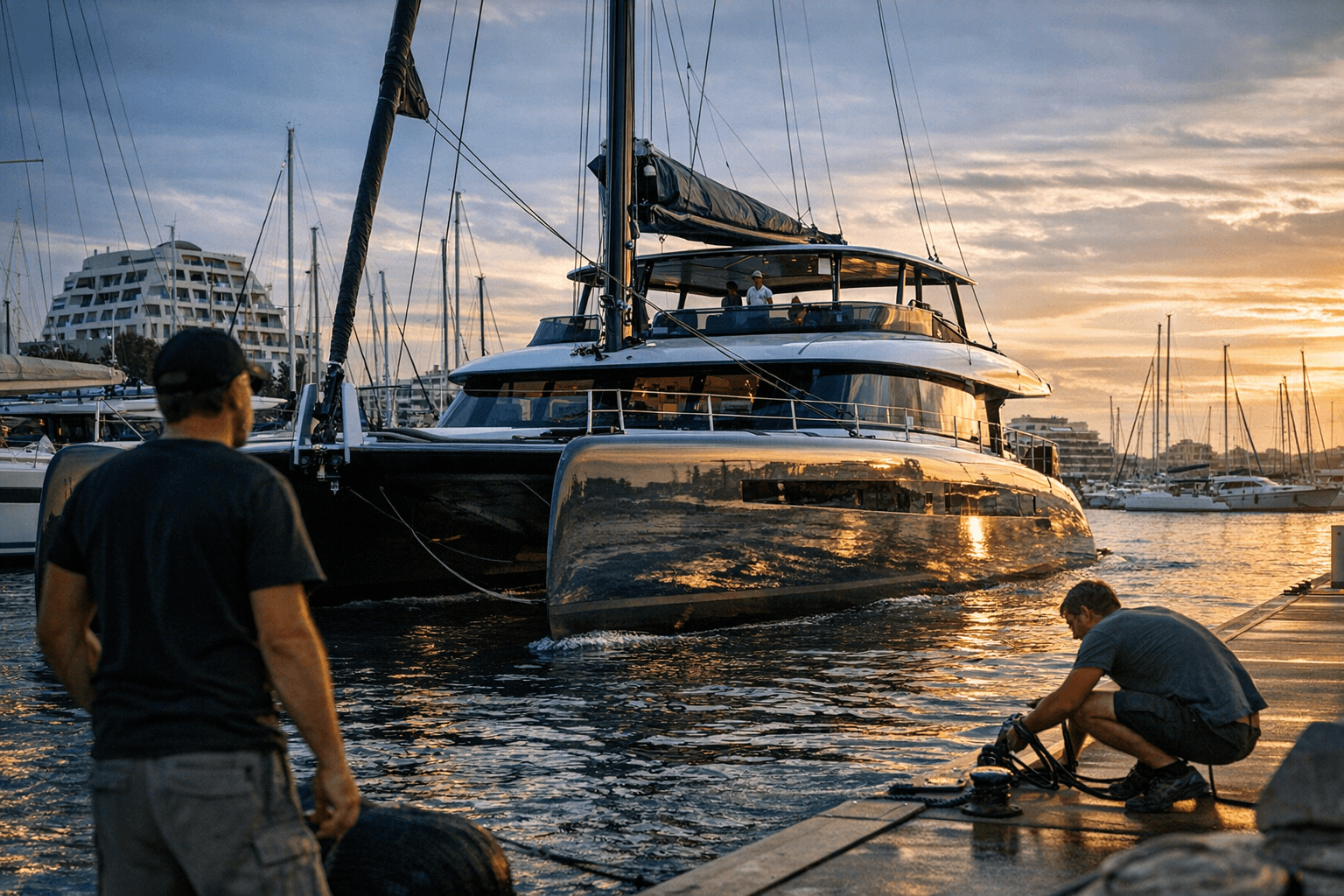
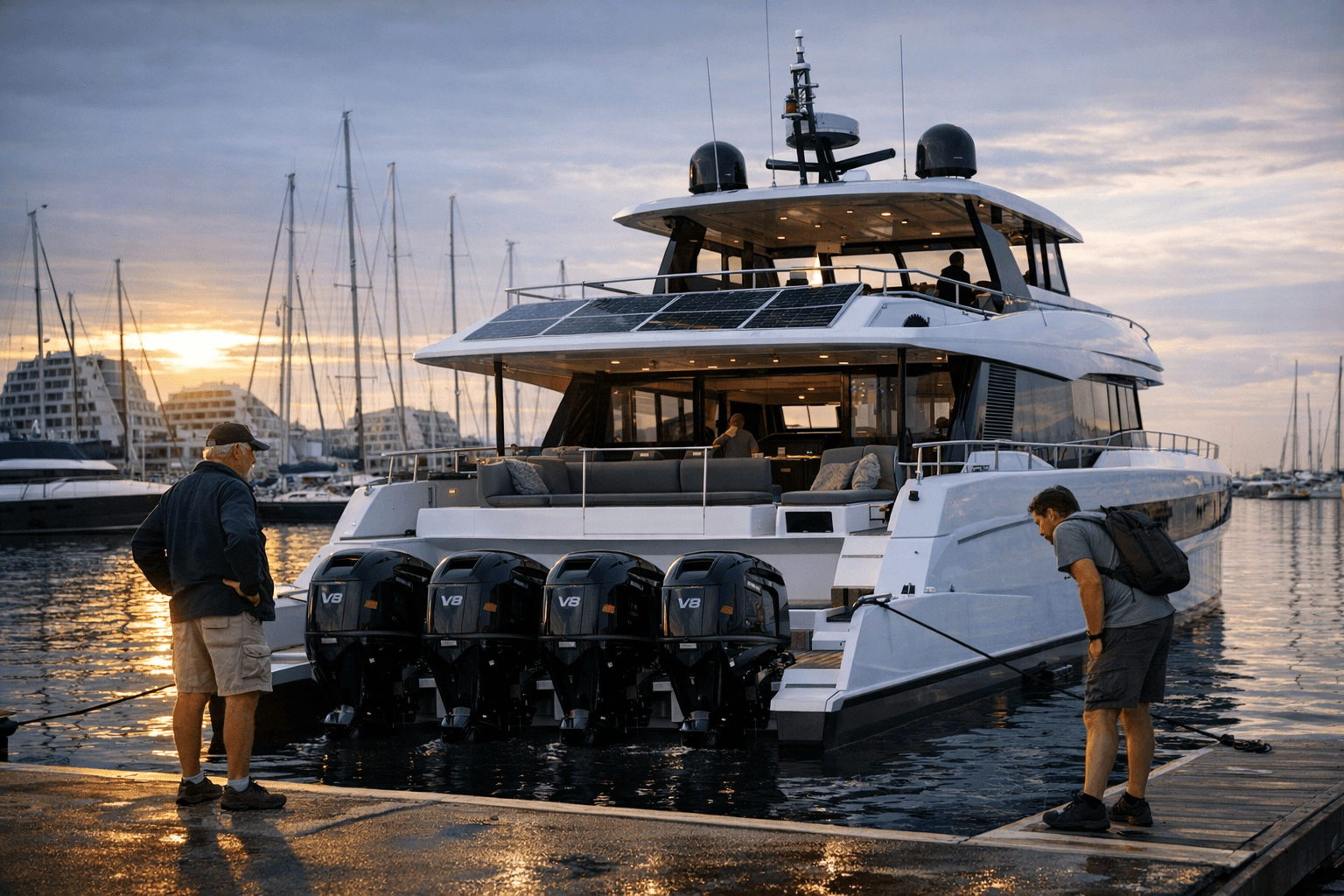
The significance goes well beyond a single catamaran model. E-Lektra Marine brings together seven brands, BENETEAU, JEANNEAU, LAGOON, EXCESS, Fountaine Pajot Sailing Catamarans, Fountaine Pajot Yachts and Dufour, under one technical platform while keeping each brand commercially independent. For buyers, that matters because it should mean more availability, more credibility, and faster development than the one-off prototype pace that has defined much of marine electrification until now.
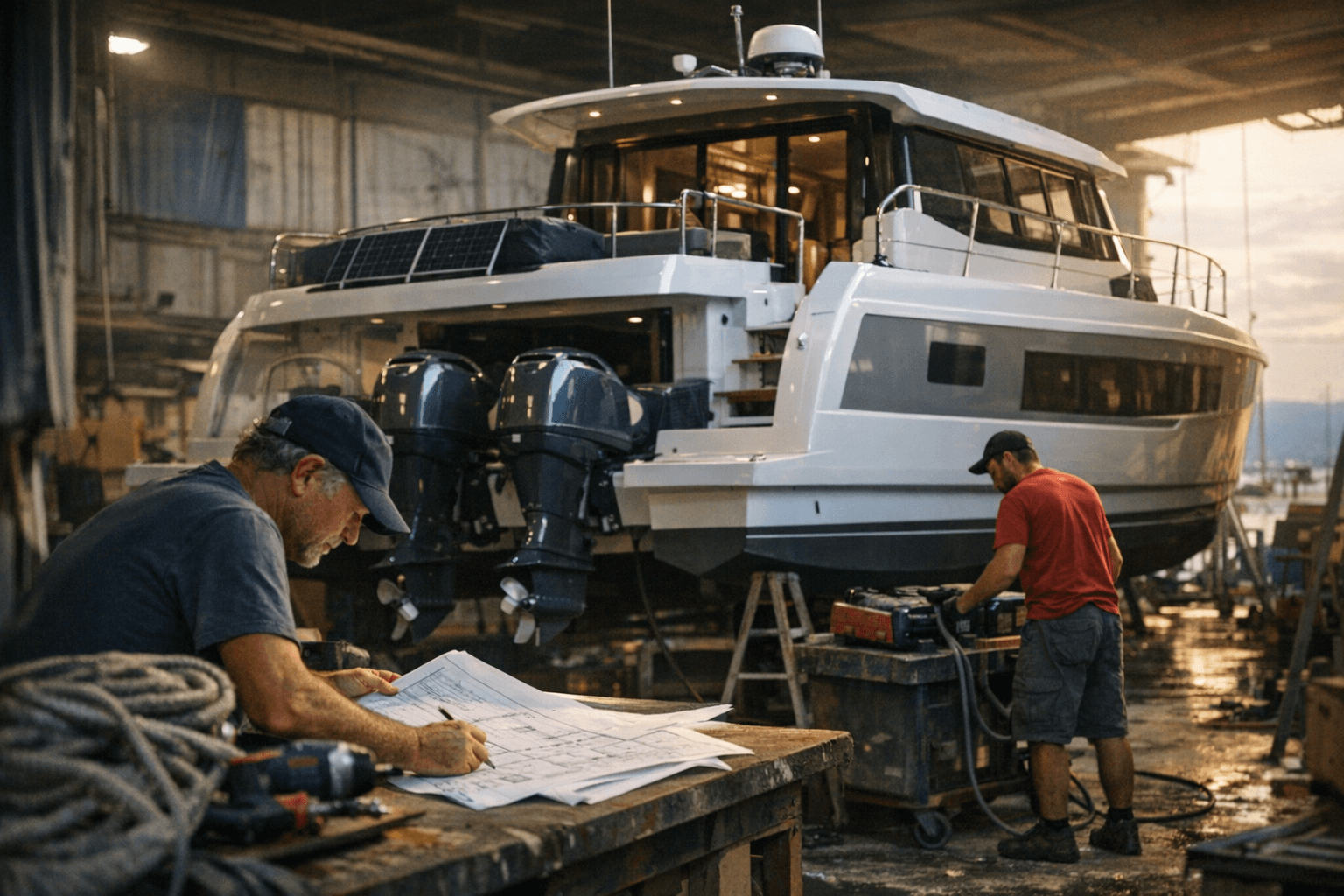
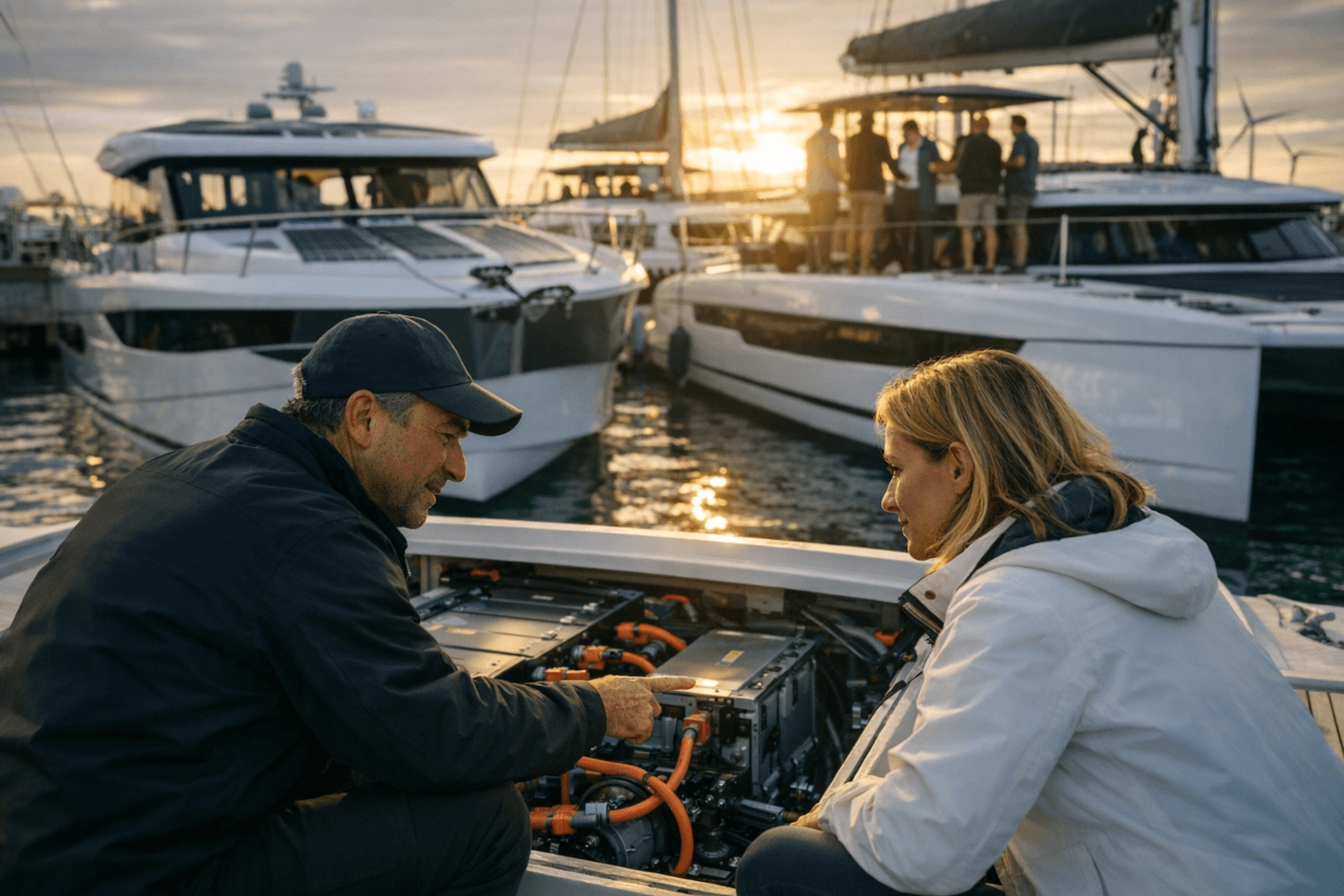
The companies said the platform will cover sailboats from 9 to 24 meters and include full-electric, low-voltage hybrid and high-voltage hybrid solutions. It will also handle onboard energy management, real-time monitoring and refit options, a combination designed for boats that must generate, store and distribute their own power away from shore charging. The goal is ambitious: support electric solutions in 10 percent to 15 percent of the global sailing market by 2030.
That target is backed by industrial muscle. Groupe Beneteau reported 2025 revenue of €849 million and more than 6,400 employees, while Fountaine Pajot reported first-half fiscal 2025/26 revenue of €136.2 million, down 12.8 percent year on year. The alliance is also supported by Alternatives Energies in La Rochelle, Cirtem in Toulouse and EVE System in Lyon, giving the project a broader supplier base than a single-yard engineering program.
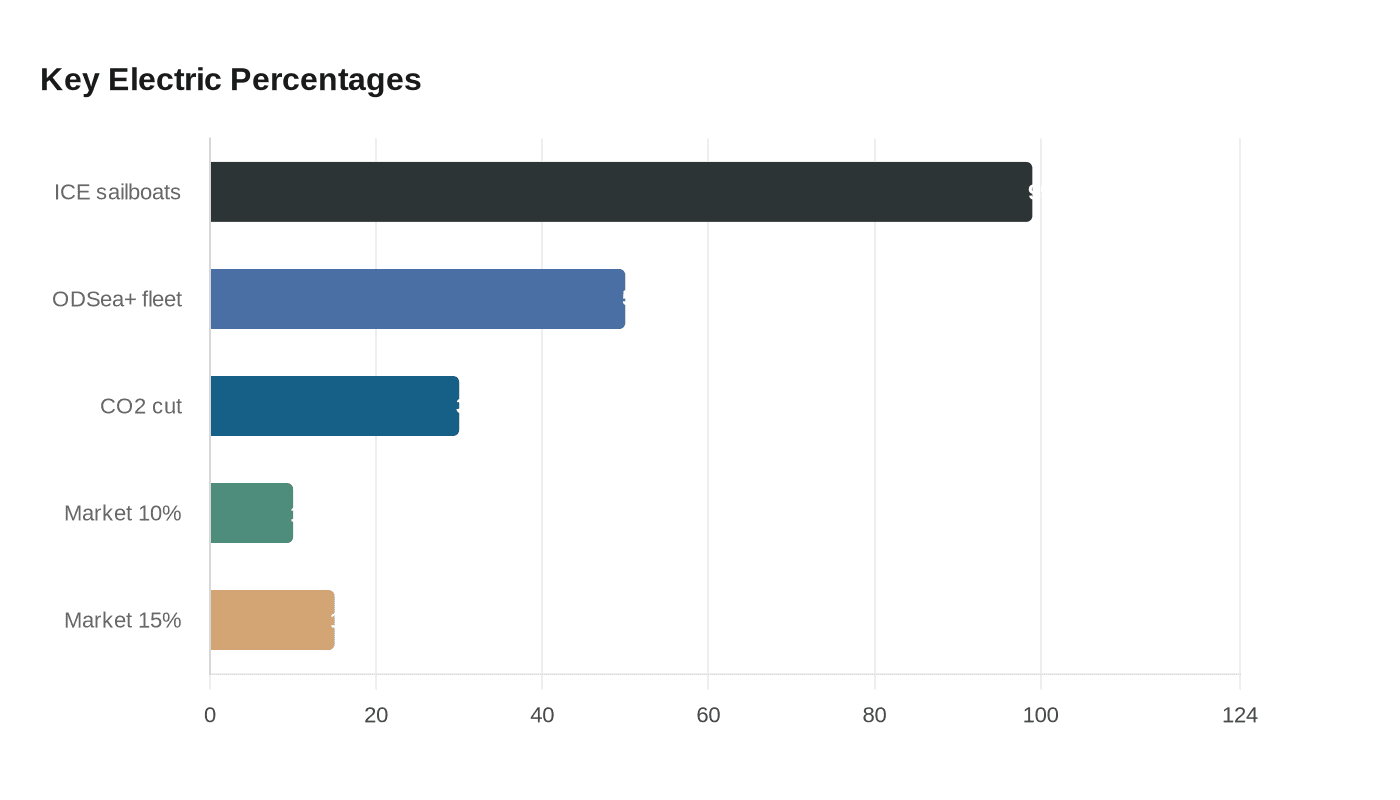
For multihull owners, the timing is especially relevant. Fountaine Pajot said its Aura 51, launched in 2022, was its first electrically propelled cruising catamaran, and it unveiled the Samana 59 RexH2 prototype in 2023 as the world’s first hydrogen-powered sailing catamaran prototype. By 2025, Fountaine Pajot said 50 percent of its fleet was equipped with ODSea+ technology, with every model intended to have an ODSea+ version by 2030.
That trajectory now has a bigger stage. Groupe Beneteau said its ACV work began in 2021 as part of a broader plan to cut CO2 intensity by 30 percent by 2030. With E-Lektra Marine, the two builders are trying to turn electrification from a premium experiment into a mainstream production strategy, and that could shape the next wave of cruising catamarans long before buyers step aboard.
Know something we missed? Have a correction or additional information?
Submit a Tip