Beneteau and Fountaine Pajot launch E-LEKTRA MARINE for electric cats
Beneteau and Fountaine Pajot formed E-LEKTRA MARINE to turn electric cat ownership from one-off experiments into a shared system for power, charging, and propulsion.
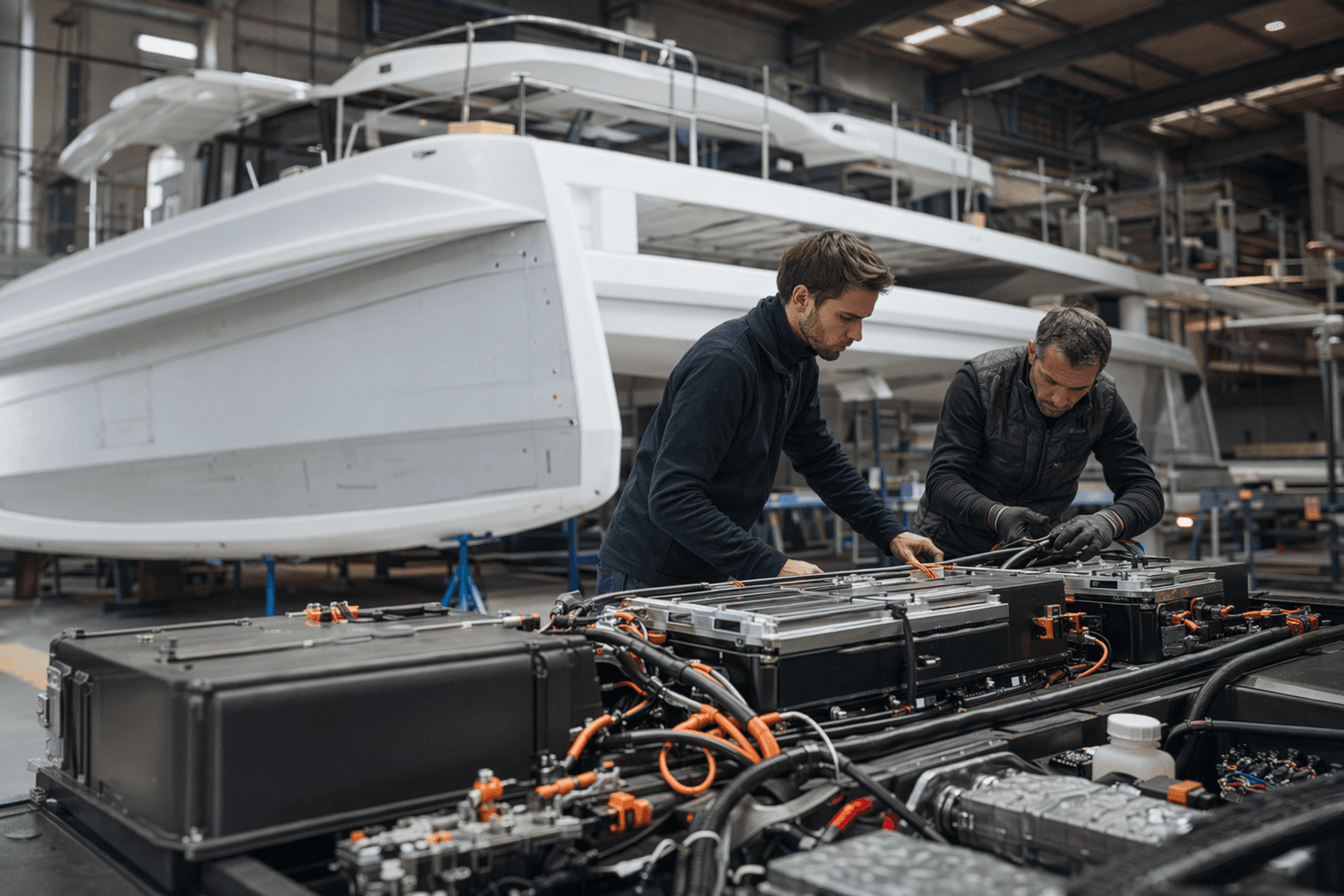
Beneteau and Fountaine Pajot have done more than announce another marine-tech tie-up. They created E-LEKTRA MARINE, a 50/50 joint venture built to push sailing-boats electrification and, more importantly, to build a shared platform for onboard energy management. For catamaran owners, that is the part that matters: not just batteries, but a system meant to handle solar production, battery management, domestic loads and propulsion in real time. The move was unveiled on April 30, 2026, and it points straight at the questions that still hang over electric multihulls: range anxiety, marina charging, maintenance and whether long-range cruising can stay practical once the diesel side of the equation starts shrinking.
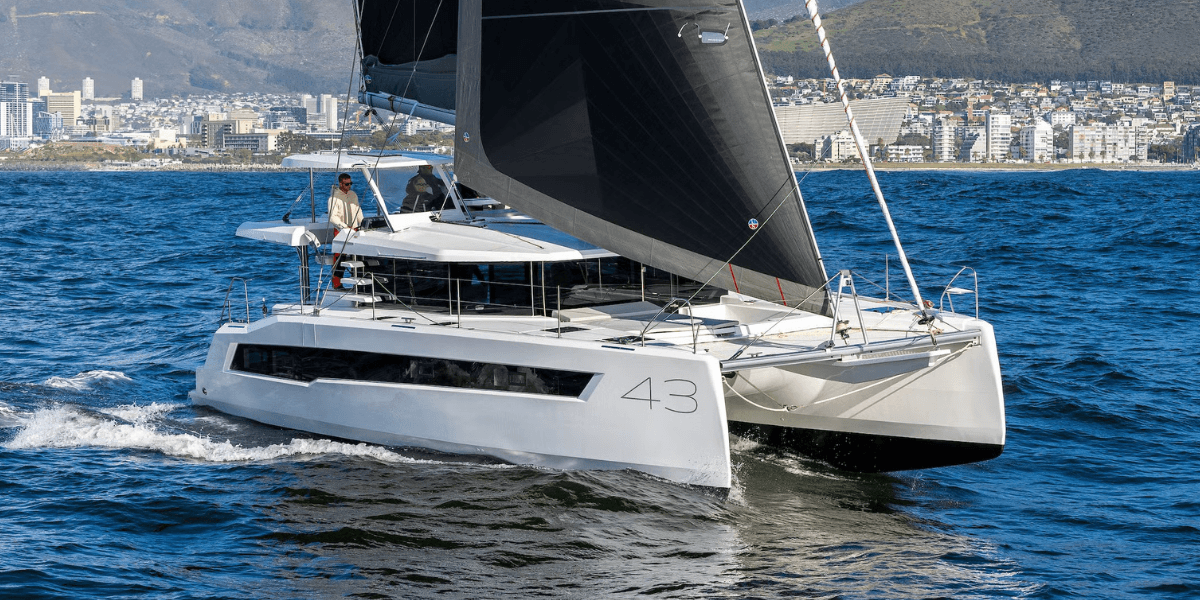
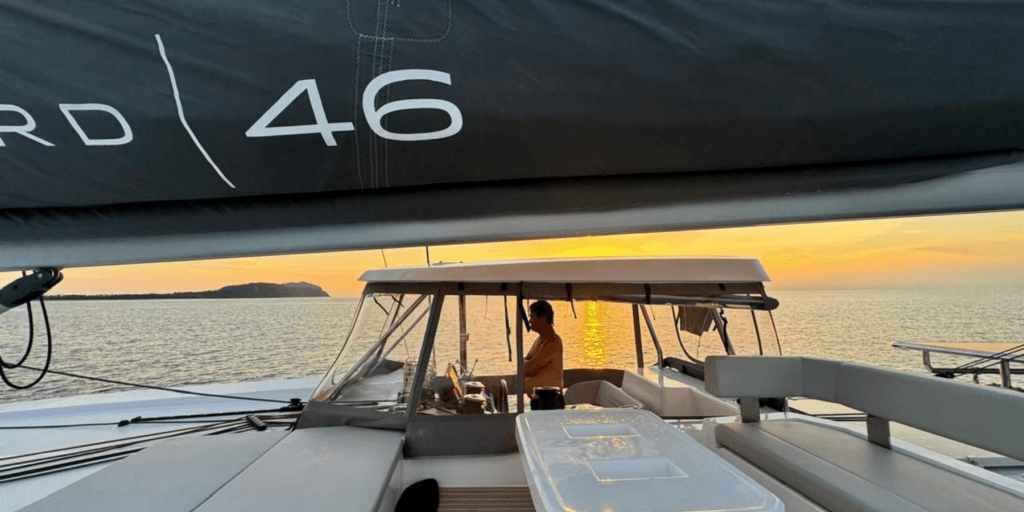
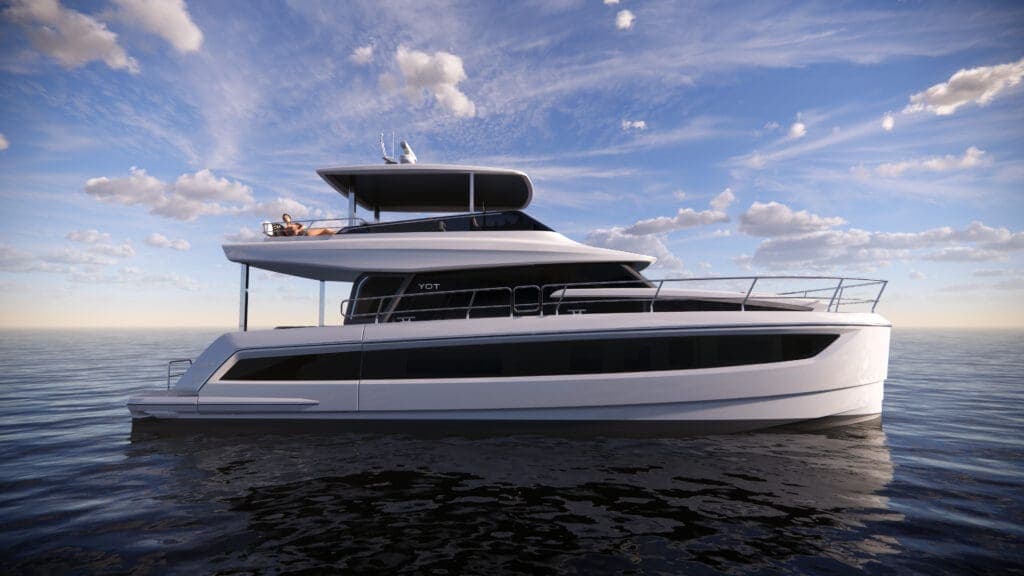
This is not an isolated lab project. The alliance explicitly reaches into Fountaine Pajot Sailing Catamarans and Fountaine Pajot Yachts on one side, and Lagoon and Excess on the Beneteau side. That makes E-LEKTRA MARINE feel less like a brand badge and more like an attempt to set the architecture for what future cruising cats will carry under the sole. Beneteau has already worked on low-voltage electric systems for boats up to 12 metres, while Fountaine Pajot has developed high-voltage hybrid solutions for catamarans above 15 metres. Those are very different operating worlds, but together they cover two of the most important pressure points in the market: smaller cats where electrification has to stay simple and light, and larger cruising cats where energy demand can become a constant balancing act.
The practical promise is obvious. A catamaran at anchor has to produce, store and distribute power on its own, often for days at a time. That is the central challenge the partnership is trying to solve, and it is why this story matters beyond the press-release language. If E-LEKTRA MARINE works, it could make charging routines less awkward, reduce the patchwork of separate onboard systems, and give owners a clearer path from solar input to hotel loads to propulsion without babysitting every amp.
The first segments most likely to benefit are the cruising cats already close to the electrification frontier, especially models in the 12-metre-and-under range and the larger 15-metre-plus boats where hybrid setups already make sense. The disruption will hit owners who have been buying into one-off solutions, one yard at a time. A common platform could change serviceability, refit planning and resale value, and it could do the same for the quiet factor that buyers increasingly expect from a modern cat. If this alliance lands, electric ownership may start to feel less like a compromise and more like the new baseline.
This article was produced by Prism’s automated news system from verified source data, official records, and press releases, then run through automated quality and moderation checks before publishing. The system is built and supervised by the people who set the standards it runs under. Read our full AI policy.
Did this article answer your question?