Catamaran buyers urged to compare new and used boats carefully
The right catamaran is the one that survives the survey, the sea trial, and your ownership budget. New and used boats solve different problems, and the wrong fit gets expensive fast.
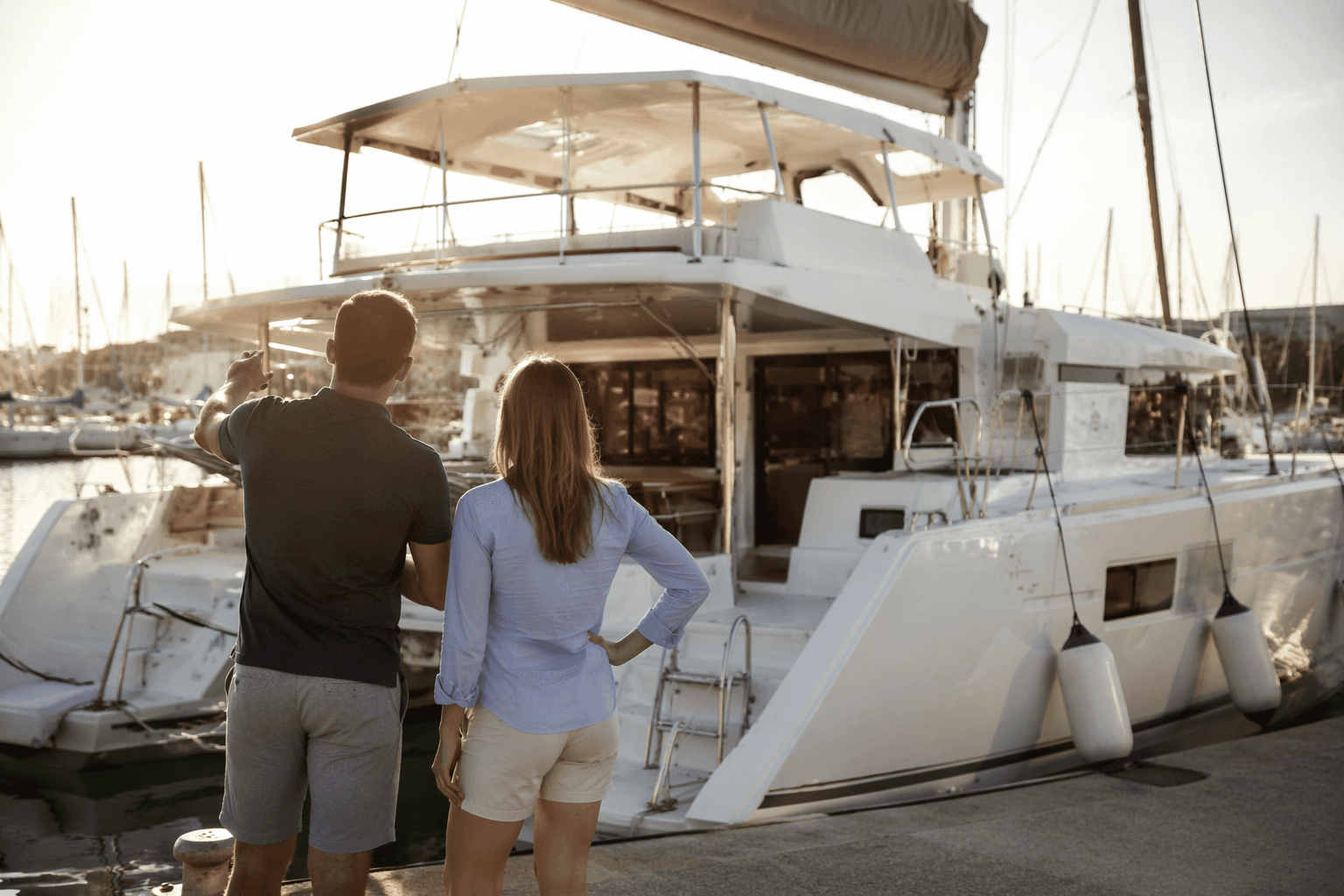
Used power cat inventory was about 40% to 60% tighter than equivalent monohulls in 2026. The cleanest way to avoid a bad buy is to treat the purchase as a fit test, not a finish contest, and to compare new-build and pre-owned boats on the things that change ownership day to day: use, access, upkeep, and resale.
Start with the mission, not the brochure
The first filter is what you actually want the boat to do. A boat for solo coastal hops asks different questions than a family cruiser, a liveaboard platform, or a multihull that will spend time moving between Florida, the Texas Gulf, Southern California, Hawaii, or the Bahamas. If you are comparing models on speed alone, you can miss the details that decide whether the boat is easy to handle, easy to live with, and easy to sell later.
That is where the new-versus-used decision matters most. A new build can make sense when predictability matters more than bargain hunting, because you are buying fresh systems, a clean paper trail, and less uncertainty around prior use. A late-model used cat can be the smarter buy when you want to skip the first wave of depreciation and get more boat for the money, but the tradeoff is that every shortcut in inspection becomes risk.
Use the survey as a deal gate
A pre-purchase survey is not a formality. It is the step that can expose hidden problems in structure, rigging, systems, and prior use history before they become your problem, and it can change financing and insurance decisions as much as it changes the purchase price. That is why a quick walk-through is never enough on a catamaran, where expensive issues can stay hidden behind a clean cabin sole or fresh cushions.
Under American Boat & Yacht Council standards, marine surveyors are supposed to be impartial and unbiased, and the report should be clear, concise, and written to inform the customer, lender, or insurer. A survey is doing more than blessing a boat; it is establishing whether the numbers in the deal still make sense once the hulls, systems, and history have been examined.
Demand a real sea trial, not a dockside impression
A sea trial belongs near the front of the process, often before or as part of the survey. Dockside checks tell you very little about how a catamaran behaves under load, how much noise travels through the bridge-deck area, or how the boat feels once engines, sails, or both are working in real conditions. Handling, vibration, and performance under way are the details that reveal whether the boat is actually calm, efficient, and predictable.
That matters even more on powered catamarans. A 2024 MDPI study raised serious concerns about hydrodynamic stability and acceptance testing at modern speeds. A good sea trial can expose problems a dock line will hide for buyers comparing propulsion choices.
Compare propulsion and layout as ownership choices
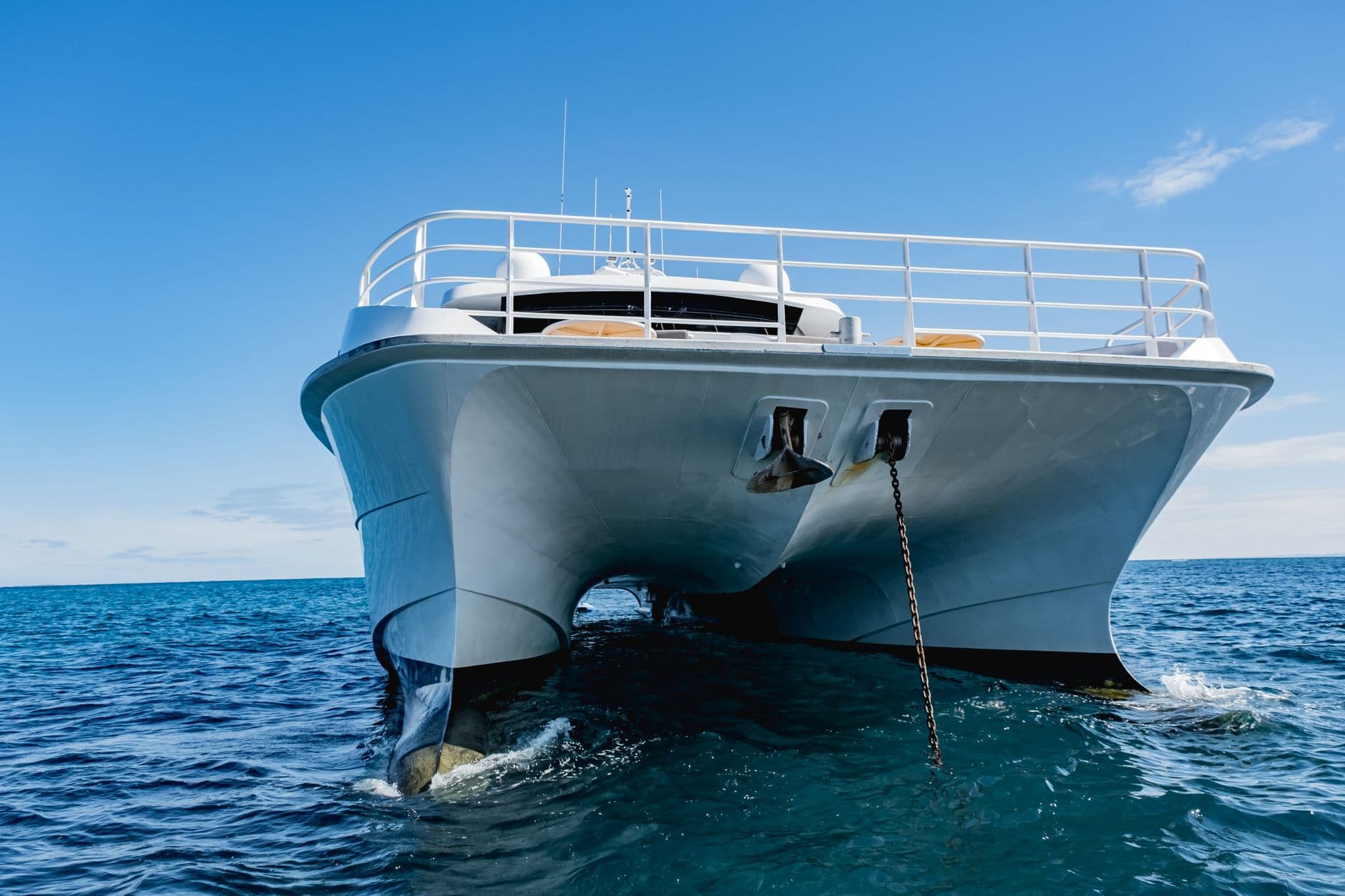
Propulsion and layout shape the way a catamaran lives, not just the way it moves. When buyers talk about bridge-deck layout, they are really talking about the boat’s day-to-day comfort, service access, and how the hulls and deckhouse work together when the boat is loaded, underway, or at anchor. A feature set that looks luxurious on paper can become a maintenance burden if it crowds access to machinery spaces or makes routine checks harder than they should be.
Judge features by the problems they solve. Extra systems, hybrid options, or a more elaborate deck plan only make sense if they reduce friction for your use case. If the boat is going to be sailed mostly short-handed, then easy line handling, visibility from the helm, and simple service access matter more than the flashiest layout.
Price the ownership, not just the asking price
The sticker is only the opening number. In 2026, annual ownership costs ran about 5% to 10% of a boat’s value, which translated to roughly $25,000 to $50,000 a year on a $500,000 catamaran. That forces the comparison away from purchase price alone and toward the reality of insurance, maintenance, upkeep, and the sort of surprises that show up only after you own the boat.
This is where new and used diverge sharply. New boats usually buy you more predictability, but you pay for it up front and through depreciation. Used boats can be cheaper to enter, but only if the survey, sea trial, and paperwork confirm that the savings are real. If a boat looks inexpensive because a problem has been deferred, the missing money usually comes back through repair bills later.
Follow the paper trail before you follow the price
Paperwork is part of the boat. Maintenance records, ownership history, and evidence of how the cat was used can tell you more than a polished listing sheet ever will. A multihull that has been cared for consistently and documented well is easier to finance, easier to insure, and easier to resell than one that looks tidy but has gaps in its history.
In Just Catamarans' 2025 market data, nearly 3,000 new sailing multihull listings came to market, with a cumulative value above $2.2 billion, and sailing multihulls made up 18% of brokerage volume and 38% of brokerage value.
This article was produced by Prism’s automated news system from verified source data, official records, and press releases, then run through automated quality and moderation checks before publishing. The system is built and supervised by the people who set the standards it runs under. Read our full AI policy.
Did this article answer your question?