Croatia catamaran routes for families by children’s ages and energy levels
Match Croatian island hops to your kids, and the route gets easier fast: short Dalmatian legs for younger children, wider southern choices as energy and confidence rise.
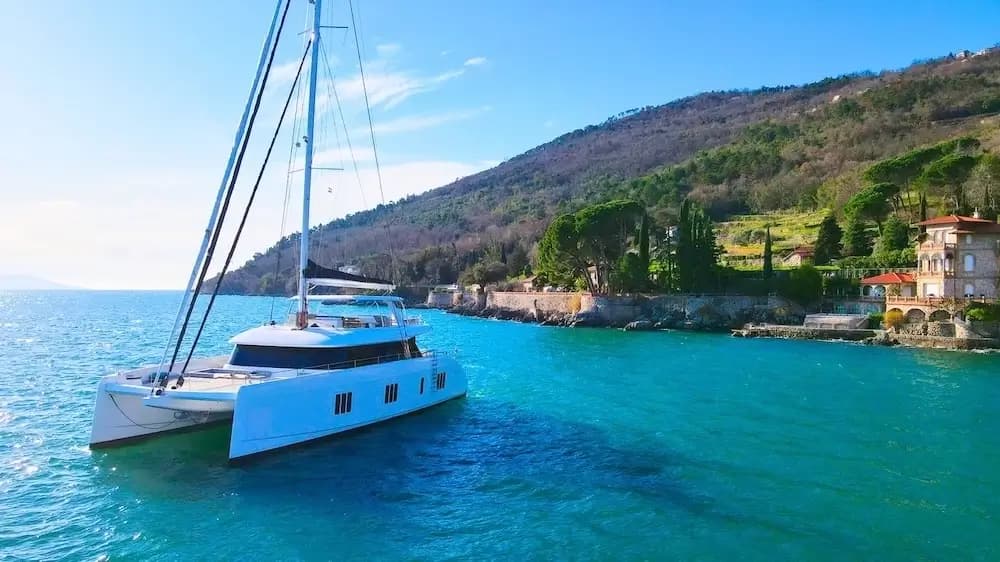
The smartest family charter in Croatia starts with one question: how long can your children happily stay with the rhythm of the sea before they need a swim, a snack, or shore time? Croatia makes that calculation worth doing, because its 6,278 km coastline and 1,244 islands, islets, rocks and reefs give you room to build a route around age, energy, and patience instead of forcing every crew into the same itinerary.
Start with the child, not the chart
For ages two to five, keep the plan tight. The best fit is the shortest-legs style of cruising, with a Trogir, Šolta, Brač, Vis loop and a skipper on board so the day stays calm and predictable. At that age, the route itself is part of the safety plan: shorter passages, protected anchorages, and fewer big commitments between stops make the difference between a happy swim day and an overtired cabin meltdown.
Once children are six to ten, Middle Dalmatia opens up as the sweet spot. Hvar, Vis, and Korčula become realistic choices because kids at this stage can usually handle more movement between islands, but still need a route that leaves room for breaks. That is where Croatian charter planning becomes more than sightseeing. You are balancing must-see stops with the kind of day that still leaves energy for supper, a quick shore wander, and an early night.
For ages eleven to fourteen, the southern route comes into play. Mljet, Lastovo, Pelješac wine stops, and Dubrovnik all move onto the board, and the trip can feel more expansive without becoming punishing. Teenagers, especially those who are comfortable on the water, can handle nearly any Croatian route, which gives you more freedom to chase the itinerary rather than protect it.
Why catamarans work so well for families
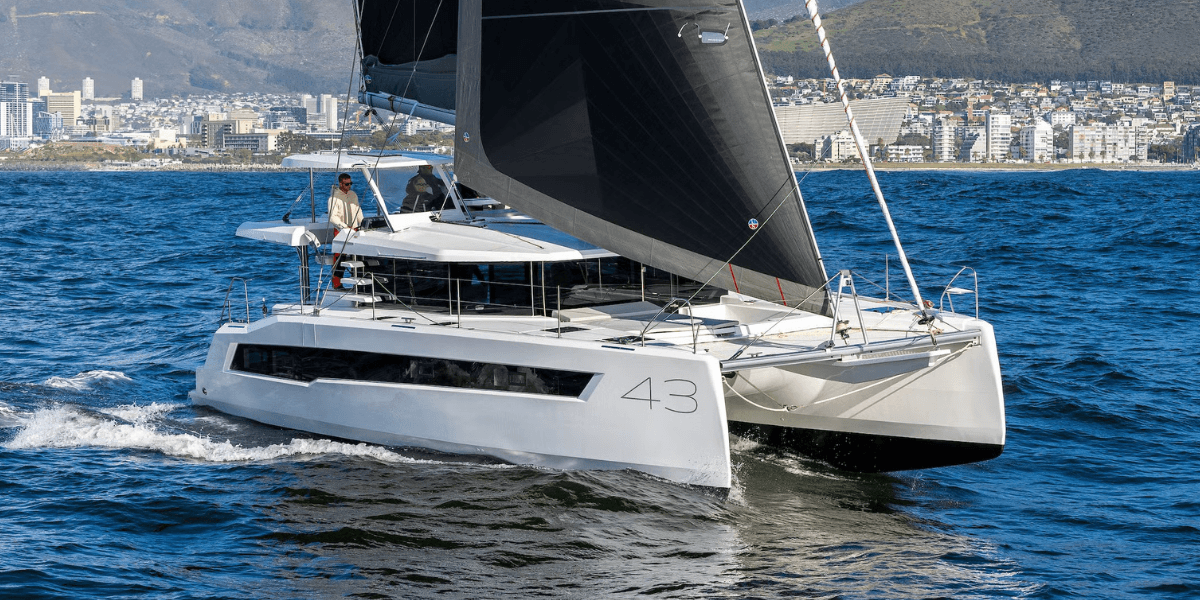
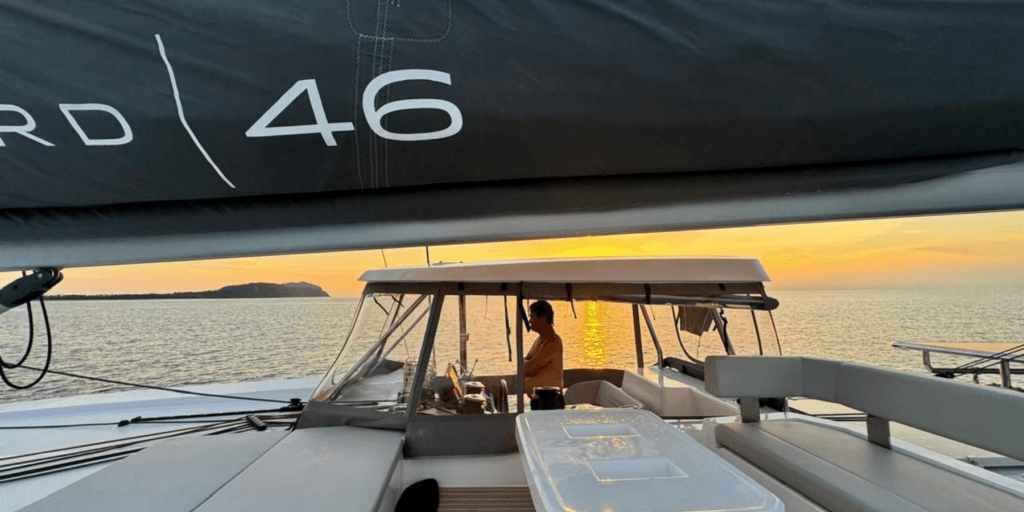
Croatia is built for family catamaran charter because the boats themselves solve a lot of the daily friction. The bow trampolines become instant play space, which matters on days when you need the children occupied between anchorages. The shallow draft helps you tuck into sheltered coves, and the stability takes the edge off long sailing days, so even a full route feels less tiring than it would on a more tender platform.

That stability pairs especially well with Croatia’s sailing environment. The Croatian National Tourist Board describes the Adriatic as one of the most peaceful and transparent parts of the Mediterranean, and it also points out that sailing is one of the core ways to experience the coast and islands. In practice, that means your family route can focus on swimming, shoreline time, and low-stress island hopping, instead of treating every passage like a test of endurance.
Use the anchorages that fit the age group
Specific stops matter just as much as the island names. Stončica on Vis is one of the clearest younger-child choices, thanks to its shallow sand-bottom anchorage and gentle beach access. If you want an easy swim stop without a complicated landing, that is the kind of bay that keeps the day relaxed.
Stiniva asks more of the crew, which is why it suits older kids better. Its pebble beach and deeper anchor depths make it more dramatic, but less forgiving for very young children. That contrast is useful when you are shaping a week: not every beautiful bay needs to be the everyday bay, and the best family route uses variety rather than insisting on one style of stop.
The Pakleni Islands are a strong middle ground, with quiet bays and access to Hvar town. That combination works well when you want a calmer anchor but do not want to give up the option of a lively evening ashore. Bol and Zlatni Rat on Brač offer another family-friendly balance, with restaurants, ice cream, and an easy shore experience that can reset the mood after a longer passage.
Build the route around weather, not just distance
Croatia’s main yacht-charter season generally runs from April through October, and May-June and September are often the shoulder-season sweet spot. Those months usually bring milder conditions, fewer crowds, and better value than the peak July-August rush, which can make a big difference when you are sailing with children who need calmer days and quicker access to shore.

Open-sea winds still matter, so families should treat route choice as a weather decision as much as a map decision. The Croatian National Tourist Board warns sailors to pay attention to winds such as the maestral and tramontana. Maestral is often described as a sailor’s friend, a thermal wind created by the temperature difference between sea and land. Tramontana brings cold, dry air from the interior toward the coast and is often linked with good weather. Even so, the broader lesson is simple: shorter legs and skipper-supported planning make family cruising more forgiving when the wind shifts.
Make Mljet the model for low-stress family stops
Mljet shows how a southern-route stop can work for families who want both water time and a simple day ashore. Mljet National Park, founded in 1960, covers almost 5,300 hectares, and its rules make the sailing plan feel orderly rather than complicated. Vessel movement inside the park’s waters is allowed only with permission, and speed within 150 m of the coast must not exceed 5 knots. That is exactly the kind of protected setting that rewards careful, unhurried family cruising.
The park also makes logistics easy. Visitors can reach the island by regular catamaran lines from Split and Dubrovnik, and the entrance ticket includes a return boat ticket to St. Mary island plus access to inland park sites. That combination turns Mljet into a concrete example of what families should look for on a charter: a stop that gives you safe water, straightforward shore access, and an onshore program that does not require much extra planning.
Choose the route you can actually enjoy
Croatia’s island geography can tempt you into trying to do too much, but family success usually comes from the opposite instinct. Younger children do best with short legs, sheltered anchorages, and a skipper-led plan. As the children get older, Middle Dalmatia and then the southern islands open up, bringing more famous stops and more flexibility. Once you match the itinerary to the kids on board, the charter stops being a race between destinations and becomes what it should be, a week of manageable sailing days, easy swims, and the right port waiting at the end of each leg.
This article was produced by Prism’s automated news system from verified source data, official records, and press releases, then run through automated quality and moderation checks before publishing. The system is built and supervised by the people who set the standards it runs under. Read our full AI policy.
Did this article answer your question?