Leopard Catamarans highlights solar, batteries and smarter catamaran design
Leopard Catamarans is recasting the buy decision around power, not just space. Factory solar, lithium storage and integrated systems now drive comfort, autonomy and resale appeal.
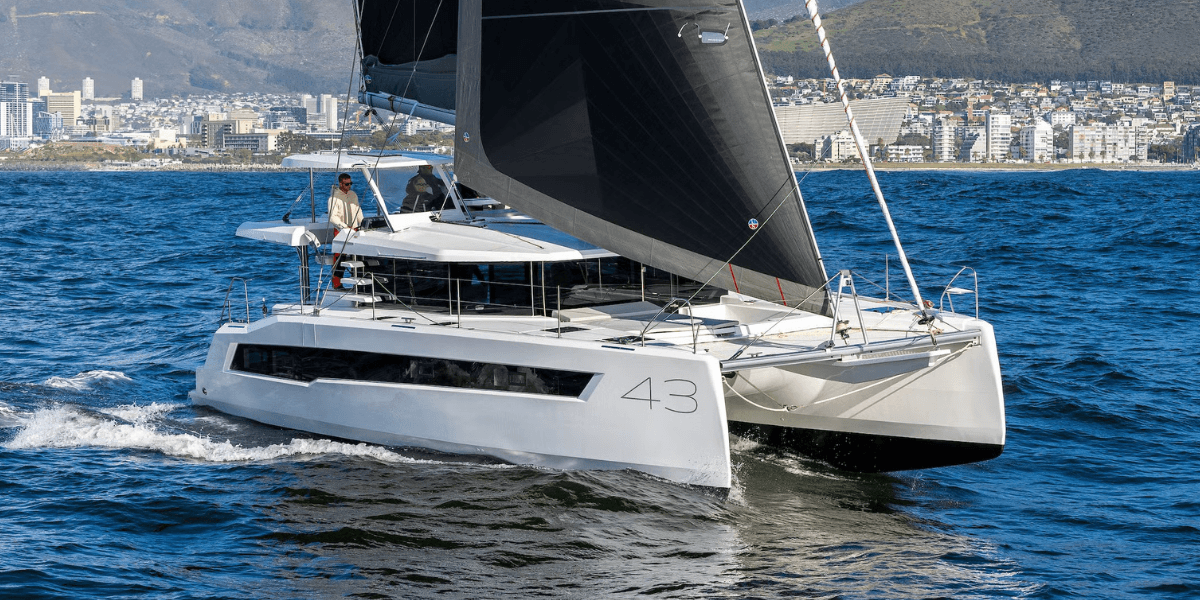
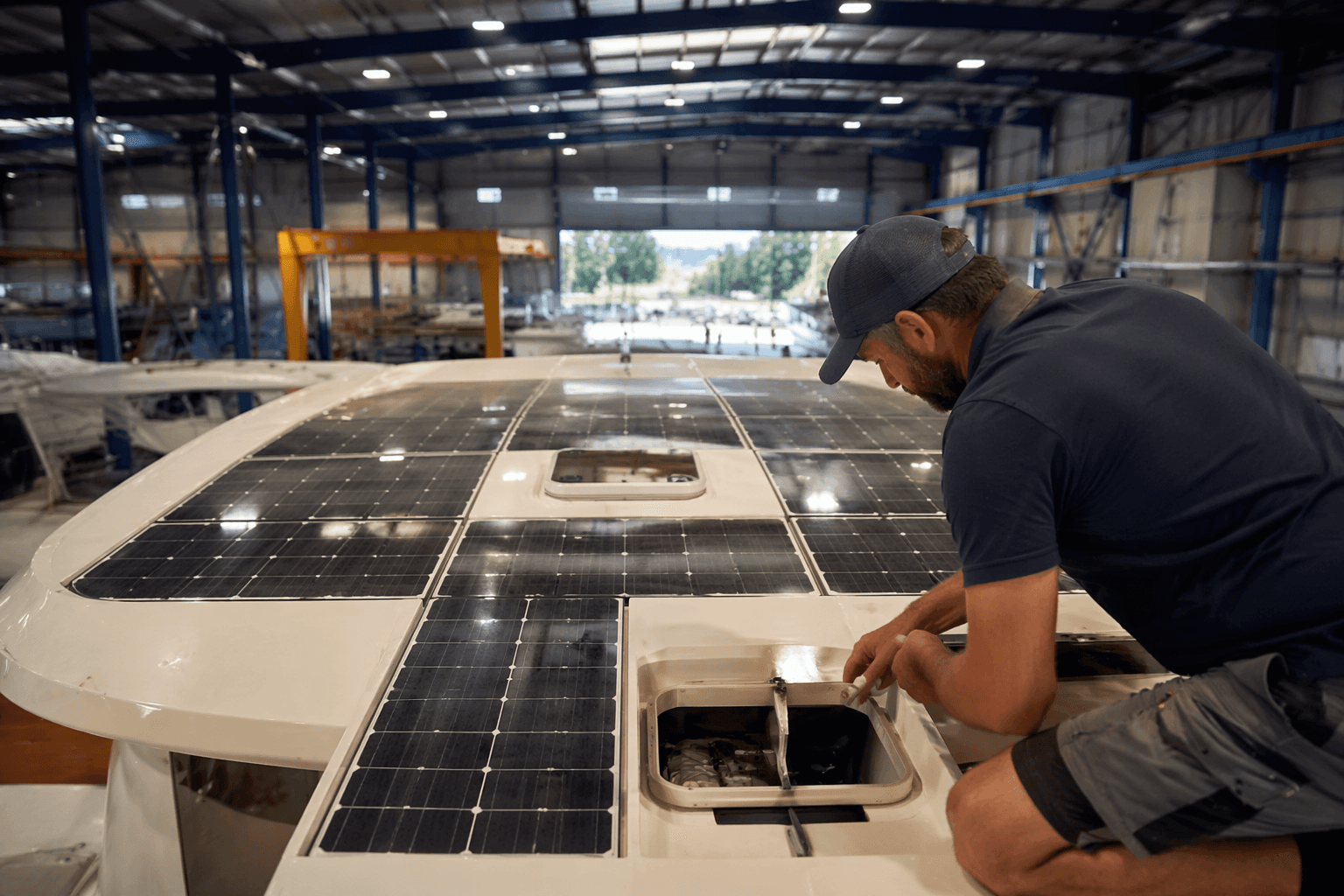
Flush-mounted solar panels built into the bimini or coachroof are becoming a baseline feature in Leopard catamarans. The latest design-and-technology direction also points squarely at energy generation, battery storage and better system integration, with cruising comfort now tied as much to the power budget as to the hulls themselves. For anyone weighing a purchase in the next 12 to 24 months, that changes the checklist fast.
Factory-integrated solar is moving from option to baseline
The clearest shift is solar that is built in, not bolted on. Flush-mounted panels integrated into the bimini or coachroof and wired into the yacht’s electrical architecture during construction are a very different proposition from a retrofit array added later. A factory-integrated setup is designed as part of the boat’s systems plan, not as an accessory living beside it.
For buyers, the practical value is straightforward. A cleaner install usually means less visual clutter, fewer piecemeal compromises and a more coherent deck and overhead layout, all of which matter on a cruising cat where every surface already serves multiple jobs.
Battery storage now defines how the boat feels at anchor
Lithium battery banks matter just as much as the solar discussion, because storage is what turns collected energy into usable independence. The real story is energy autonomy for liveaboard cruising, offshore anchoring and longer stretches away from shore power. That changes the equation for buyers who want the boat to operate like a self-contained home rather than a marina-dependent weekend platform.
This is where ownership questions become concrete. A catamaran with serious battery capacity changes how you think about overnight anchoring, air conditioning, refrigeration, lighting and the constant background loads that make life aboard comfortable. The new benchmark is not whether the boat has batteries, but whether the battery system is sized and integrated to support the way you actually cruise, especially when the nearest dock pedestal is not part of the plan.
Hybrid propulsion and quieter operation reshape cruising expectations
Hybrid propulsion sits in the same conversation, but the payoff is not just technical novelty. It brings quieter operation, better off-grid capability and a more refined onboard experience. Catamaran buyers are increasingly comparing not only range and speed, but also how a boat behaves when it is sitting still, charging, running hotel loads or easing through a harbor.
The practical test is whether the yacht can reduce the constant tradeoff between comfort and self-sufficiency. If the boat can deliver a calmer anchorage routine, less generator reliance and more predictable power management, the value shows up every day rather than only on a spec sheet.
Smarter use of volume is becoming a design standard
Smarter use of available volume may be the most useful idea for buyers sorting through similar-looking multihulls. The point is not simply to maximize space, because most modern catamarans already offer plenty of it. The point is to use that volume in a way that supports circulation, onboard systems and liveaboard practicality without making the boat feel overbuilt or visually crowded.
Buyers are looking for weeks or months aboard, not just a polished marina profile. A well-used interior volume supports easier movement, better day-to-day living and fewer frustrations when multiple people are onboard for extended cruising.
What a buyer should measure before signing
The clearest way to read these trends is to treat them as a set of ownership tests rather than abstract design talking points. Ask how the solar is integrated, how the lithium bank supports real hotel loads, how the propulsion and charging systems interact, and how much the layout helps or hinders life aboard.
- Maintenance: factory-integrated systems should be easier to understand as one package, but only if access, wiring and service points are sensible.
- Power management: the question is whether the boat can handle anchoring, refrigeration and comfort loads without constant attention.
- Onboard comfort: quieter operation and fewer power compromises make a visible difference the first time you spend several nights away from shore power.
- Cruising utility: energy autonomy is only valuable if it supports real passages, real anchorages and real time off-grid.
- Resale appeal: a boat built around a coherent systems plan is easier to explain to the next buyer than one assembled from scattered upgrades.
This article was produced by Prism’s automated news system from verified source data, official records, and press releases, then run through automated quality and moderation checks before publishing. The system is built and supervised by the people who set the standards it runs under. Read our full AI policy.
Did this article answer your question?