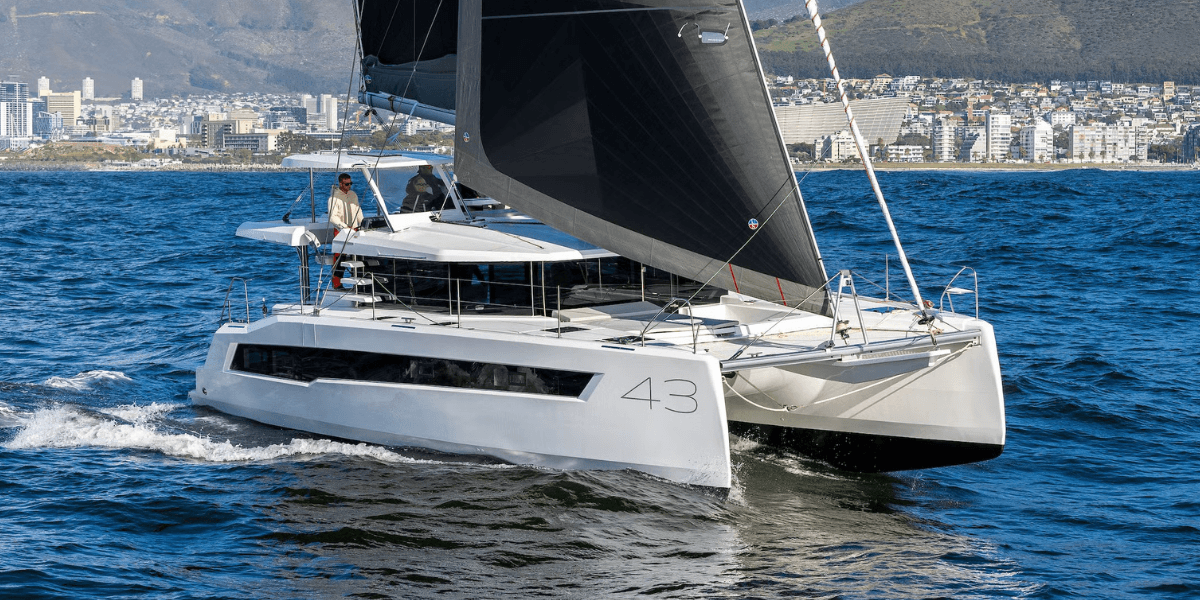
Catamaran stability is not invulnerability, experts warn of capsize risks
Catamarans can feel unshakable at the dock, but real-world loading, wind, waves, and inversion risks still matter, especially when entrapment is in play.
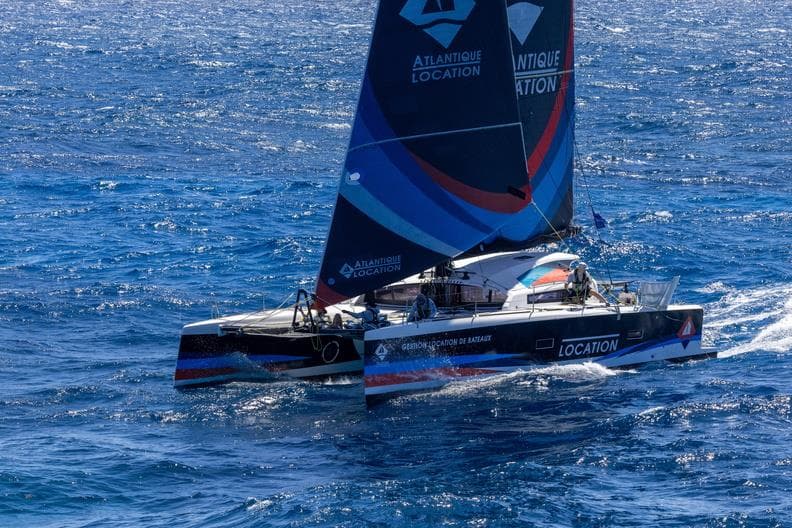
A Maritime and Coastguard Agency-linked research project compiled 124 stability incidents over a 30-year period to 1995, with 33 catamarans, 67 trimarans, 2 proas, and 22 multihulls of unknown type. Buoyancy keeps a boat afloat, but stability keeps it upright, and those are not the same thing once wind, loading, sea state, and speed start working together.
Stability is a shape problem, not a dockside feeling
All vessels must be buoyant to float and stable to stay upright, and the Royal Yachting Association treats small catamarans as a distinct boat type because their hazards are different from monohulls. A cat can feel planted in flat water and still behave badly when bad loading, breaking waves, resonant rolling, broaching in a following sea, or excessive heel angle enter the picture.
For owners and buyers, the relevant variables are geometry, beam, sail plan, and payload once wind, loading, sea state, and speed change.
The casualty record is bigger than the myth
Craft under 7 metres were excluded from that database.
Eighty-four percent of catamaran casualties were the result of wind-induced capsize or pitchpoling, putting sail area, loading, and wind angle at the center of the problem. The same research found catamaran incidents tended to be more wind-driven, while trimarans were relatively more vulnerable to wave impacts.
Entrapment is the part most owners underestimate
If capsize is the headline fear, entrapment is the trapdoor underneath it. In the Royal Yachting Association’s entrapments paper, the statistical risk is tiny, but the recorded incidents were serious: more than one third were classified as serious, and the biggest danger came from complete inversion with the sailor tangled or stuck underneath.
The issue is not just whether the boat goes over, but whether somebody can get out, get free, and get reached. No single dominant factor explained the incidents.
Ropes, fittings, and trapeze equipment showed up as common contributors. So do not treat the cockpit, tramp, or side decks like harmless open space. Anything that can snag a body or delay a move underwater needs to be looked at before the boat ever leaves the mooring.
Why inversion happens fast enough to surprise you
In Royal Yachting Association guidance, most boats invert quickly if capsized to windward while sailing downwind. That kills the fantasy of a slow, manageable roll that gives everyone time to think. In real use, the transition from stable to inverted can happen in a way that leaves very little room for improvisation.
Capsize drills on a catamaran are not theoretical box-ticking. They are about learning what the boat does when loaded, pressed, and knocked down in the wrong direction. If the crew has never talked through who moves where, which line gets released, and how to reach someone who is pinned, those decisions will be made during the capsize.
What actually changes the outcome on board
The RYA Safety Boat eBook covers towing, man-overboard recovery, and capsized or inverted craft, including multihulls and foilers.
The boat should be organized around the assumption that inversion is possible and speed matters. That means:
- Keeping crew movement routes clear so nobody gets trapped by clutter when the boat is on edge.
- Stowing lines so they are available for control but not loose enough to snag a person under stress.
- Treating fittings, tramp areas, and harness or trapeze gear as entrapment hazards, not just sailing hardware.
- Practicing calm, short commands before a knockdown happens, because communication gets much worse once the boat is moving and the crew is off balance.
- Knowing what can be cut or released quickly in an emergency, and making sure that decision is not left to guesswork.
Design and loading still matter more than bravado
Capsize analysis is not the same as monohull analysis, and static stability alone does not tell the full story. Many mistakes around catamarans start with overconfidence in the platform itself rather than honest attention to the load on it.
Bad loading changes the boat faster than most owners expect. Extra gear, poor weight distribution, or a cruising setup that makes sense at the dock can create a very different boat once the wind climbs and the sea builds.
The modern question is still open
A 2024 study on powered catamarans found limited published research on the factors that affect hydrodynamic stability during turns and current regulations ineffective for modern powered catamarans.
This article was produced by Prism’s automated news system from verified source data, official records, and press releases, then run through automated quality and moderation checks before publishing. The system is built and supervised by the people who set the standards it runs under. Read our full AI policy.
Did this article answer your question?