Latitude Yachts Launches Naval Division, Unveils LNT-27 Tactical Catamaran
Latitude Yachts unveiled the LNT-27 tactical catamaran as the first project of its new defense arm, Latitude Naval Technologies, based at the Freeport of Riga.
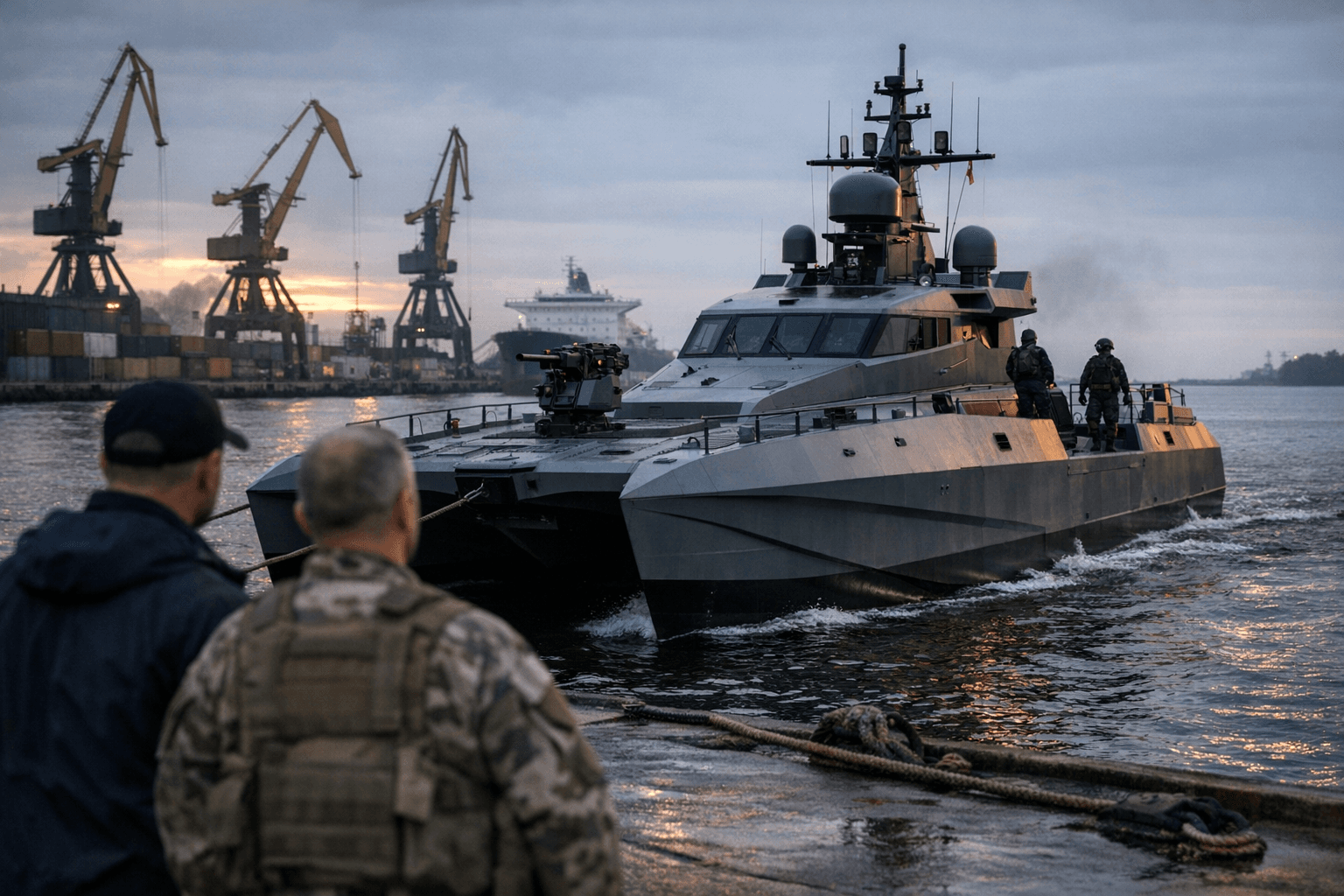
Latitude Construction, the Riga-based shipbuilder operating under the Latitude Yachts brand, made its sharpest pivot yet on March 24, announcing the formation of a dedicated defense subsidiary and unveiling its first naval project in the same breath. The company will establish a new entity, Latitude Naval Technologies (LNT), with the aim of developing modern offshore platforms for security and defense operations.
The first project is the tactical catamaran LNT-27, intended for use in maritime security operations, patrolling, and other specialized tasks where a fast, stable, and efficient marine platform is required. LNT will operate from facilities at the Freeport of Riga, where Latitude Construction currently maintains a 3,000-square-meter workshop along with additional premises totaling approximately 10,000 square meters. The LNT-27 and every vessel that follows it will be of composite construction, a deliberate departure from the steel and aluminum work that filled the yard's order books for more than two decades.
The Freeport of Riga made its backing explicit in a press release that accompanied the announcement. "In the current conditions, such a production facility will not only contribute to the economic growth of Latvia but also boost the security of Latvia and its partners," the port authority stated. LNT joins other innovative and military technology production facilities already based at the port, adding a new direction to the Latvian shipbuilding industry.
Latitude Construction has been designing and building ships, yachts, and various sea platforms for more than 20 years, working with traditional materials like steel and aluminum as well as modern composite materials. Through partnerships across Europe and the United States, the company has gained extensive experience in executing international projects; its expertise extends beyond ship design to include large-scale composite structures, advanced manufacturing technologies, and robotic precision milling, enabling the production of complex geometries and high-precision parts for modern shipbuilding. That manufacturing depth is central to what LNT is promising: a catamaran hull that improves speed, maneuverability, and operational stability compared to conventional patrol boats.
The workforce ambitions are equally specific. The company is expanding its team and seeking engineers, naval architects, technicians, and other specialists eager to develop next-generation marine technologies. A modern composite shipbuilding infrastructure is planned for Riga, with the project intended to create high-value-added jobs, promote technology transfer, and provide a long-term contribution to the development of the Latvian defense industry.
Latvia, like its Baltic neighbors, faces an evolving security landscape, and the establishment of Latitude Naval Technologies aligns with a broader European trend: commercial shipbuilders turning defense-ready as governments prioritize maritime domain awareness and rapid response in contested waters. No confirmed customers or production timeline for the LNT-27 have been disclosed, but the Freeport of Riga's public endorsement signals that this is more than a concept render on a trade-show wall. For a yard that built its reputation on composite superyachts and passenger ferries, the LNT-27 marks the moment Latitude Yachts stopped borrowing credibility from the leisure market and started building it on the defense waterfront.
Know something we missed? Have a correction or additional information?
Submit a Tip