Project Zembra's 50-Foot Catamaran Tender Reaches 40 Knots, Tows Submersible
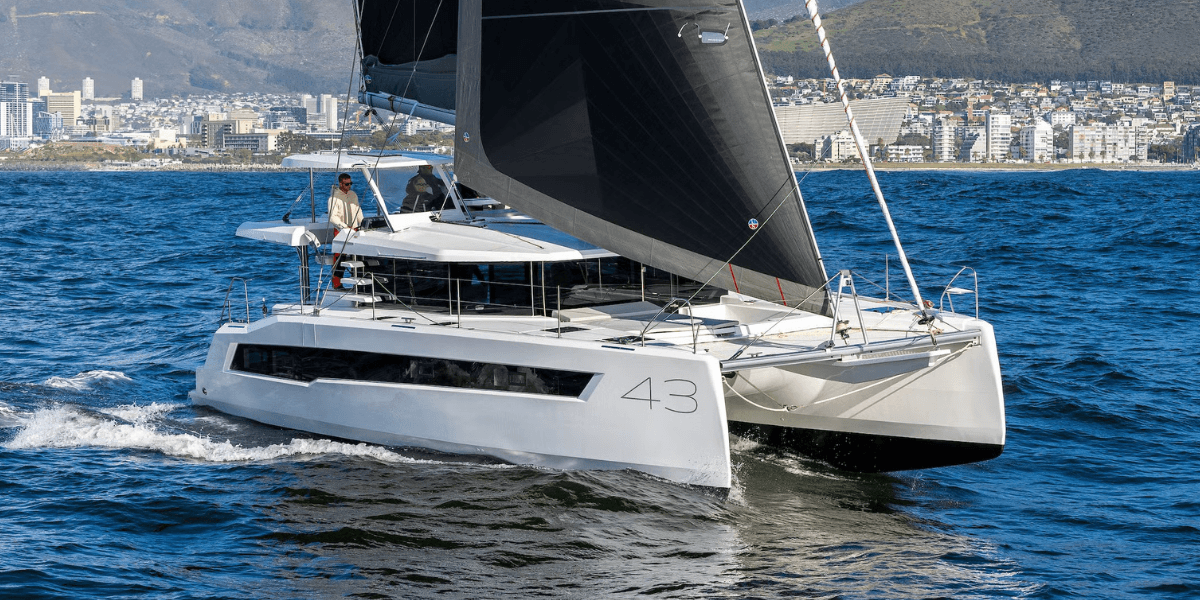
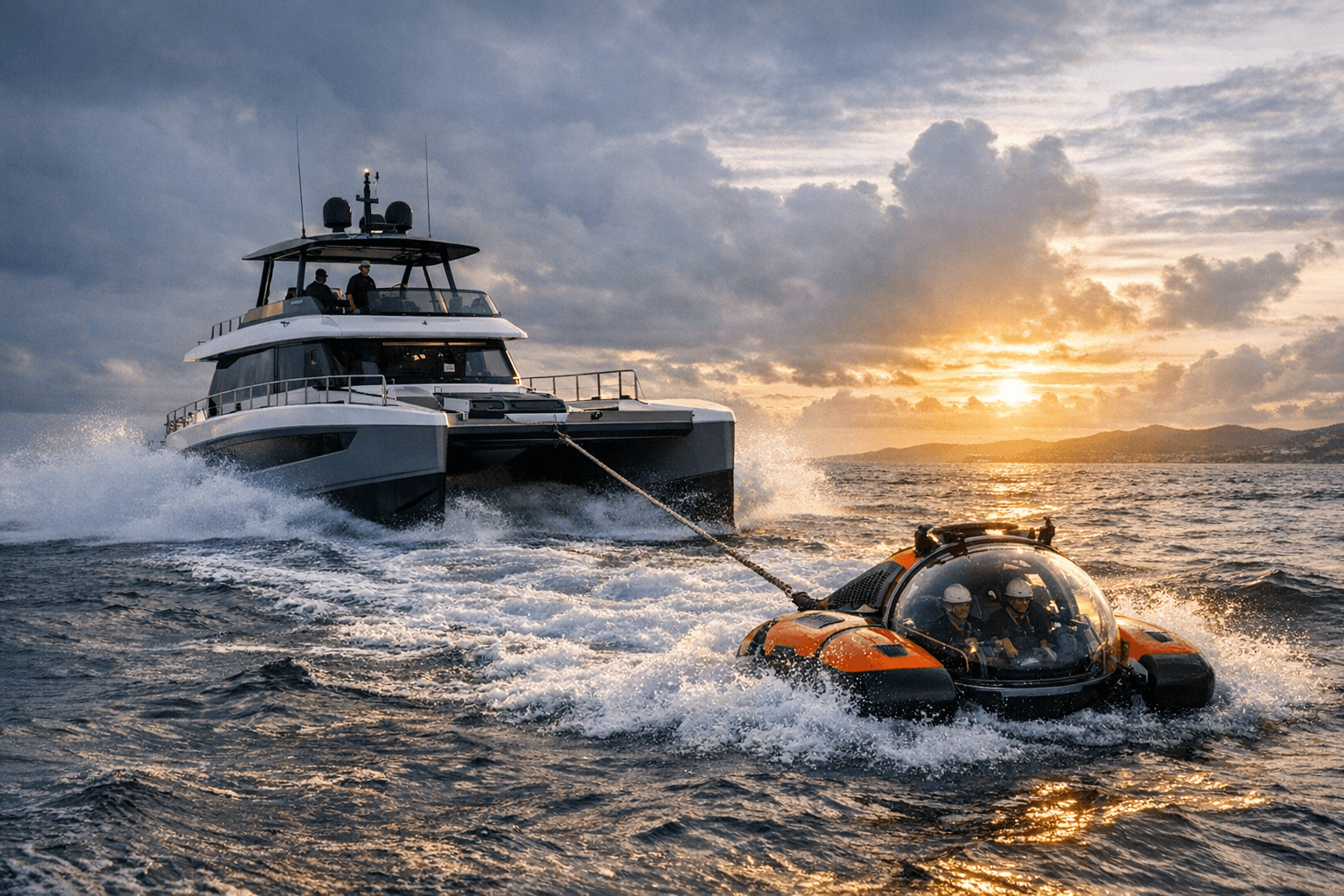
Project Zembra's 50-foot catamaran is just its tender, hitting 40 knots solo and 20 while towing a U-Boat Worx submersible rated to nearly 1,000 feet.
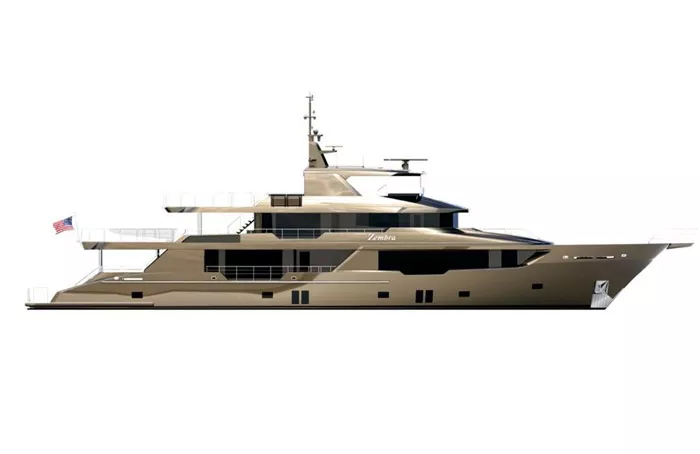
A 50-foot waterjet-powered catamaran serving as the sub-tender for a 46-meter explorer yacht sounds like a specification error. On Project Zembra, it is simply the logistics.
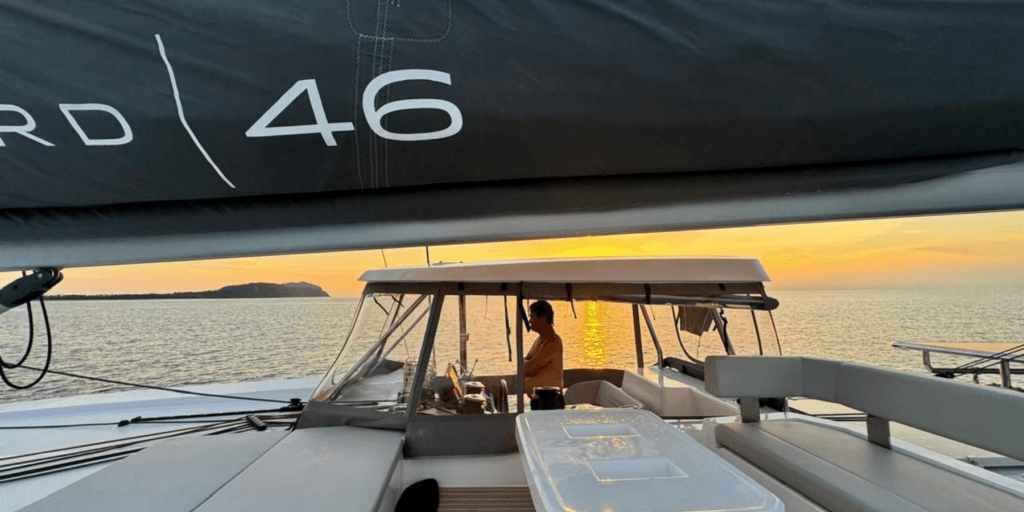
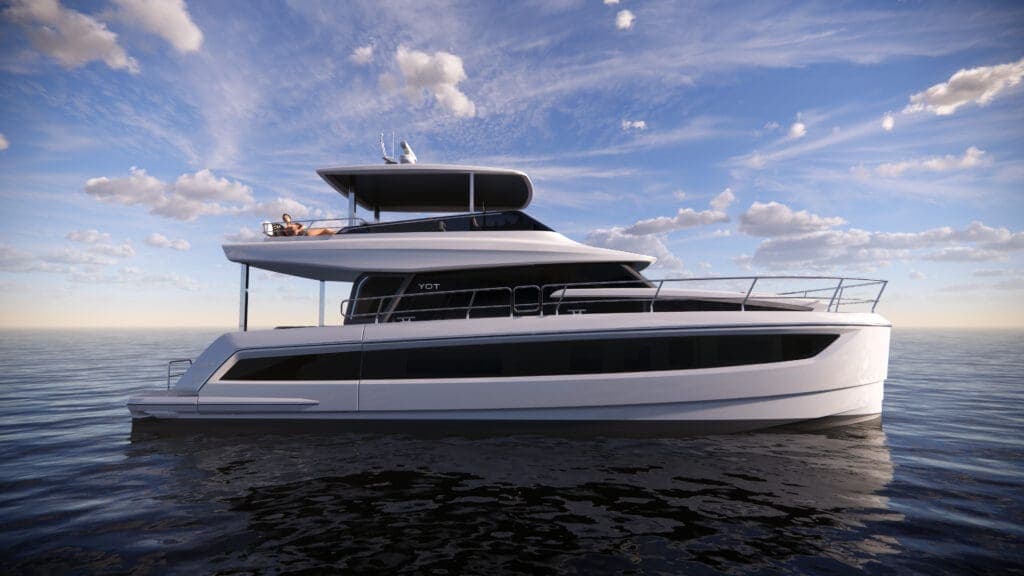
The custom Delta Marine build for owner Steven Thomas lists the catamaran among its support craft, where its primary job is carrying and deploying a U-Boat Worx three-person submersible rated to nearly 1,000 feet. In light configuration, without the sub aboard, the catamaran reaches 40 knots. With the submersible in tow, speed settles to roughly 20 knots, and the vessel still claims a 400-nautical-mile range under certain load profiles. Described in project materials as "quite the adventure vessel in and of itself," it is the piece of Zembra's equipment package that most clearly reframes what a tender is actually for.
The submersible, which already completed sea trials in Norway, deploys through a concealed stern gantry crane integrated into Zembra's structure. The catamaran sub-tender extends that system offshore, carrying the sub to dive sites and recovering it independently, without requiring the full-displacement mothership to reposition. When the submersible stays aboard Zembra, the catamaran runs as a fast dayboat, handling beach landings, shallow-water access, and nearshore exploration that a yacht drawing 10 feet of water cannot attempt.
The rest of the support fleet follows the same operational philosophy. A 21-foot Williams DieselJet tender, customized for wakesurfing and certified for 11 passengers, covers harbour runs and near-anchorage day trips. An Icon A5 amphibious aircraft handles locations where neither tender nor mothership can reach. Thomas, his wife, and their captain are all trained helicopter pilots, and a 3,500-pound boom crane on the bridge deck coordinates heavy deployment of the aircraft and submersible. A stern gantry crane handles the sub independently. Every element is engineered for extended, independent operation in remote anchorages with no shore infrastructure.
Thomas built Zembra explicitly around introducing his 12 grandchildren to some of the world's most remote destinations, with planned itineraries covering the South Pacific, Costa Rica, Panama, and Alaska. The yacht's five cabins include a full-beam master suite, a wheelchair-accessible guest cabin, and an elevator connecting all decks. Its angular full-displacement hull wears a metallic Arizona bronze finish drawn from an Aston Martin color reference. Zembra takes its name from an island off the coast of Tunisia, and once delivered it will be available for charter through Northrop & Johnson.
That catamaran tender is the detail that signals where the expedition superyacht segment is heading. Multihull craft are no longer arriving exclusively as primary yachts; in projects like Zembra, they are the mission layer that determines what depths, beaches, and dive sites the whole operation can actually reach. A vessel that tops 40 knots unloaded and holds 20 knots with a submersible in tow is not filling a traditional tender slot. It is expanding the definition of one.
This article was produced by Prism’s automated news system from verified source data, official records, and press releases, then run through automated quality and moderation checks before publishing. The system is built and supervised by the people who set the standards it runs under. Read our full AI policy.
Did this article answer your question?