Race For Water’s MODX 70 Ganany heads to Sardinia for seagrass mission
The zero-emission MODX 70 Ganany carried Éric Loizeau toward Sardinia and Naples, turning a catamaran into a seagrass science platform.
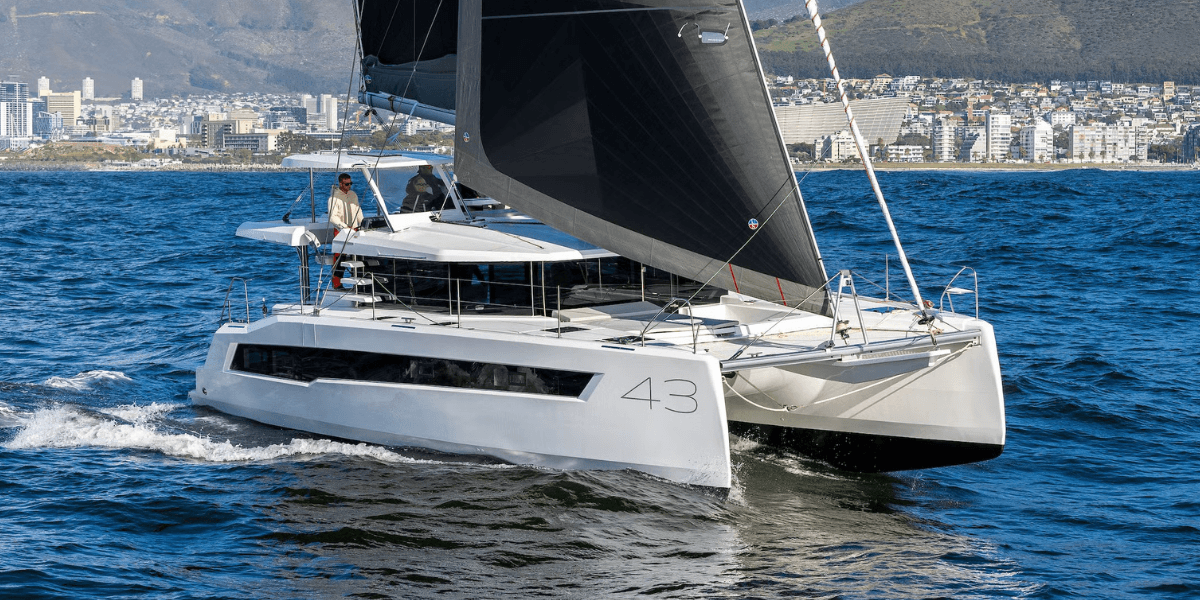
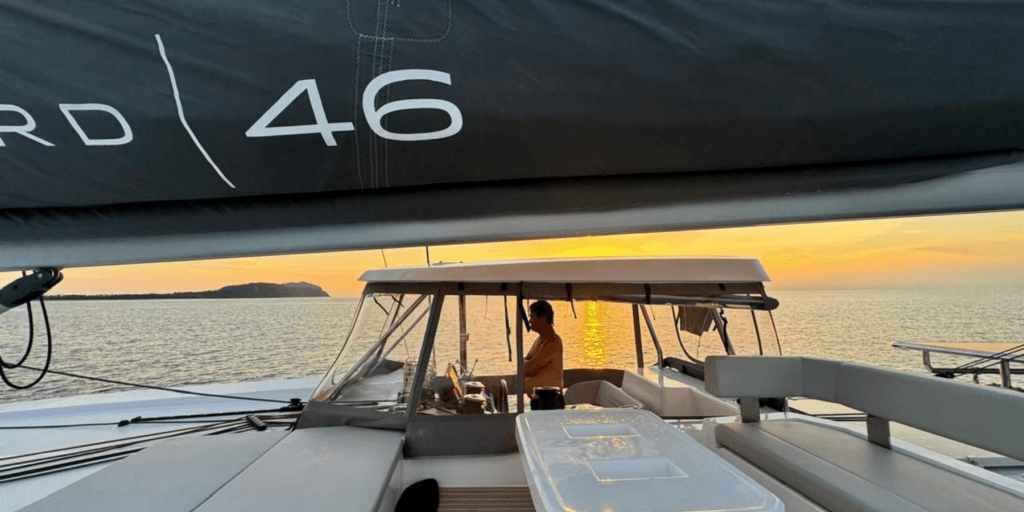
The zero-emission MODX 70 Ganany sailed again with a mission that was bigger than passage-making. Éric Loizeau and the Race For Water crew headed toward Sardinia and the Gulf of Naples on the second stage of a Posidonia campaign, using the 70-foot catamaran as a working platform for science, outreach, and low-impact expedition sailing.
Race For Water tied the voyage to its Ocean & Climate Odyssey, the long-running program set to continue through 2030. The new leg followed last year’s Posidonia Mission along the French coast, where the foundation used Ganany as a zero-pollution and zero-noise ambassador vessel. That 2025 campaign ran from May 9 to June 10, reached 13 sites, welcomed 250 people aboard, connected with 365 students, and included two stopovers.
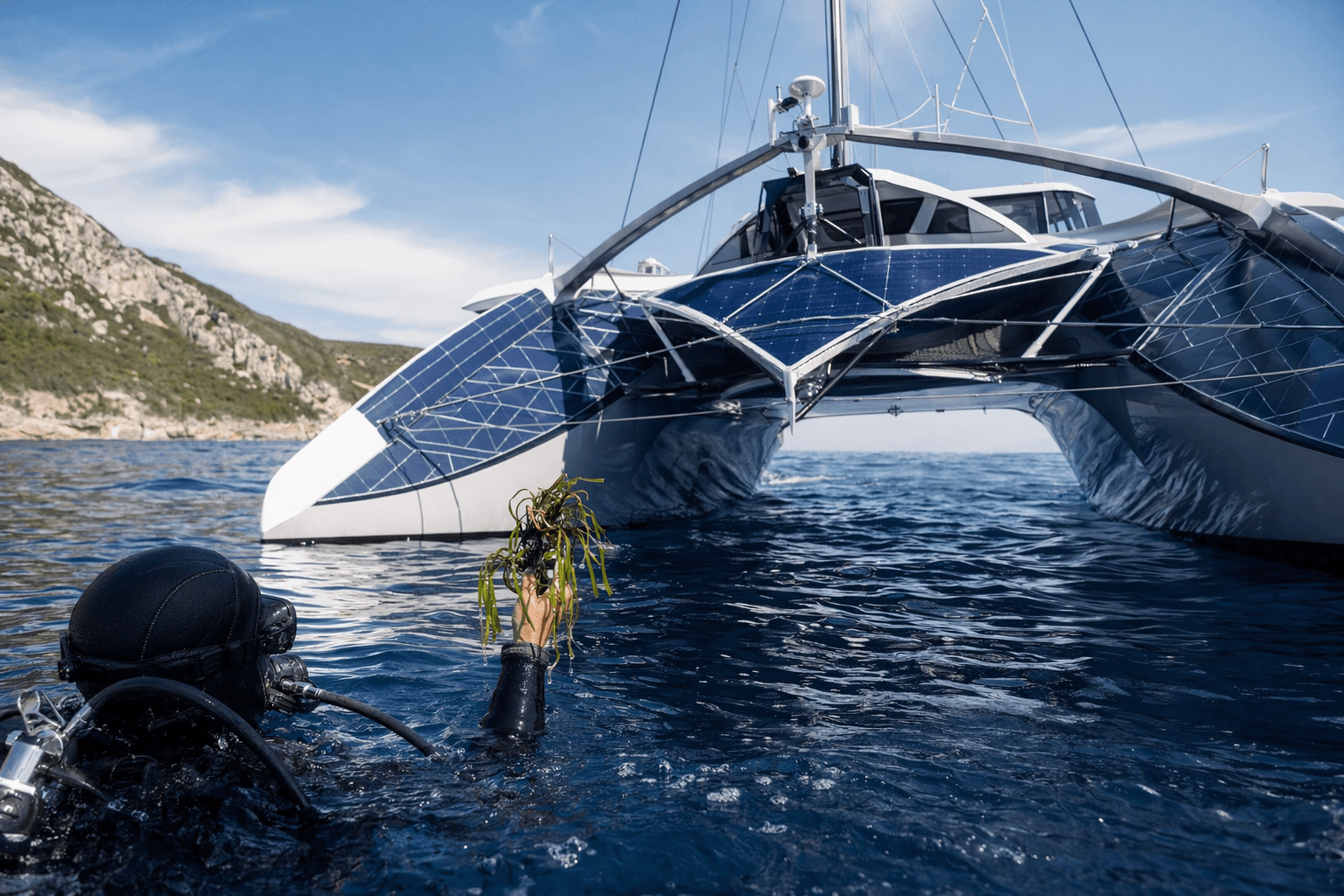
The point of the new run was not simply to log miles. It was built around Posidonia Connect, a project meant to improve and harmonize seagrass monitoring protocols in the Mediterranean, where Posidonia oceanica meadows face pressure from pollution, coastal urbanization, destructive fishing, anchoring, and climate change. The IUCN has described those meadows as key marine ecosystems and important carbon sinks, while also noting their role in protecting coasts from erosion. That protection is harder to preserve when the habitat itself grows so slowly: scientific guidelines put Posidonia oceanica’s average growth rate at roughly 100 to 1,000 centimeters per century.
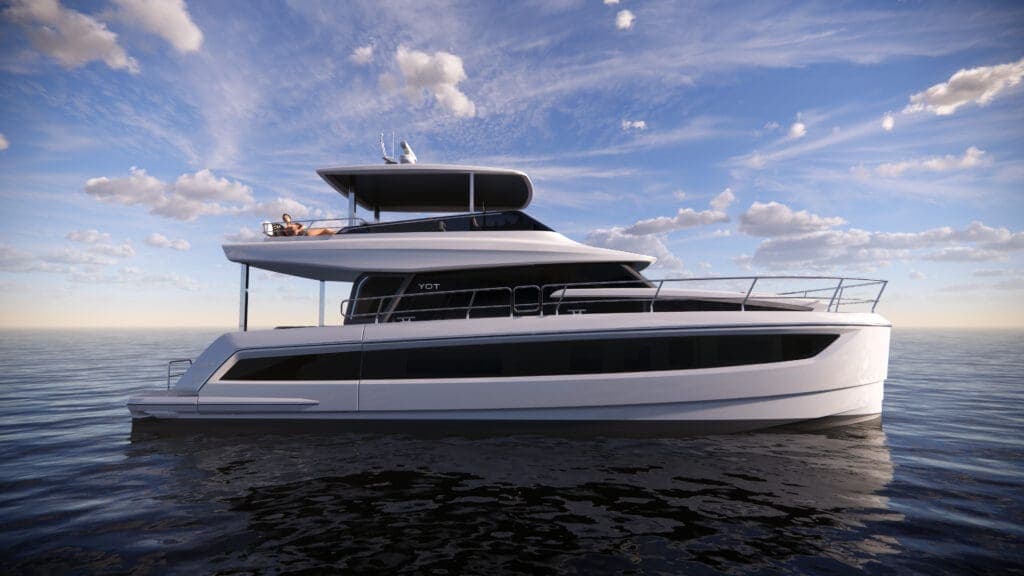
That is where Ganany becomes more than a headline boat. MODX describes the catamaran as a 70-footer equipped with wind propulsion, Aeroforce wings, electric propulsion, hydrogeneration, and 70 square meters of solar panels. An industry source says the production boat also carries a 250 kWh battery bank, a setup that gives the vessel the kind of energy autonomy needed for extended work at sea. In this mission, that autonomy mattered as much as range or comfort. The catamaran was serving as a floating base for fieldwork, education, and public-facing conservation.
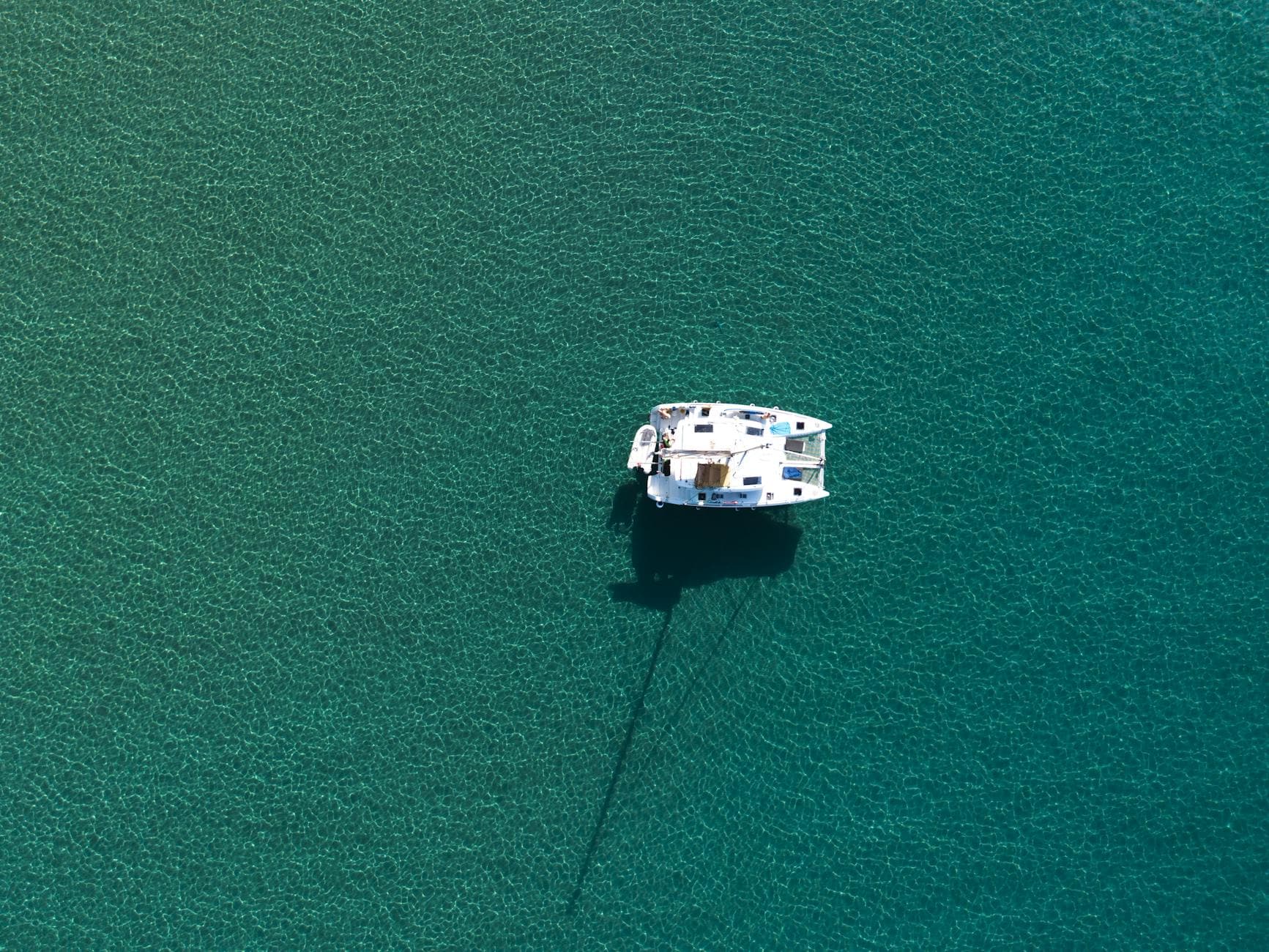
Loizeau, Race For Water said, has served as the foundation’s ambassador since 2014. The French sailor and mountaineer, who climbed Everest in May 2003, gave the project a recognizable face as it moved from coast-hugging advocacy to a broader Mediterranean circuit. The deeper story is not only that a catamaran made the trip, but that it did so as proof of concept: a multihull built to move cleanly, carry people, and support science in a region where better monitoring may be one of the most important tools left for protecting the seagrass beds below.
This article was produced by Prism’s automated news system from verified source data, official records, and press releases, then run through automated quality and moderation checks before publishing. The system is built and supervised by the people who set the standards it runs under. Read our full AI policy.
Did this article answer your question?