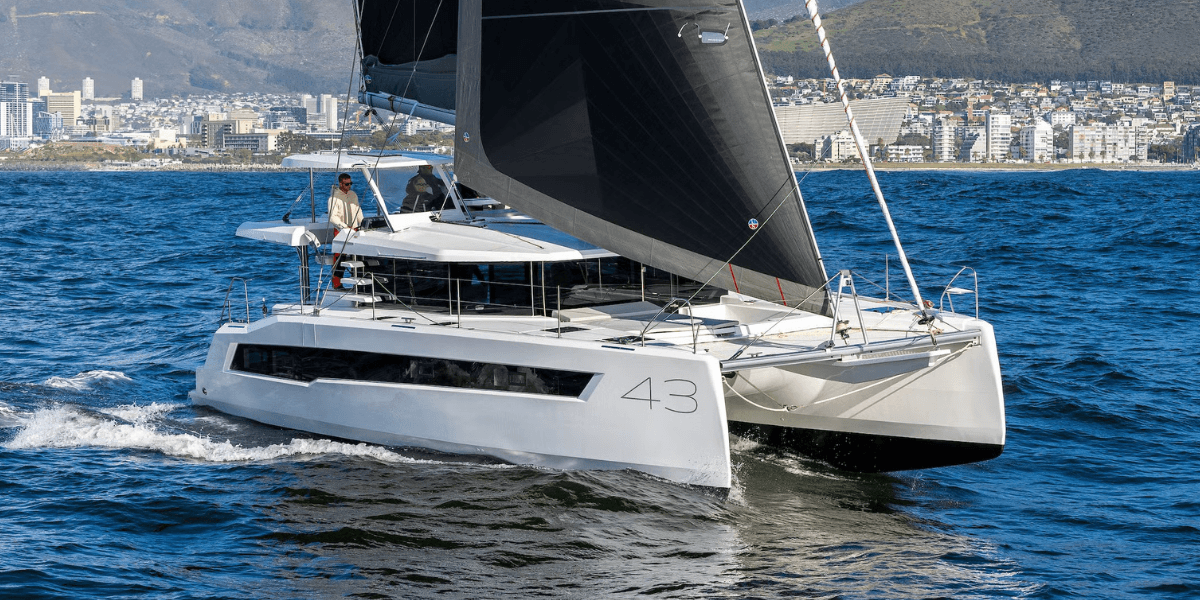
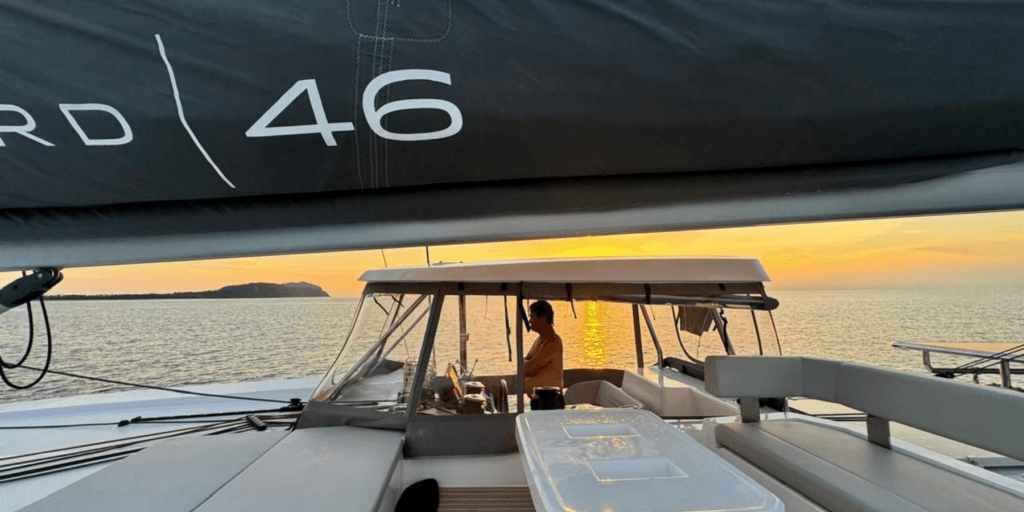
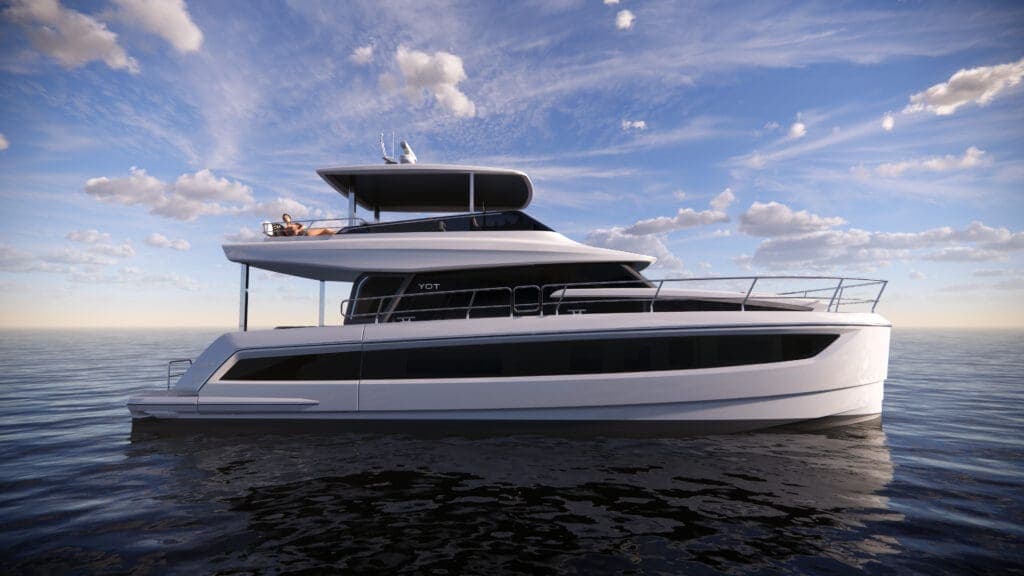
Excess 11 Debuts Recyclable Resin and 45% Recycled Fibreglass
Excess fitted the 11 with Elium recyclable resin and 45% recycled fibreglass, a world-first for a production catamaran that could change how cruising cats age out.
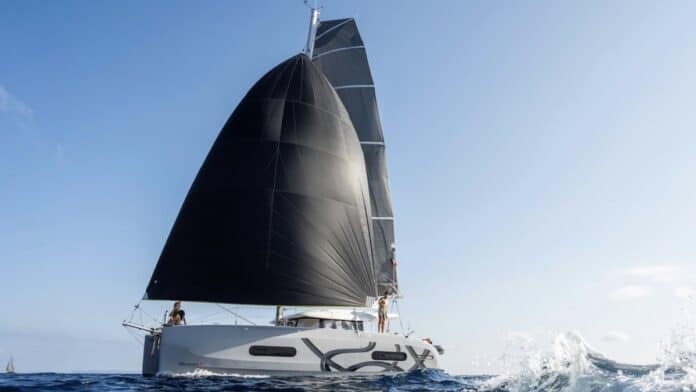
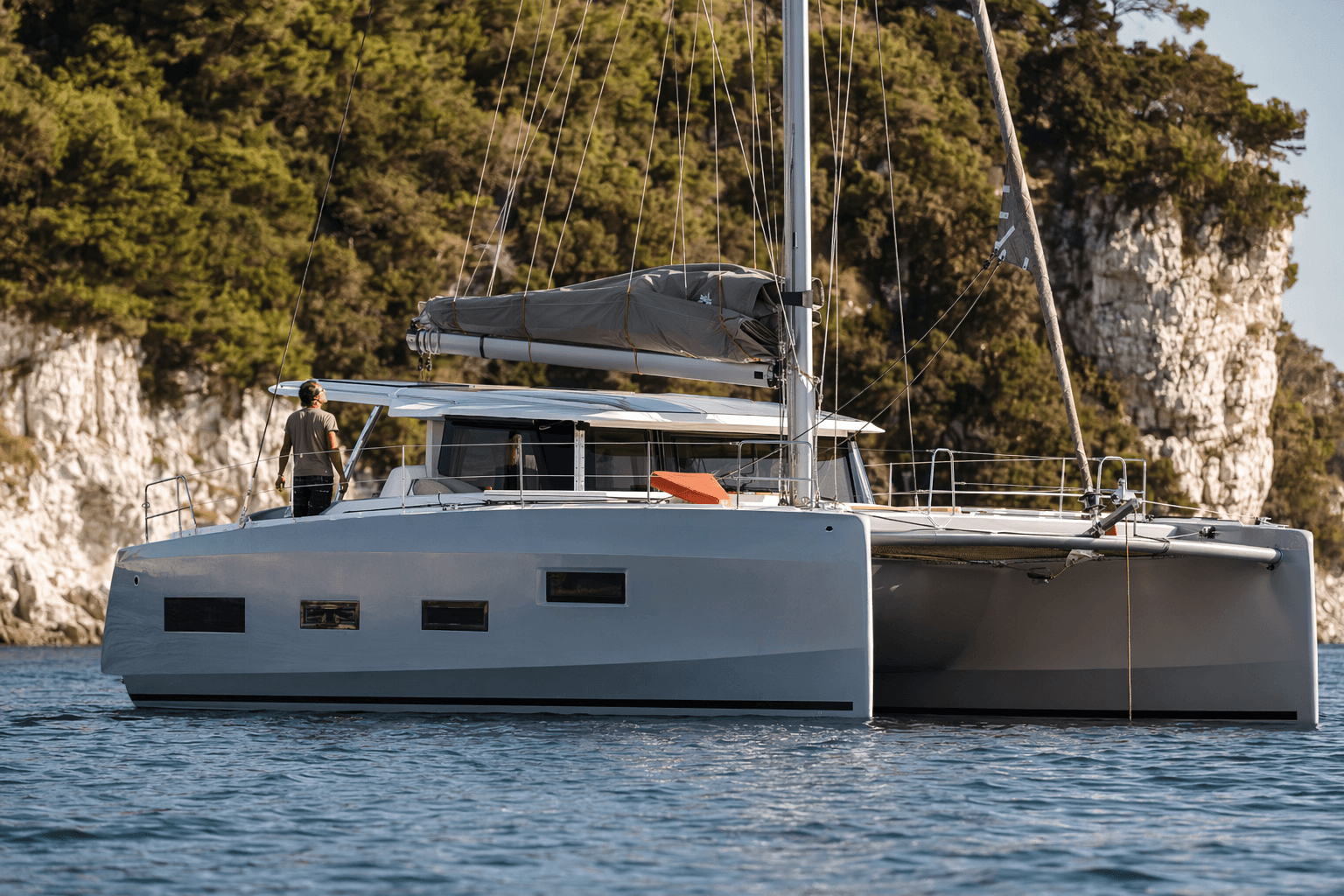
Excess Catamarans has turned its best-selling Excess 11 into the first production catamaran to combine Elium recyclable resin with 45% recycled fibreglass, and that is more than a sustainability slogan. On a 37-foot cruising cat that already sits as the only large-scale production boat in its size class, the material switch reaches the real world of ownership, service and eventual end-of-life, where most composite boats still become a disposal problem rather than a recoverable asset.
That matters because the Excess 11 is not a one-off concept hull. Launched at boot Düsseldorf in January 2020, it became the boat that shaped the brand’s identity and, by February 2024, had passed 200 units built. Excess later described it as its best-selling model, with more than 200 sold since launch. Putting a recyclable-resin package on that platform makes the project far more significant than if it were hidden on a niche prototype. If the process can work on a high-volume cat, it can influence how rival cruising cats are specified, built and eventually broken down.
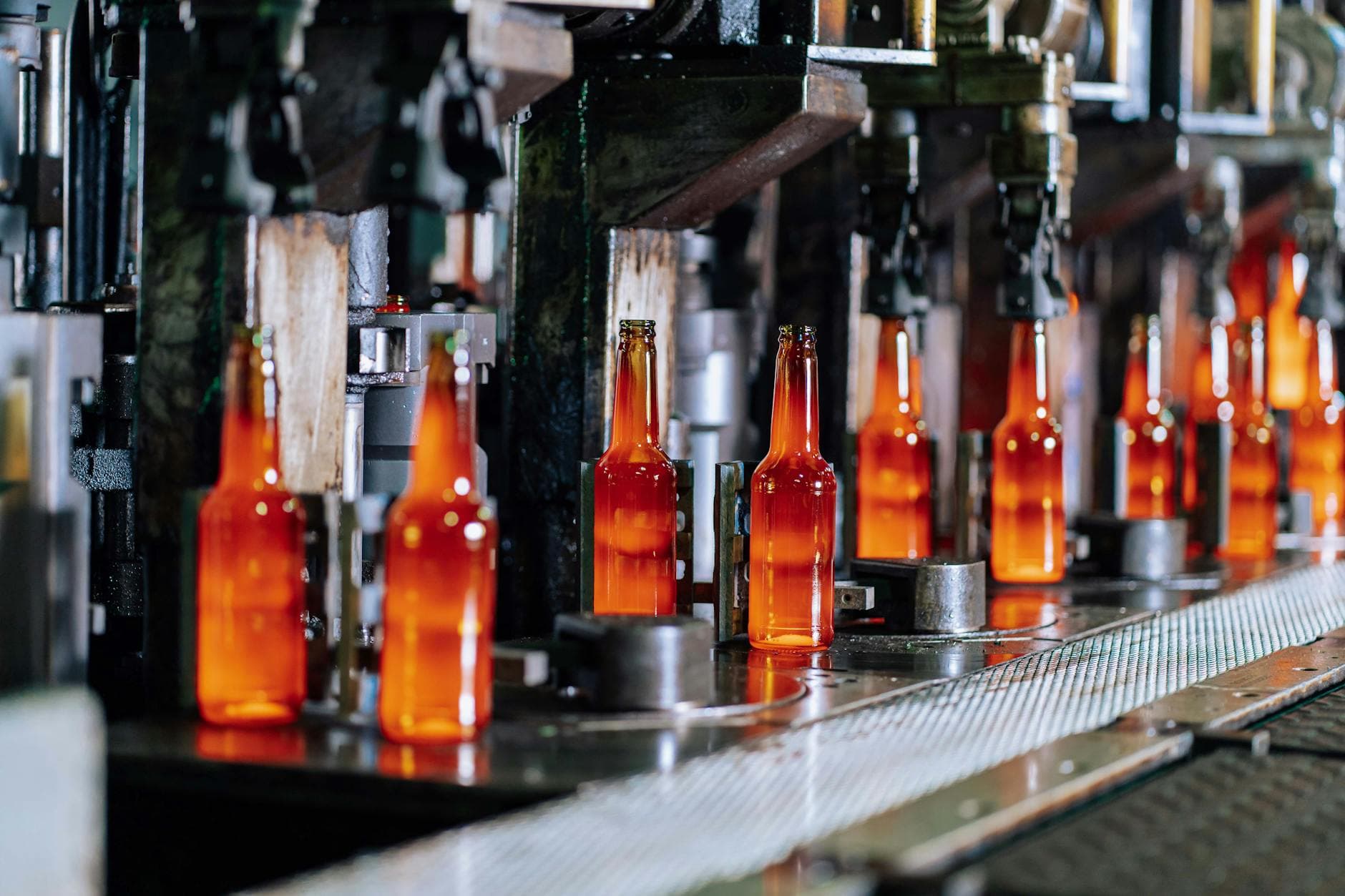
The technical core is Elium, Arkema’s liquid thermoplastic resin for composite applications. Unlike the standard thermoset construction still common across much of the cruising-cat market, Elium is designed so composite parts can be recycled through mechanical or chemical processes. Arkema says the recovery process can reclaim both resin and fibres for reuse in new parts and even new boat hulls. Excess paired that resin with 45% recycled fibreglass and says the combination was developed through several years of collaboration, including with offshore racing teams and the Beneteau Group innovation team, to prove the materials can stand up to marine loads and industrial production.
The alliance behind the project is wider than one builder. Arkema, Veolia, Composite Recycling, Owens Corning and Chomarat all sit in the chain, covering material development, part manufacture, waste collection, recycling and reuse. Composite Recycling’s pyrolysis technology is central to the loop, allowing fibreglass and resin to be recovered and fed back into new production cycles. That is the practical payoff owners should care about: less dead-end waste at the end of the boat’s life, without giving up the performance and reliability expected from a modern cruising cat.
The project also comes with industry validation. The same circular-composites alliance won Metstrade’s 2025 Sustainability Project of the Year award, with 250 industry leaders at the Boat Builder Awards event. It builds on earlier Beneteau Group moves too, including the Oceanis Yacht 60, described as the group’s first mass-produced sailboat made with Elium, and the First 44E, presented in 2022 as the first production boat built with Elium recyclable thermoplastic resin and a hybrid engine. For Excess, the message is clear: the future of production cats is not just lighter, faster or more comfortable, but built with an eye on what happens when the boat finally leaves the water.
This article was produced by Prism’s automated news system from verified source data, official records, and press releases, then run through automated quality and moderation checks before publishing. The system is built and supervised by the people who set the standards it runs under. Read our full AI policy.
Did this article answer your question?