SailGP Pushes Gender Equity Forward as Female Athletes Shape Season 6
Martine Grael made history as SailGP's first female driver and won a fleet race in New York — now the league is targeting two women per team by 2030.
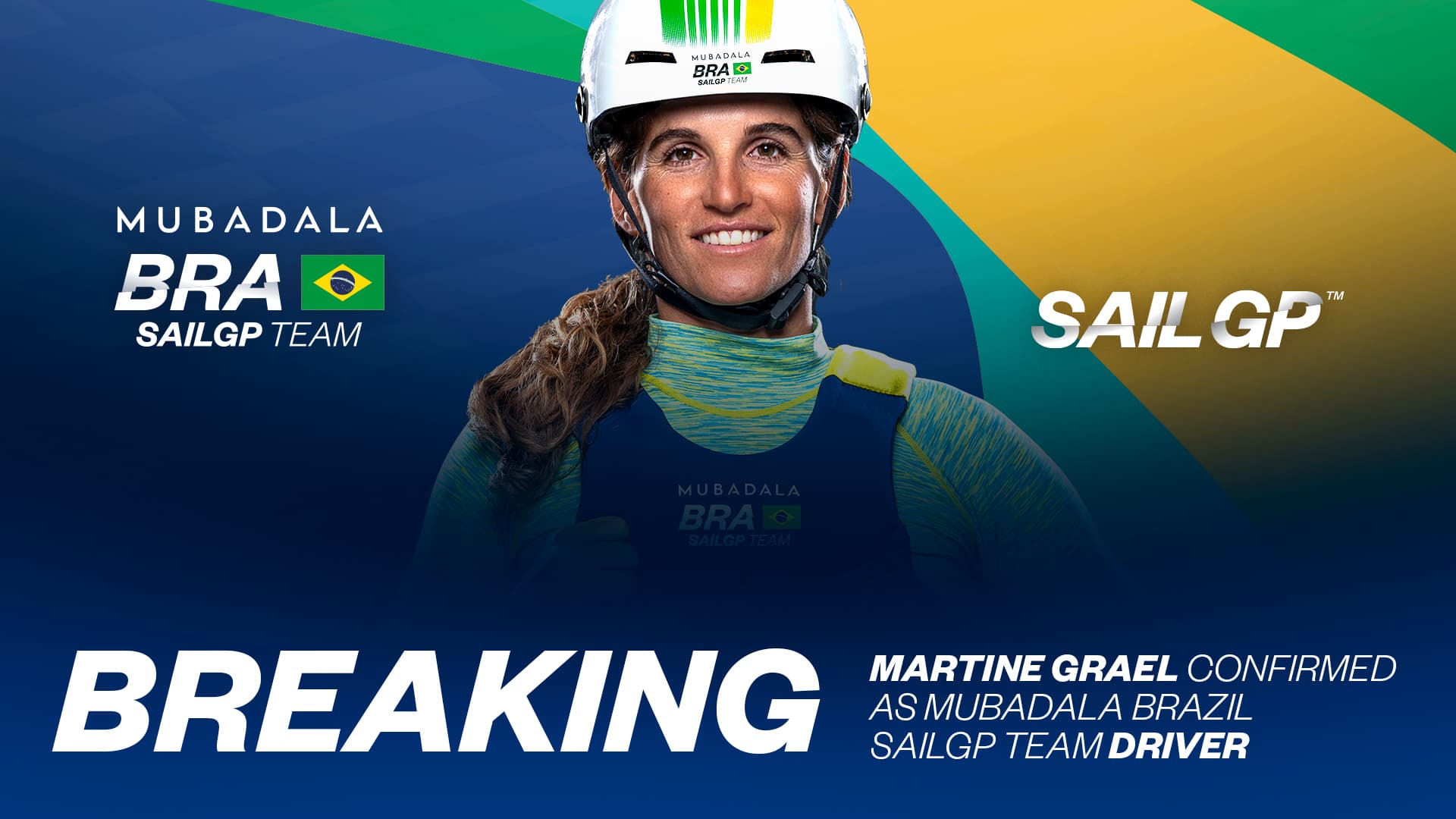
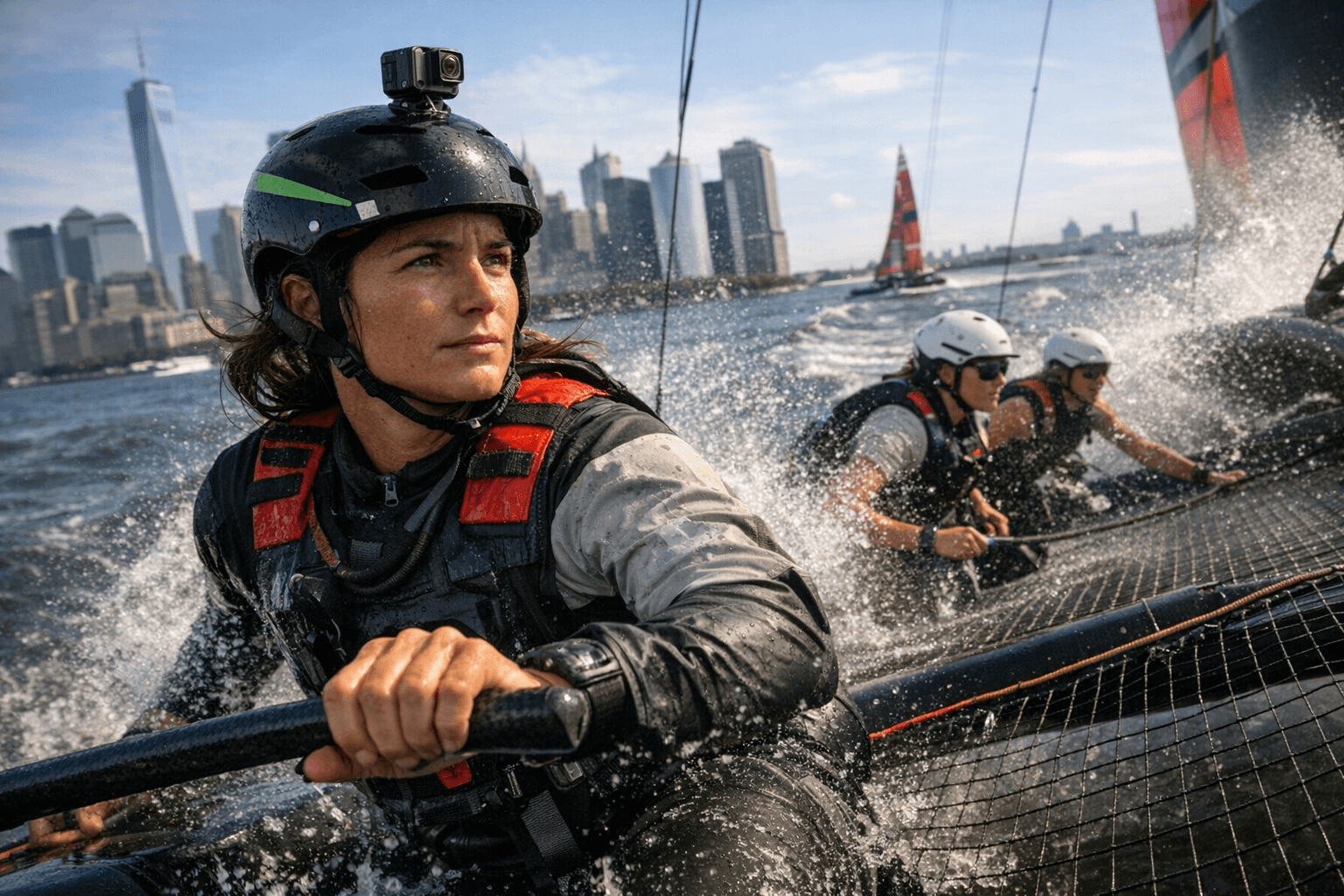
Brazilian Olympic champion Martine Grael taking the helm of the Mubadala Brazil SailGP Team and winning a fleet race in New York during the 2025 season wasn't just a personal milestone. It was, according to the league's own reporting, a historic moment for gender equality in elite sailing — one that signals where SailGP is pointing itself as Season 6 continues.
SailGP published a feature on March 7, 2026 titled "Breaking boundaries: how SailGP's female athletes are pushing the sport forward," arriving alongside the league's 2025 Season Purpose & Impact Report. The timing is deliberate. Grael's breakthrough sits at the center of a broader institutional push, and the numbers behind the scenes suggest this isn't optics — it's infrastructure.
What SailGP is, and why the gender conversation matters here
For anyone still getting familiar with the format: SailGP was co-founded in 2018 by Oracle founder Larry Ellison and champion yachtsman Russell Coutts. The league runs 12 international teams on 50-foot foiling catamarans called F50s, which reach speeds of more than 60 mph. It has earned the shorthand "Formula 1 on the water," and that comparison holds up in more than just speed. Like F1 in its early diversity conversations, sailing has historically been a sport where women operate at the margins of the elite level. Grael's fleet race win in New York is the most visible crack in that pattern so far.
Elite sailing has long been a discipline where women account for a small proportion of competitors at the top level. That context is what makes SailGP's formal commitment so pointed: the league has set a target of ensuring every team includes at least two female athletes in key racing roles by 2030.
Martine Grael and the 2025 season milestone
Grael, a Brazilian Olympic champion, became SailGP's first female driver when she took the helm of the Mubadala Brazil SailGP Team during the 2025 season. Winning a fleet race in New York in her debut season put a result behind the headline, which matters in a sport where credibility is built on boat speed and finishes, not press releases.
SailGP Managing Director Andrew Thompson framed the season plainly: "The 2025 season represented a standout year for SailGP and its partners — one where ambition turned into action and performance, impact and commercial growth lived side by side."
That phrase, "ambition turned into action," is the lens through which the league is presenting its 2025 Season Purpose & Impact Report. The report covers progress across three pillars: clean energy, gender equity, and youth engagement. Grael's debut is the headline gender equity moment, but the structural work running underneath it is where the long-term story lives.
Building the pipeline: programmes, apprenticeships, and the 2030 target
SailGP has expanded its Women's Performance Programme and broadened leadership initiatives designed to create inclusive pathways into high-performance sailing both on and off the water. These aren't passive measures — the league has built workforce development into its technical operations.
SailGP Technologies, based in Southampton, U.K., runs an apprenticeship training scheme that takes eight participants per year, split evenly: four male and four female. That 50/50 structure at the entry level of the organization's technical arm is one of the more concrete signals that the pipeline work is intentional. Operations, technology, and boat-building have traditionally been male-dominated domains within professional sailing, and the Southampton apprenticeship is a direct intervention in that pattern.
At the senior end of the organization, the league introduced Apex Group's accelerator program, aimed at increasing female representation at senior levels of the company. The internal diversity numbers that have followed are worth sitting with: 33% of directors at SailGP are female, 52% of heads of departments are female, and 43% of the C-suite is female. That last figure is up from just 14% in 2021. For context, McKinsey's Women in the Workplace 2024 report found that 29% of C-suite roles at Fortune 500 companies are held by women — SailGP is running well ahead of that benchmark.
The 2030 target, requiring at least two female athletes in key racing roles per team, is the on-water version of the same structural ambition. It gives teams a concrete threshold to build toward rather than a vague diversity aspiration, and the Women's Performance Programme is the mechanism for producing the athletes capable of filling those roles competitively.
The fan side: New Zealand and the audience shift
The gender equity push is also reshaping who shows up at events. For the first time in SailGP's history, more than half of the ticket holders at last season's New Zealand Championships in March were female — and that trend has held steady into the current season. That is not a trivial statistic for a league building its commercial model around live event attendance and broadcast growth.
SailGP Chief Marketing Officer Leah Davis connects the dots between the league's impact strategy and its fan base in precise terms: "That changes the mindframe of very competitive people to care, and to compete, in a world of impact and sustainability as well. When you challenge the world's most competitive people to be good at something else, they will turn their eyes to that pretty quickly, and in a pretty impactful way."
The implication is that the competitive instinct elite sailors already have — the drive to win — gets redirected when the league frames sustainability and gender equity as performance categories too. It's a smart organizational design insight, and it appears to be bearing out in the demographic data from the grandstands.
Where this sits in the broader mixed-gender sport moment
SailGP isn't operating in isolation. CNBC has noted the league alongside the United Pickleball Association's unified league and the Global Mixed Gender Basketball league as examples of professional sport formats where male and female athletes are competing alongside and against each other. That's a meaningful cluster — it suggests a structural shift in how some leagues are approaching competition formats, not just diversity hiring targets.
In sailing specifically, the F50 format puts the premium on crew coordination, tactical decision-making, and physical conditioning rather than raw strength alone. That design reality matters for gender integration at the performance level, and it's part of why SailGP's format is better positioned for this shift than many traditional sailing circuits.
The road to 2030
The 2030 target for two female athletes per team in key racing roles is four years out. The apprenticeship programme in Southampton, the Women's Performance Programme, the Apex Group accelerator, and the C-suite numbers all represent the scaffolding being built to reach it. Grael's fleet race win in New York is the proof-of-concept moment that the performance level is already there when the opportunity exists.
The 'Better Sport' strategy, as SailGP describes it in the 2025 Season Purpose & Impact Report, treats gender equity as a measurable output alongside clean energy and youth engagement. That framing is significant because it means the league is holding itself accountable to reported metrics rather than aspirational language. The next milestones to watch are straightforward: additional female drivers across the fleet, further fleet race victories, and whether the New Zealand Championships audience trend extends to other venues on the Season 6 calendar.
This article was produced by Prism’s automated news system from verified source data, official records, and press releases, then run through automated quality and moderation checks before publishing. The system is built and supervised by the people who set the standards it runs under. Read our full AI policy.
Did this article answer your question?