Solo Trans-Tasman multihulls battle 50-knot gusts on first night
Fifty-knot gusts on night one turned the Tasman into a survival test, even as Oceans Tribute and Electron held pace on the first leg to Queensland.
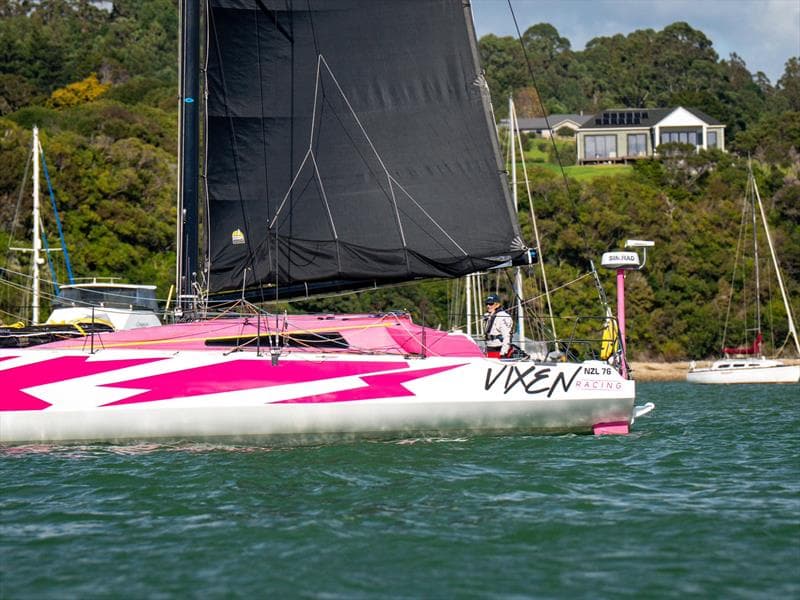
Fifty-knot gusts hit the Solo Trans-Tasman Challenge on its first night and instantly sorted the fleet into two groups: those still moving and those already fighting the sea. In a race that rewards light boats and sharp judgment, the opening hours across the Tasman Sea were less about leaderboard theater than about keeping a solo multihull in one piece.
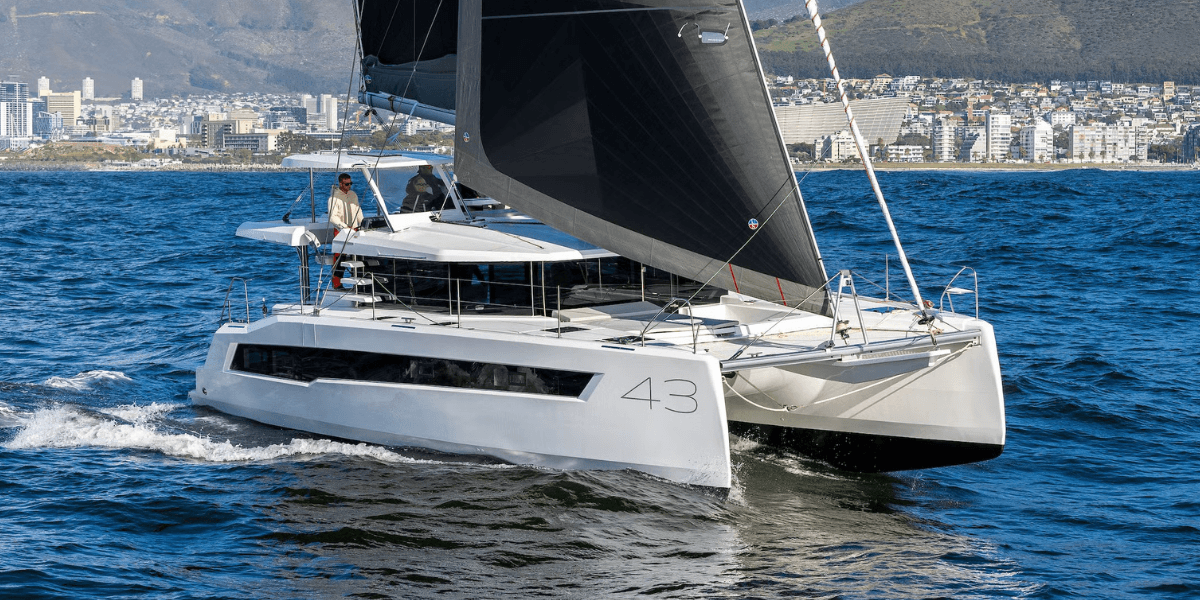
Race leader Oceans Tribute, a 13.85-meter Lock Crowther multihull sailed by Gary Chester of Australia, had already cleared the Three Kings Islands and was about 30 nautical miles off North Cape after roughly 11 hours at sea. Even then, it was still making 12.5 knots, a reminder that offshore multihulls only pay off when the skipper can keep the platform loaded without overdriving it. James Foster’s Electron, a Mumby 48, sat second and was still moving at 11.2 knots through a breeze averaging 19 knots and gusting to 30, with the rest of the fleet steeling itself for at least one more rough night.

The race began at noon on 30 May from Opua Cruising Club, the first time the start has ever been held there. Seventeen solo sailors set off on the 1,170-nautical-mile run to Southport Yacht Club on Queensland’s Gold Coast, and the live tracker kept every move visible through Yellow Brick satellite positions. This is a four-year event, and its history underlines how far it has come: the first Solo Trans-Tasman race drew five entries, with sailors from New Zealand, Australia and the United States.
Before the start, PredictWind meteorologist Arnaud Monges warned of a low-pressure system over the Tasman and strong northeast winds near Cape Reinga. Those forecasts were not abstract by the time the fleet got offshore. Reports from the opening night said some sailors saw gusts above 50 knots, and the race quickly turned into an endurance exam for sail handling, route choice and nerves, not just speed.
The most serious moment came when Graeme Francis activated his EPIRB after a leak, drawing Maritime NZ’s Rescue Coordination Centre into the response before the situation was later scaled back. Malcolm Dickson, the 2023 winner, was among the veteran returnees still pushing through the same ugly opening stretch. For the fleet, that first night answered the core question of offshore multihull racing in the Tasman: speed matters, but survival comes first when the gusts arrive and the dark closes in.
This article was produced by Prism’s automated news system from verified source data, official records, and press releases, then run through automated quality and moderation checks before publishing. The system is built and supervised by the people who set the standards it runs under. Read our full AI policy.
Did this article answer your question?