Whisper 50 electric catamaran targets quiet cruising and solar-assisted range
Whisper Yachts' 50 is a real-world electric catamaran, built for quiet coastal cruising, solar-assisted hotel loads, and a slower, more usable rhythm aboard.
A quieter kind of cruising
The Whisper 50 does not try to win the argument with speed. It makes its case by sounding like the future of day-boating and coastal cruising, then behaving like a practical 15-metre catamaran that owners can actually live with. BOOTE’s review places it squarely in the emerging e-cat segment, where the promise is not headline performance but calmer operation, cleaner running, and a more measured onboard rhythm.
That matters because the electric boat conversation has moved past novelty. The Whisper 50 is being framed as a usable yacht for people who want comfort, decent autonomy, and less noise at sea and at anchor. In other words, it is a reality check on electric cruising: not a concept sketch, but a boat that asks whether electric propulsion is already good enough for the habits owners really have.
A platform built for function, not drama
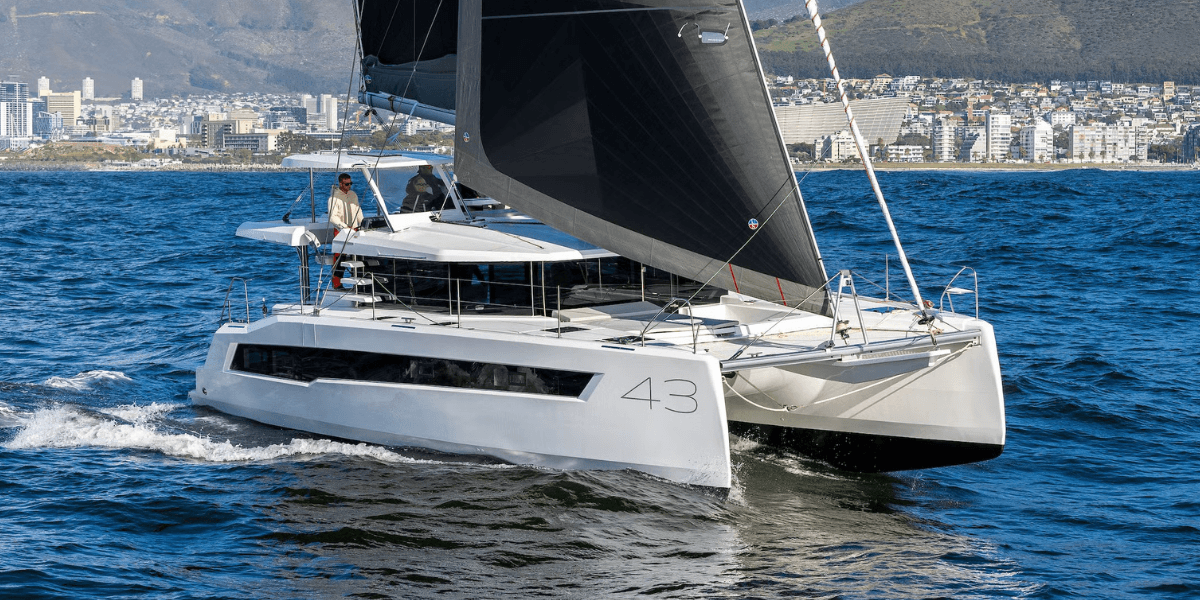
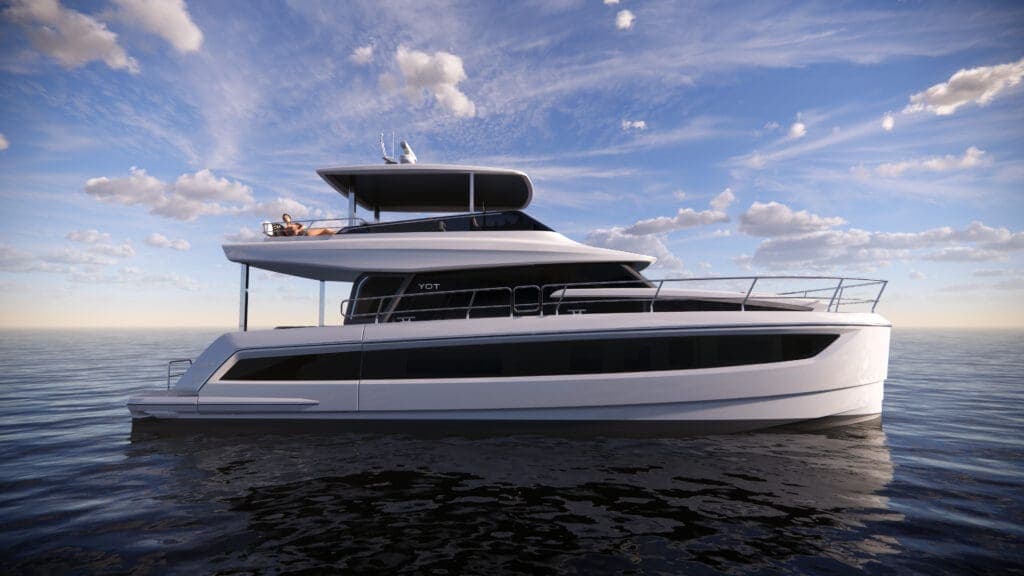
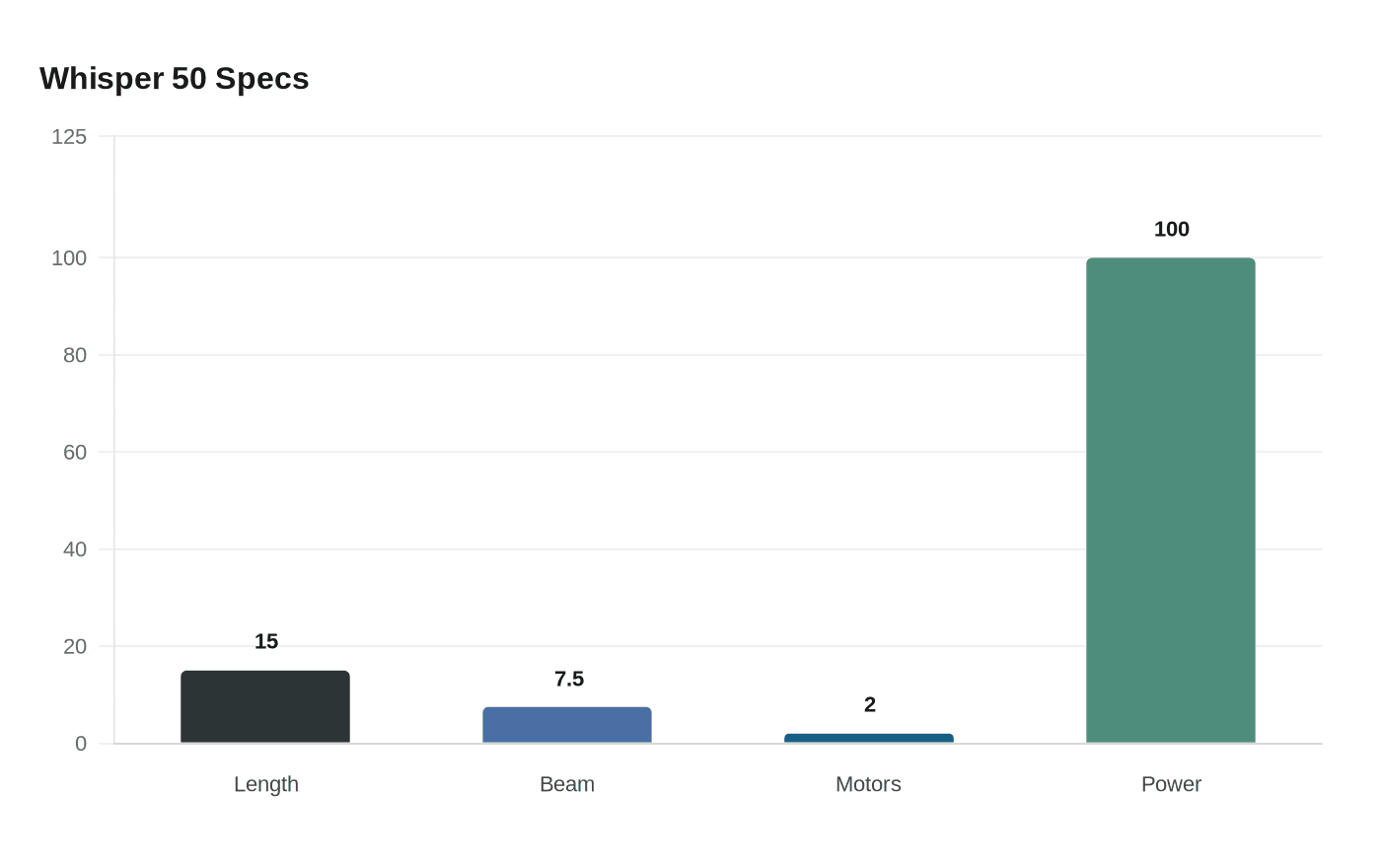
At around 15 metres long and 7.5 metres wide, the Whisper 50 has the broad-shouldered stance expected of a multihull. The proportions give it the room and stability buyers want from a cruising catamaran, while the profile stays sober and efficient rather than aggressively styled. BOOTE describes the visual impression as purposeful, with a clearly defined superstructure and large wheelhouse windows that support visibility and a user-friendly layout.
That look tells you a lot about the boat’s intent. The Whisper 50 is not chasing the visual excess that sometimes accompanies new propulsion technology. Instead, it presents itself as a functional catamaran first, with electrification folded into a platform that already makes sense for relaxed family cruising, owner use, and longer stays aboard.
Electric propulsion as the main event
The heart of the Whisper 50 is its propulsion package: two electric motors of around 100 kW each, supported by a lithium battery pack and solar panels on the roof. A hybrid version is also available, which gives the concept more flexibility for owners who want electrification without committing to a strictly battery-led routine. That combination is the core of the boat’s appeal, because it shifts the conversation from fuel burn to how the yacht is actually used day by day.
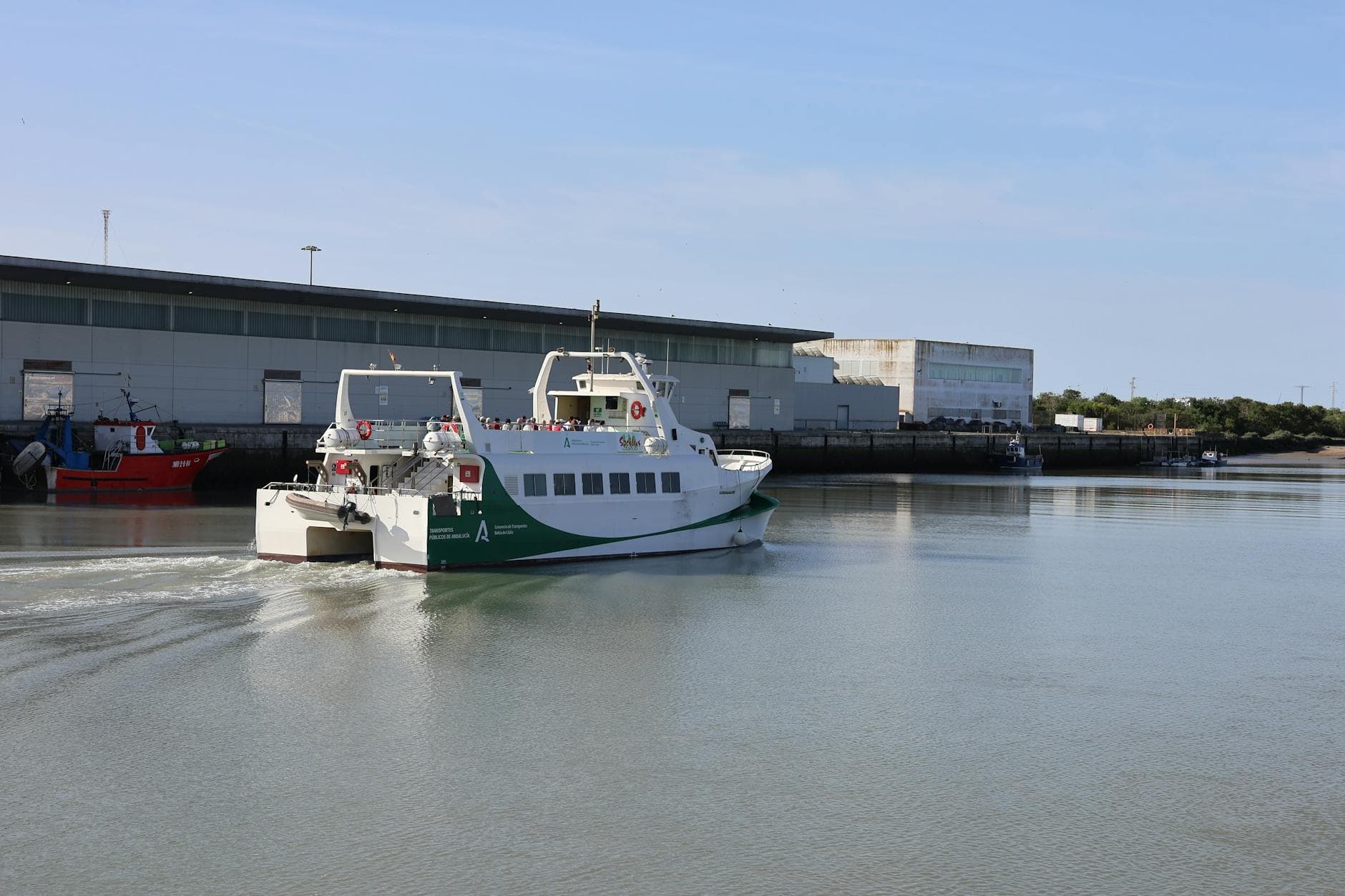
BOOTE makes clear that the goal is not maximum speed. The Whisper 50 is designed for low-emission, low-noise operation, with enough range and flexibility for relaxed coastal cruising or lifestyle ownership. Its cruising speed sits in the lower double-digit knot range, while top speed is around 14 to 15 knots depending on load and configuration. That is a meaningful reality check: this is not an electric rocket ship, but a quiet cruiser that trades speed for usability.
What solar changes onboard
The solar array on the roof is one of the defining features of the concept. It is intended to cover a significant share of hotel loads when the yacht is sitting at anchor or functioning as a floating home. That detail is important because it points to the real advantage of electric cruising: not only moving silently, but also living aboard with less generator dependence and fewer interruptions to the boat’s natural quiet.
For owners, that changes the rhythm of a trip. The Whisper 50 appears built around the idea that a lot of time is spent not at full throttle, but at rest, drifting, anchored, or moving modestly between short coastal legs. If the solar system can meaningfully support onboard life in those moments, then the boat becomes less dependent on the marina for every small comfort and more capable of self-sustained cruising.
How the layout supports daily use
Below deck, the Whisper 50 keeps to a classic catamaran formula. The main deck carries a wide saloon, while the cabins sit in the hulls, preserving the separation and privacy that make powercats and sailing cats so attractive as liveaboard platforms. Depending on the version, there are three or four cabins, along with separate heads compartments.
The flybridge adds another layer of livability, bringing more living space and a second covered steering position. That matters in practical terms because it gives owners a choice between open-air helm use and sheltered control, which suits changing weather and different cruising habits. The layout reinforces the boat’s everyday usability: comfortable in port, comfortable at anchor, and set up for easy movement between social space and private quarters.
Why this matters for the electric catamaran market
The Whisper 50 is important because it normalizes electric multihulls instead of turning them into special-purpose showpieces. BOOTE’s framing is especially useful here: the boat is not being sold as a futuristic science project, but as a practical yacht for owners who want comfort, quiet, and decent autonomy. That makes it relevant to the current market, where more buyers are willing to give up raw pace if they get cleaner, calmer cruising in return.
It also highlights the emerging split in the catamaran segment. Some owners still want maximum range and speed from conventional propulsion; others are looking for a boat that turns everyday use into a quieter, simpler routine. The Whisper 50 sits firmly in the second camp, and that is exactly why it stands out.
What owners are really buying
The practical value of the Whisper 50 lies in its operating philosophy. It suggests a cruising pattern built around moderate speeds, short coastal legs, and a strong preference for time spent at anchor or in familiar waters. The solar-assisted setup, the twin electric motors, and the optional hybrid version all support that same idea: a catamaran that is meant to be used regularly, not merely admired for its technology.
For anyone weighing the electric transition, that is the key question. The Whisper 50 does not ask whether electric boats can be impressive. It asks whether they can already be credible as real cruising yachts. On the evidence of its layout, propulsion package, and onboard logic, the answer is increasingly yes.
This article was produced by Prism’s automated news system from verified source data, official records, and press releases, then run through automated quality and moderation checks before publishing. The system is built and supervised by the people who set the standards it runs under. Read our full AI policy.
Did this article answer your question?