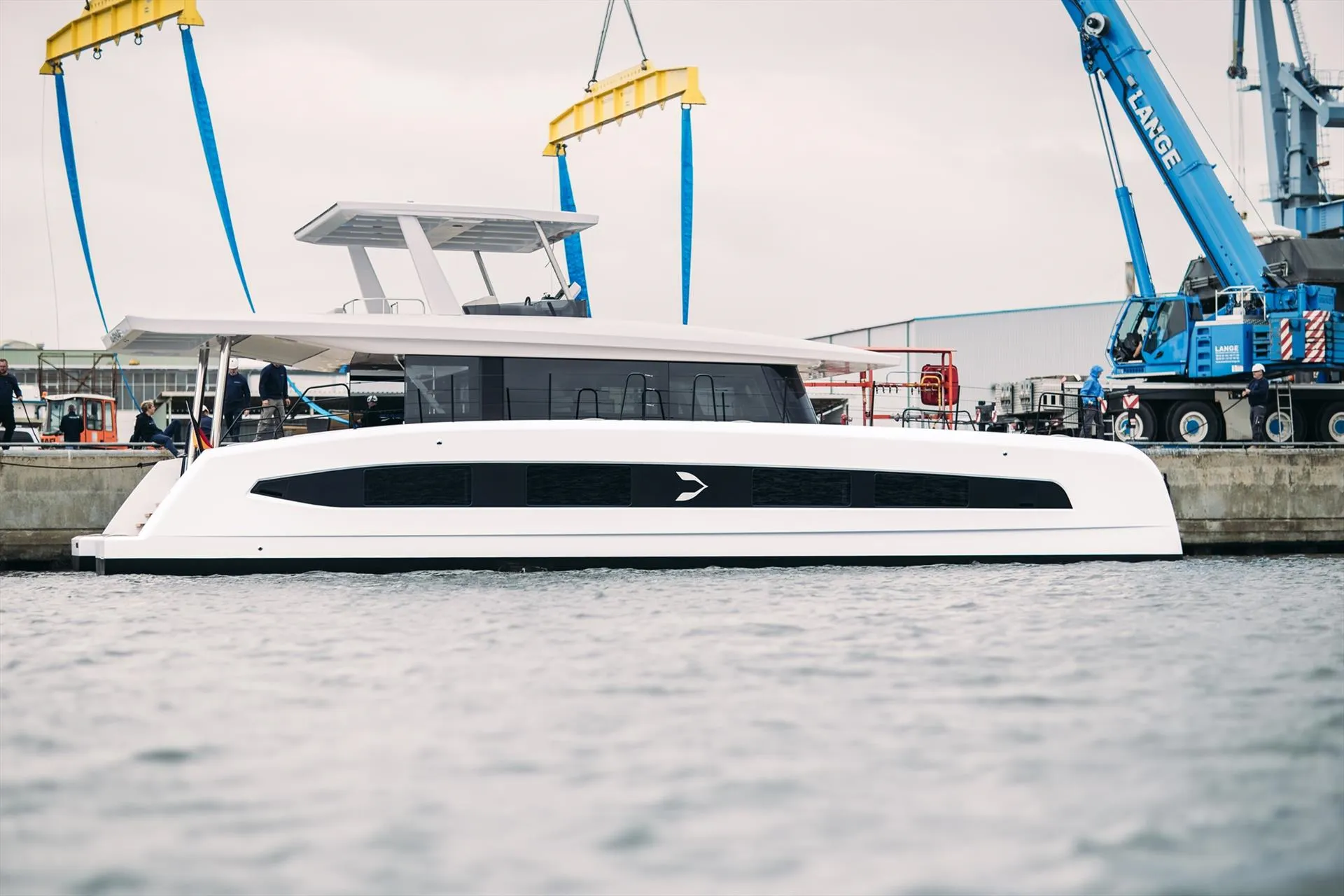
YachtBooker lists 800 catamaran charters for sailing holidays
YachtBooker's 800 catamaran listings turn chartering into a clear choice: bareboat for hands-on sailors, crewed for easier holidays, and a trial run before buying.

YachtBooker’s catamaran page turns a familiar holiday question into a sharper one: do you want to run the boat yourself, or let a crew handle the details? With 800 bareboat and crewed catamaran rentals on offer, the real value is not just availability, but the chance to match the boat to the way you actually travel. For cat-curious holidaymakers, that makes the listing page less like a catalogue and more like a test bench for future ownership.
Bareboat or crewed: the first fork in the road
The bareboat-versus-crewed split is the decision that separates a relaxed sailing holiday from a more involved one. A bareboat charter suits experienced sailors who want independence, while a crewed charter adds service, local knowledge, and convenience. That difference is the hidden threshold in catamaran chartering: the boat may look similar on paper, but the amount of hands-on work, planning, and decision-making changes the entire trip.
That is why the scale of YachtBooker’s offering matters. Eight hundred catamaran rentals gives travelers room to compare formats instead of settling for whatever is left. It also fits a market where bareboat and crewed charter are core categories, not side notes, and where the crewed charter segment alone generated USD 7,050.8 million in 2025 in one market overview. In other words, the service-heavy end of the market is not a boutique exception. It is a major part of how people choose to sail.
Why catamarans keep winning holidays
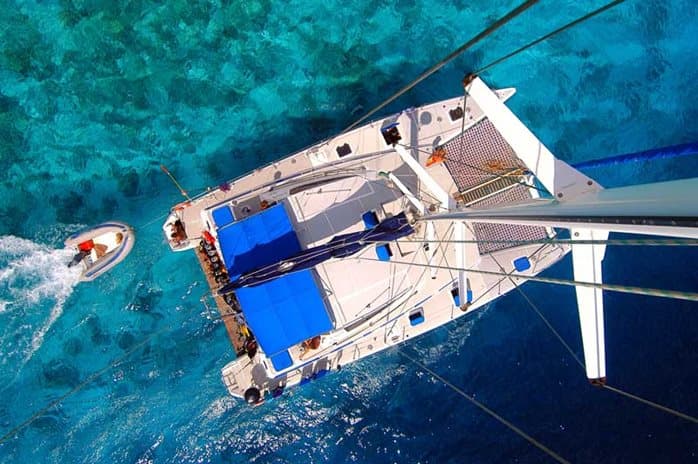
The reason catamarans dominate this conversation is simple: they solve the comfort problem that makes many travelers hesitate over sailing at all. Twin hulls bring stability, and the wider layout usually means more space than a monohull, more comfortable social areas, and easier movement around deck. That combination is especially attractive to families, groups of friends, and multi-generational crews who want to stay together without feeling crowded.
Independent charter voices keep returning to the same strengths. Practical Sailor described a catamaran as suitable for those seeking “space, ease of use and predictability,” while Boatbookings calls catamarans “comfortable, efficient, and green.” Those descriptions capture why the class keeps pulling in travelers who may not care about sail trim details but do care about whether breakfast, naps, and evening drinks feel relaxed instead of cramped.
Where the format makes the most sense
Catamarans are particularly easy to justify in places where shallow draft, stable anchoring, and room for water toys matter. That is why charter buyers often look first at the Mediterranean, the Caribbean, and island cruising grounds, where the boat becomes both transport and floating base camp. The hull form does a lot of work in those settings, especially for groups who want to hop between coves without giving up space or social comfort.
The broader market tells the same story at scale. The global yacht charter market was valued at USD 8.35 billion in 2024 and is projected to reach USD 11.34 billion by 2030, while a separate market report puts the global catamaran charter market at USD 1.62 billion in 2024. Booking Manager’s April 10, 2025 market dynamics post also described the sector as “highly dynamic” and said it is expected to keep a steady growth pattern over the next five years. That matters because it shows catamarans are growing inside a larger charter market that already treats yacht type, charter type, booking channel, duration, and geography as major buying filters.
The hidden cost is not just money
What looks like a simple price comparison often hides a question of responsibility. Bareboat can appear more economical because you are not paying for the same level of onboard service, but the tradeoff is that you carry the operational load and need the confidence to use the boat well. Crewed charter, by contrast, packages comfort and convenience into the trip itself, which is why it appeals so strongly to travelers who want a holiday that feels easy from the first day.
That split is why catamaran charter is often a better decision guide than a boat hunt. The point is not whether a catamaran is available. It is whether the trip calls for independence, or for a more hands-off experience that lets the boat’s comfort do the work. YachtBooker’s 800 listings make that comparison practical, because the traveler can line up bareboat and crewed options side by side and see where the real threshold sits.
Charter as a test drive for ownership
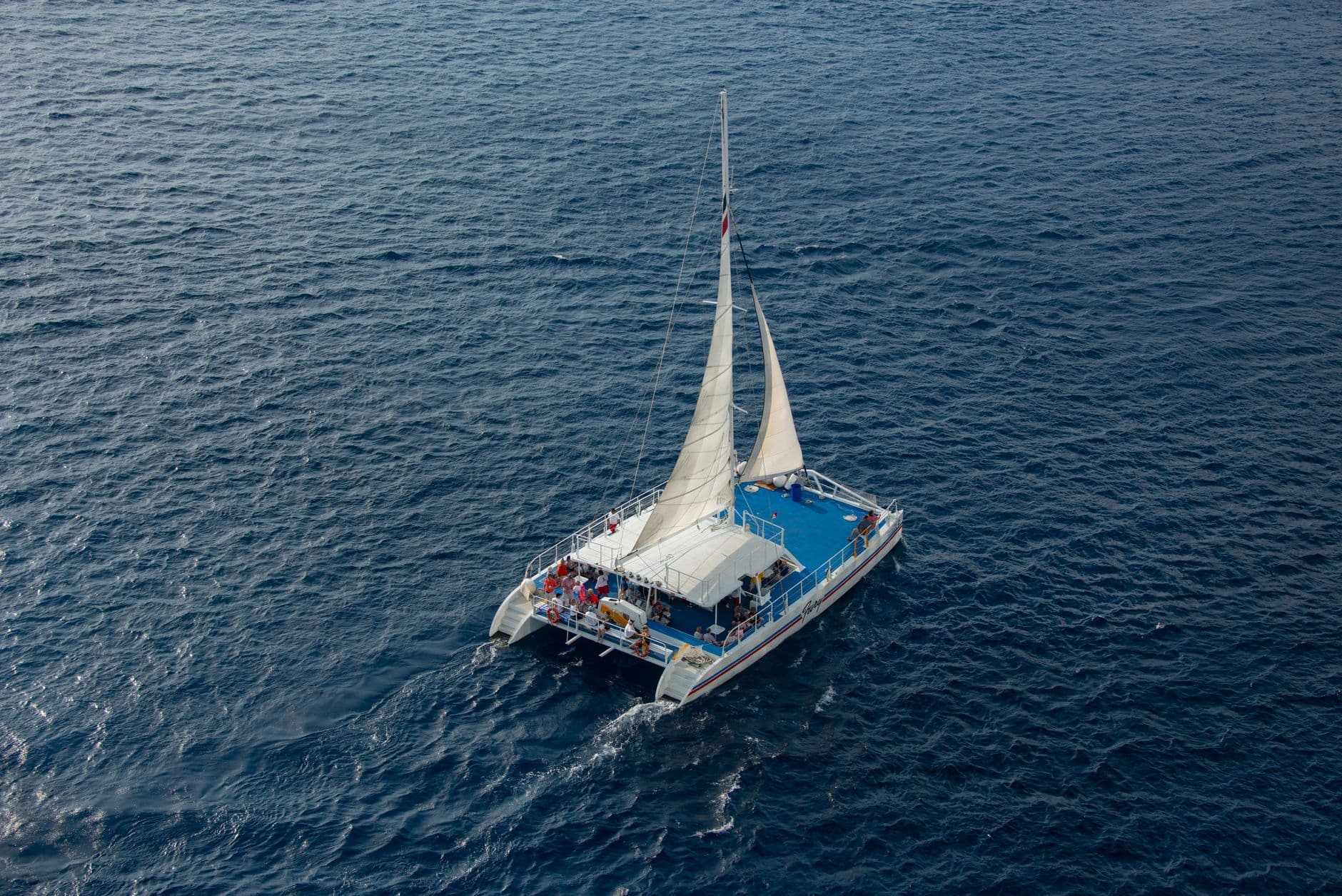
This is where chartering becomes more than a vacation. Many renters use the experience to compare layouts, comfort levels, and crewed-versus-bareboat formats before buying, which turns a holiday into a live audition for future catamaran ownership. That matters in a market where customer behavior is becoming part of the design conversation, not just the booking conversation.
MDPI’s December 20, 2024 article, “Beyond Chartering: Adapting the Offer to Customer Behavior for a Sustainable Yachting Industry,” points to exactly that shift. The industry is increasingly shaped by how people actually use the boat, whether they value social space, easy movement, service, or the ability to cruise as a family or mixed-age group. A charter can reveal that faster than any spec sheet, especially when the choice is between a self-skippered holiday and a crewed one.
YachtBooker’s 800 catamaran rentals therefore read like more than inventory. They are a menu of different ways to sail, and a practical way to find out whether the next multihull trip is just a holiday, or the clearest step toward ownership.
This article was produced by Prism’s automated news system from verified source data, official records, and press releases, then run through automated quality and moderation checks before publishing. The system is built and supervised by the people who set the standards it runs under. Read our full AI policy.
Did this article answer your question?