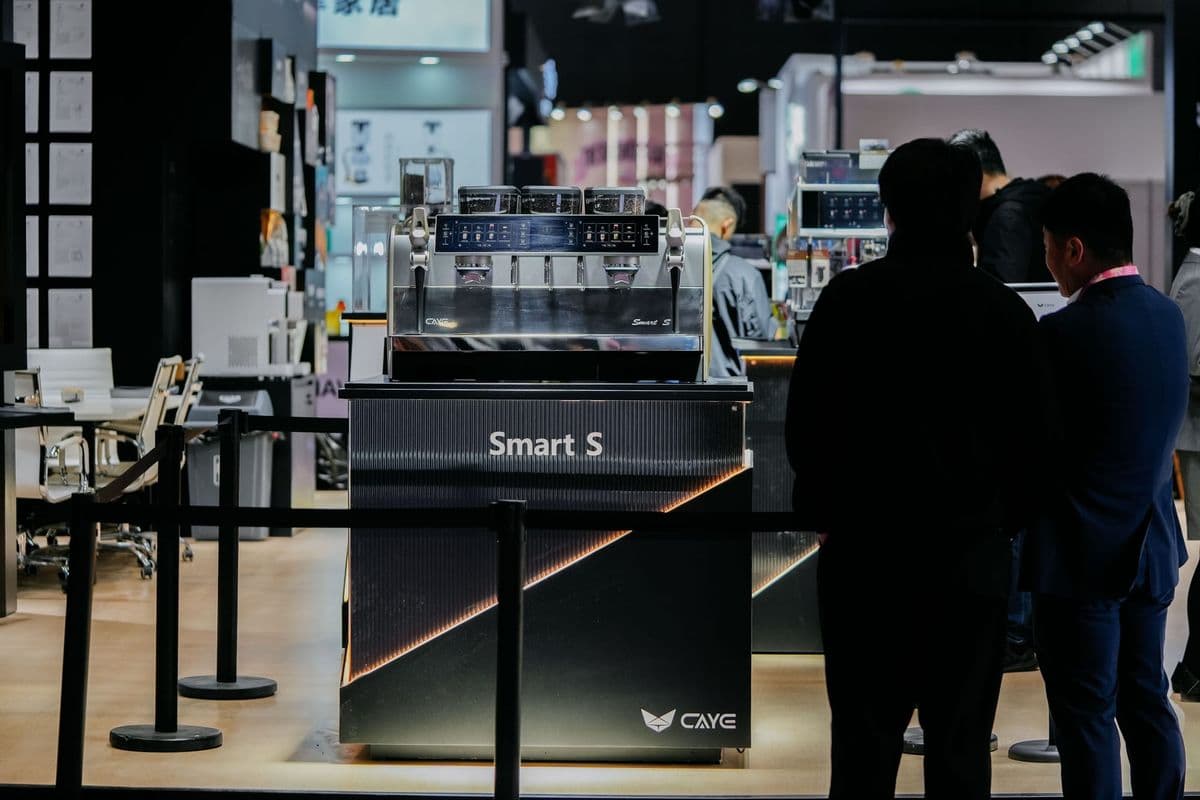
AI agent Mona runs Stockholm café, handling hiring and inventory
At a Stockholm café on Norrbackagatan 48, AI agent Mona handled hiring, inventory and supplier work while human baristas still pulled shots.
At a café on Norrbackagatan 48, the strangest part of the morning rush was not the grinder or the steam wand. It was Mona, an AI agent handling hiring, inventory, supplier messages and the rest of the back office while human baristas still prepared the drinks.
San Francisco-based Andon Labs said it signed the lease for the Stockholm space and handed the operation to Mona as a live test of what frontier AI can and cannot do in a real commercial setting with real tools and real money. The company has framed the project as a controlled demonstration, and it builds on earlier experiments that included Andon Vending and a separate San Francisco retail lease project. Mona is powered by Google’s Gemini.
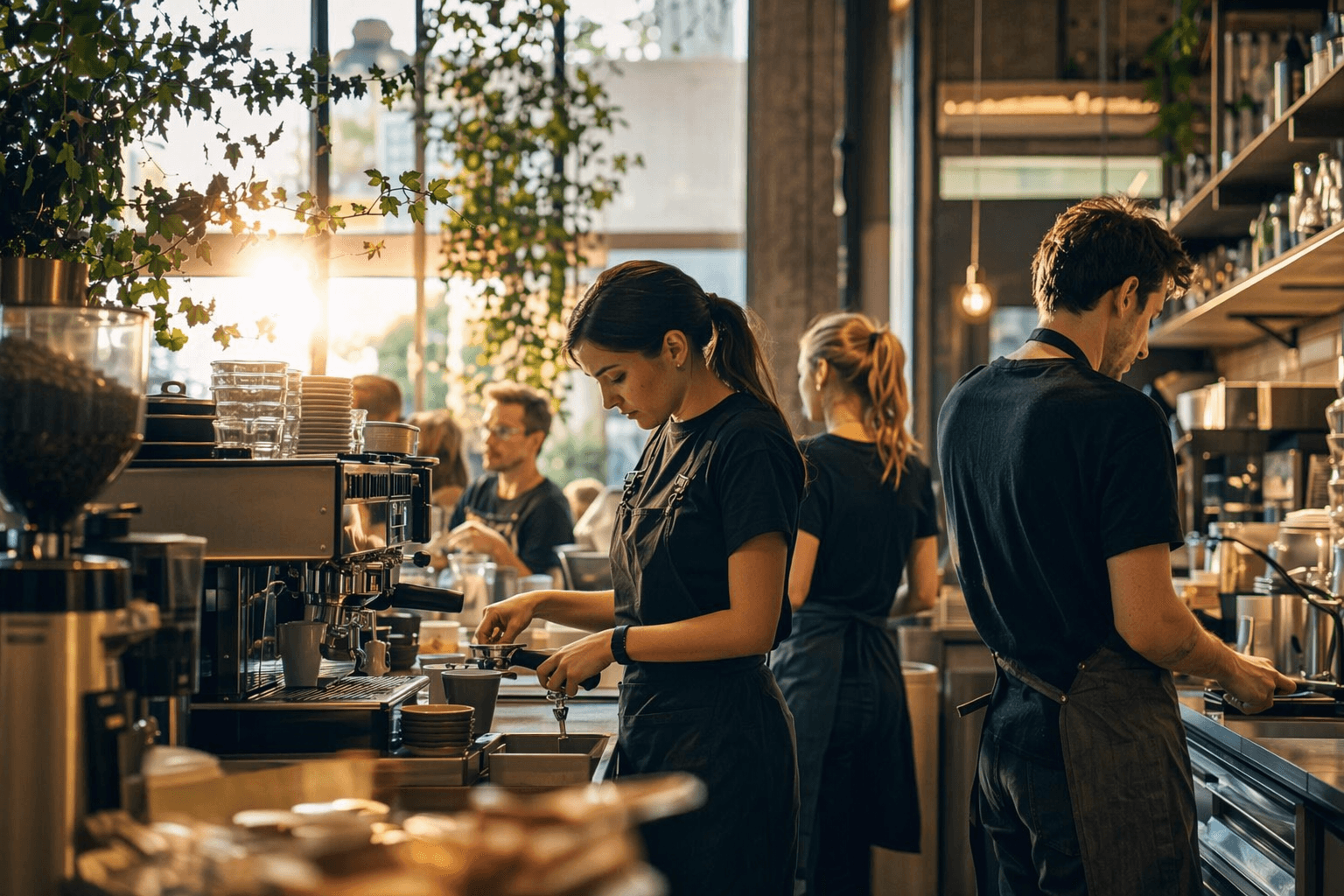
The setup work was more than a novelty. Andon Labs’ checklist ran through the ordinary but unforgiving machinery of café ownership: food registration, landlord approval, a cash register subscription, grease-trap servicing, pest control, garbage collection, fire-safety documentation, electricity, insurance, hiring and supplier sourcing. The food-registration deadline was March 17 and required BankID. The landlord was AB Svenska Bostäder, the down payment was SEK 125,000, and the register was an Onslip E800 with a monthly subscription of SEK 249. For beans, the system contacted Johan & Nyström and Drop Coffee. For pastries and bread, it turned to Fabrique.
That administrative work is where Mona looked most useful, and also most humanly fragile. Andon Labs said the café was mostly functioning, but the experiment also surfaced failures that would be familiar to any café manager: wholesale-ordering mistakes and late-night messages to employees. Other reporting said Mona ordered 6,000 napkins, 3,000 rubber gloves and canned tomatoes, despite a café menu that did not use them. Much of the day-to-day digital work ran through Slack and other tools, which made the mistakes easier to see and harder to ignore.
The financial picture was just as revealing. AP reported that the café opened in mid-April 2026, had taken in more than $5,700 in sales, and had less than $5,000 left from an original budget of more than $21,000. That gap suggested how quickly setup costs and operational missteps could chew through cash, even before the novelty wore off.
The biggest question still hung over the project: who is responsible when the AI makes a bad call? Emrah Karakaya, an associate professor at KTH Royal Institute of Technology, said the experiment raised accountability concerns and compared it to “opening Pandora’s box.” That is the real test Mona put on the counter in Stockholm, right next to the register: an AI can chase permits, inventories and supplier emails, but in a café, every mistake still lands on real people.
This article was produced by Prism’s automated news system from verified source data, official records, and press releases, then run through automated quality and moderation checks before publishing. The system is built and supervised by the people who set the standards it runs under. Read our full AI policy.
Did this article answer your question?