As iced coffee surges, New Yorkers still cling to hot coffee rituals
Iced drinks now dominate New York counters, but hot-coffee loyalists still turn every cup into habit, ritual, and identity.
New York’s coffee split is now visible at the counter
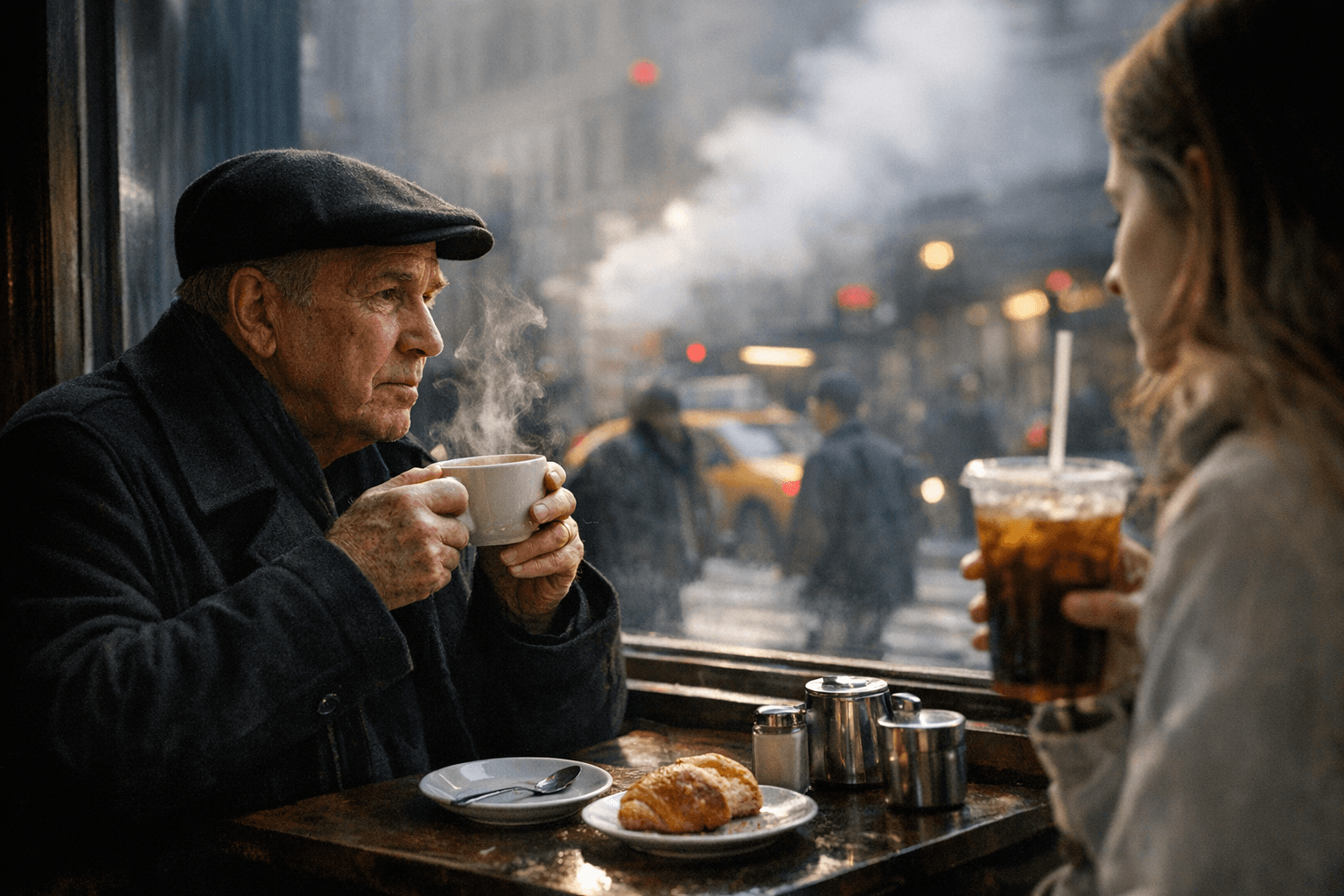
The city’s coffee culture has quietly crossed a line: cold drinks now make up about 75% of Starbucks’ sales, and the old hot-cup default is no longer the rule. In a Gothamist report built around street interviews and one-on-one coffee-shop reporting, that shift reads less like a fad than a new operating reality for Manhattan.
Jonathan Rubinstein, who founded Joe Coffee in 2003, is part of the picture too. Joe Coffee says it began with a first café in Greenwich Village and has been in New York since 2003, which makes it a useful marker for how much the city has changed since the brand’s earliest days.
Hot coffee is still a habit, not a trend
What stands out most in the city is not just that iced coffee has grown, but that a smaller group of New Yorkers still treats hot coffee as a daily nonnegotiable. Dorian Solis, an Upper West Sider, said she “can’t break the routine,” and that line captures a lot of what keeps hot coffee alive in a city where cold drinks dominate most menus and most hands.
That ritual shows up in different forms. Evan Dominguez said iced coffee had become expensive enough that he would rather order hot coffee, especially if he was already asking for no ice. Joseph A. Kaminski framed the drink as part of his day, saying he drinks three cups and always pairs hot coffee with a cigarette. Those comments matter because they show hot coffee surviving for practical reasons, price reasons, and habit reasons all at once.
What changed from the old New York coffee script
The shift feels especially sharp when you place it against the city’s recent cultural memory. Lin-Manuel Miranda’s *In the Heights* opened on Broadway in 2008, before iced coffee had fully taken over New York’s daily rhythm. That detail matters because it reminds you how recently the city’s drink culture flipped from a hot-mug baseline to an all-season cold-beverage default.
Now, the “seasonal” line has blurred almost out of existence. Iced coffee is no longer just a summer choice in Manhattan, the Upper West Side, or Greenwich Village. It is a year-round habit that has changed not only what people order, but how coffee shops think about speed, storage, cup sizes, add-ons, and the visual language of the counter.
What this means for menus and ordering patterns
When cold drinks account for three-quarters of sales at a company as large as Starbucks, the impact reaches far beyond one chain. Shops have to plan around cold demand first, which changes the rhythm of the whole menu. Hot coffee is still there, but it increasingly reads like a deliberate choice instead of the default first tap on the register.
That shift also changes how people order. A hot cup once signaled the standard morning move; now the order often has to be specified, defended, or explained. The conversation at the counter has moved from “coffee” to “iced coffee, no ice, extra cold foam, oat milk, half sweet,” and that changes how coffee shops train staff, build menus, and pace rush-hour service. Even when the drink is simple, the expectation is no longer simple.
The national numbers back up the city scene
The National Coffee Association’s National Coffee Data Trends study helps explain why New York feels different now. The group says the study is the longest-running look at U.S. coffee consumption and beverage preferences, and its Spring 2025 report found that 66% of adults drank coffee on the day they were surveyed. Coffee still sits at the center of American daily life, even as the form of that coffee keeps changing.
The specialty side of the market shows the same pressure. The National Coffee Association’s 2025 specialty coffee report says specialty coffee consumption hit a 14-year high, and for the first time it surpassed traditional coffee in daily consumption. That matters for city coffee shops because specialty culture tends to accelerate menu experimentation, colder builds, and premium add-ons, all of which reinforce the move away from the old one-size-fits-all hot cup.
Why hot coffee still feels like New York
The last hot-coffee loyalists are not just resisting a drink trend. They are preserving a very specific New York habit, one built on repetition, neighborhood routines, and the comfort of knowing exactly what you want before you reach the register. In places like the Upper West Side and Greenwich Village, that still has weight, even if the broader market says cold drinks now rule the day.
That is what makes this shift bigger than a seasonal preference. It is changing the identity of the city coffee counter, from the first gulp of the morning to the way shops stock, staff, and sell throughout the day. Hot coffee is not disappearing, but in a city where iced drinks now dominate, ordering one is starting to feel less like the norm and more like a statement.
This article was produced by Prism’s automated news system from verified source data, official records, and press releases, then run through automated quality and moderation checks before publishing. The system is built and supervised by the people who set the standards it runs under. Read our full AI policy.
Did this article answer your question?