At-home coffee enters a fourth wave as prices and social media rise
Coffee is getting pricier, and that is pushing drinkers home. Gen Z discovery, cold brew, and better gear are turning the kitchen counter into the new coffee bar.
The new math is sending coffee drinkers home
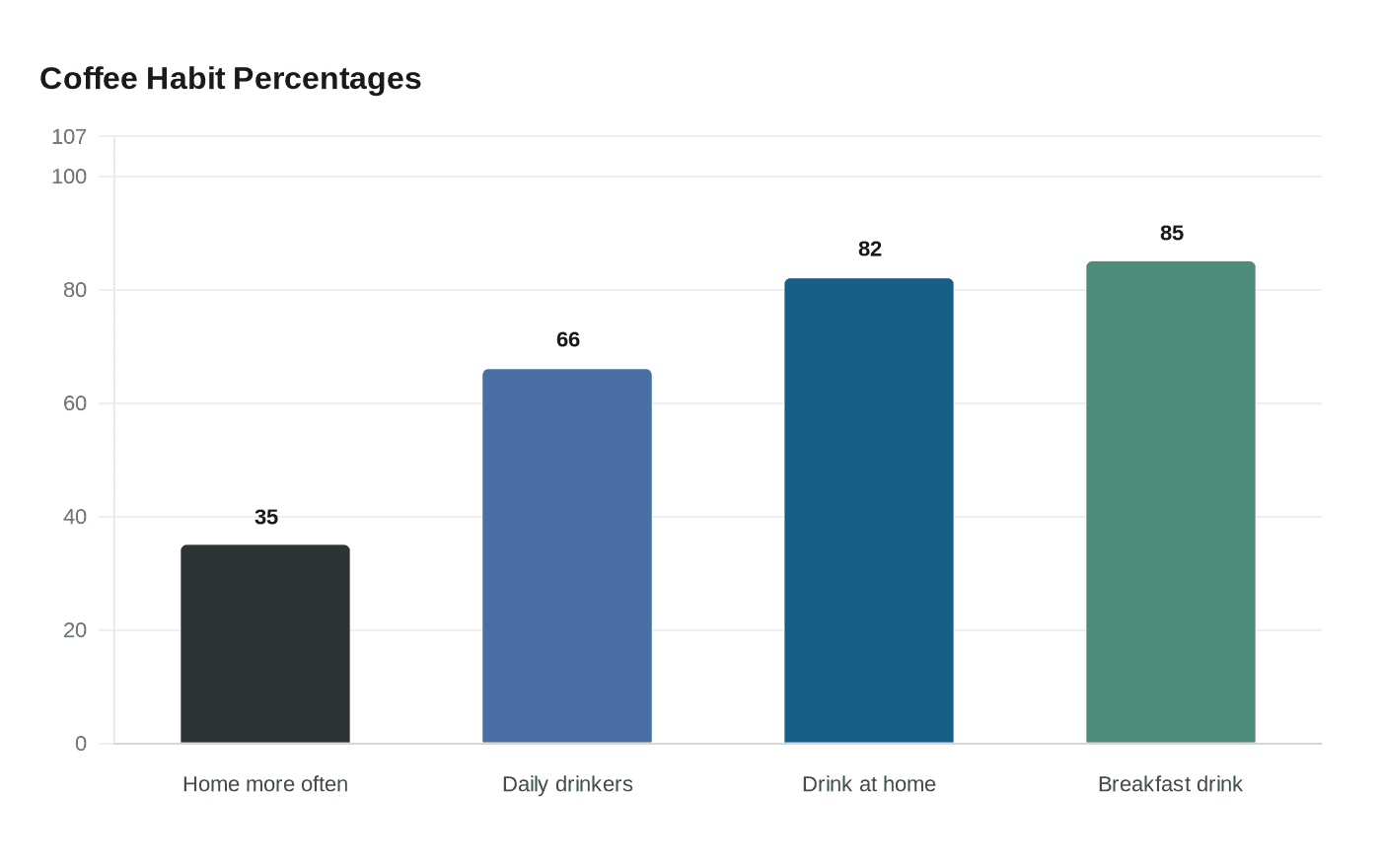
The most practical shift in coffee right now is not a latte trend or a gear fad. It is the simple fact that more people are deciding the home cup is the smarter buy. CoffeeTalk says 35 percent of consumers are now preparing coffee at home more often because coffee has gotten more expensive, and it ties that behavior to an 18.3 percent year-over-year price increase. When a daily habit starts feeling like a premium expense, home brewing stops looking like a downgrade and starts looking like a workaround with better margins.
That is why the at-home market is being described as a fourth wave. The idea is not that people have stopped caring about cafes. It is that they are rebuilding cafe-style drinks in their own kitchens, and they are doing it with more intention than the old drip-pot era ever demanded. The home setup is now competing on flavor, convenience, aesthetics, and the sense that the drink is worth posting.
This is not a tiny niche, it is the center of the market
The scale matters. The U.S. coffee market still generates about 301 million dollars a day, so even small changes in how people brew have real consequences across the value chain. The National Coffee Association says 66 percent of American adults drink coffee every day, 85 percent of past-day coffee drinkers had coffee at breakfast, 82 percent drank coffee at home, and coffee drinkers averaged nearly 3 cups per day in its September 9, 2025 data release.
That same association also says coffee supports 2.2 million U.S. jobs and that its membership base represents 90 percent of U.S. coffee commerce. In other words, this is not just a consumer taste story. It is a story about how demand moves through beans, grinders, brewers, RTD products, and all the small purchases that follow once someone decides to make better coffee at home.
There is also precedent for this shift. The National Coffee Association reported that at-home coffee consumption reached 85 percent of past-day coffee drinkers in January 2021, the highest level since the pandemic began. By 2023, it was still reporting at-home coffee consumption above pre-pandemic levels, while 36 percent of Americans said they had an in-office coffee station, up from a pandemic low of 26 percent in January 2021. The office did not disappear, but the home cup never gave back the ground it gained.
What makes this a fourth wave
Mintel’s framing is useful because it names the thing many coffee people have already felt: the market is entering a fourth wave centered on premium home-crafted coffee drinks and cool brews. That is a cleaner description than “people are making coffee at home more.” It captures the real change, which is that home coffee is becoming a destination for experimentation, personalization, and a little bit of status.
Mintel also points to the pandemic as the moment many consumers upgraded their home coffee bars in response to cafe closures and work-from-home policies. That matters because a lot of those upgrades stuck. Younger generations, Mintel says, are driving more fluid coffee habits and a preference for exploration and variety over routine. That is the opposite of the old model, where coffee was a fixed ritual and the equipment had one job: make a hot cup fast.
- premium home-crafted drinks
- cool brews and cold brew-style drinks
- more customization in flavor and strength
- expanded home setups that look and feel closer to a cafe bar
The fourth wave is built around:
The important part is that this is not only about convenience. It is about turning the kitchen into a place where the drink feels intentional enough to justify the price and the ritual.
The drinks and gear actually driving the shift
Cold brew keeps showing up because it fits the new behavior better than a lot of old-school brewing habits do. It is easy to batch, easy to style, and easy to make feel premium with relatively little fuss. Ready-to-drink coffee is part of the same logic: if people want quality without extra work, RTD gives them a packaged version of the experience that still feels modern and mobile.
That is where equipment makers and bean brands have the best shot. The winners are the products that deliver quality without turning the counter into a science project. A good grinder, a brewer that matches your actual routine, specialty beans that taste strong enough to justify the spend, and accessories that make the process easier are more valuable than counter clutter dressed up as innovation.
The overhyped part is easy to spot. If a gadget looks better on a feed than it performs in a mug, it probably belongs in the hype cycle, not on your counter. The long-term shift is not about collecting tools. It is about building a setup that makes repeatable, good coffee simpler than buying it out every day.
Social media is now the coffee aisle
The other big force here is discovery. eMarketer says Gen Z shoppers are more likely to discover products on Instagram and TikTok than on Google. It cites figures showing 30.4 percent of Gen Z users find products on Instagram, 23.2 percent on TikTok, and only 18.8 percent name Google as their top source. CoffeeTalk’s point tracks with that: nearly half of Gen Z users are said to discover coffee through influencer content.
That changes what sells. Brewing methods, machines, beans, and drink formats are no longer just utility purchases. They are identity markers. A cold brew setup, a sleek grinder, or a specialty bag from a brand with a strong visual language can travel farther on social than a traditional ad because it signals taste before it even signals flavor.
For coffee brands, that means aesthetics and ease matter as much as extraction and sourcing. For drinkers, it means social media can help you discover new formats fast, but it can also tempt you into buying a setup that looks sharper than it brews. The smart move is to treat social as a discovery layer, not a decision rule.
What belongs in the home coffee upgrade
If you are rebuilding your coffee routine for this fourth wave, the safest money goes into the parts that improve the cup every day. That usually means the grinder first, then the brewer, then the drink format you actually repeat most often. Cold brew, a straightforward hot-brew method, or a dependable RTD backup each makes more sense than a drawer full of one-off gadgets.
The broader pattern is hard to miss. Higher prices, hybrid work habits, and social-driven discovery are nudging coffee away from being a fixed cafe ritual and toward being a customizable home ritual. People are not simply drinking less coffee because it costs more. They are moving the experience to the kitchen, where premium has started to mean home-made, and that is the part of the fourth wave that looks built to last.
This article was produced by Prism’s automated news system from verified source data, official records, and press releases, then run through automated quality and moderation checks before publishing. The system is built and supervised by the people who set the standards it runs under. Read our full AI policy.
Did this article answer your question?