Brazil coffee expected to stay exempt from proposed U.S. tariff
Coffee narrowly dodged a 25% U.S. tariff on Brazil, but July deadlines still leave roasters bracing for a supply shock.
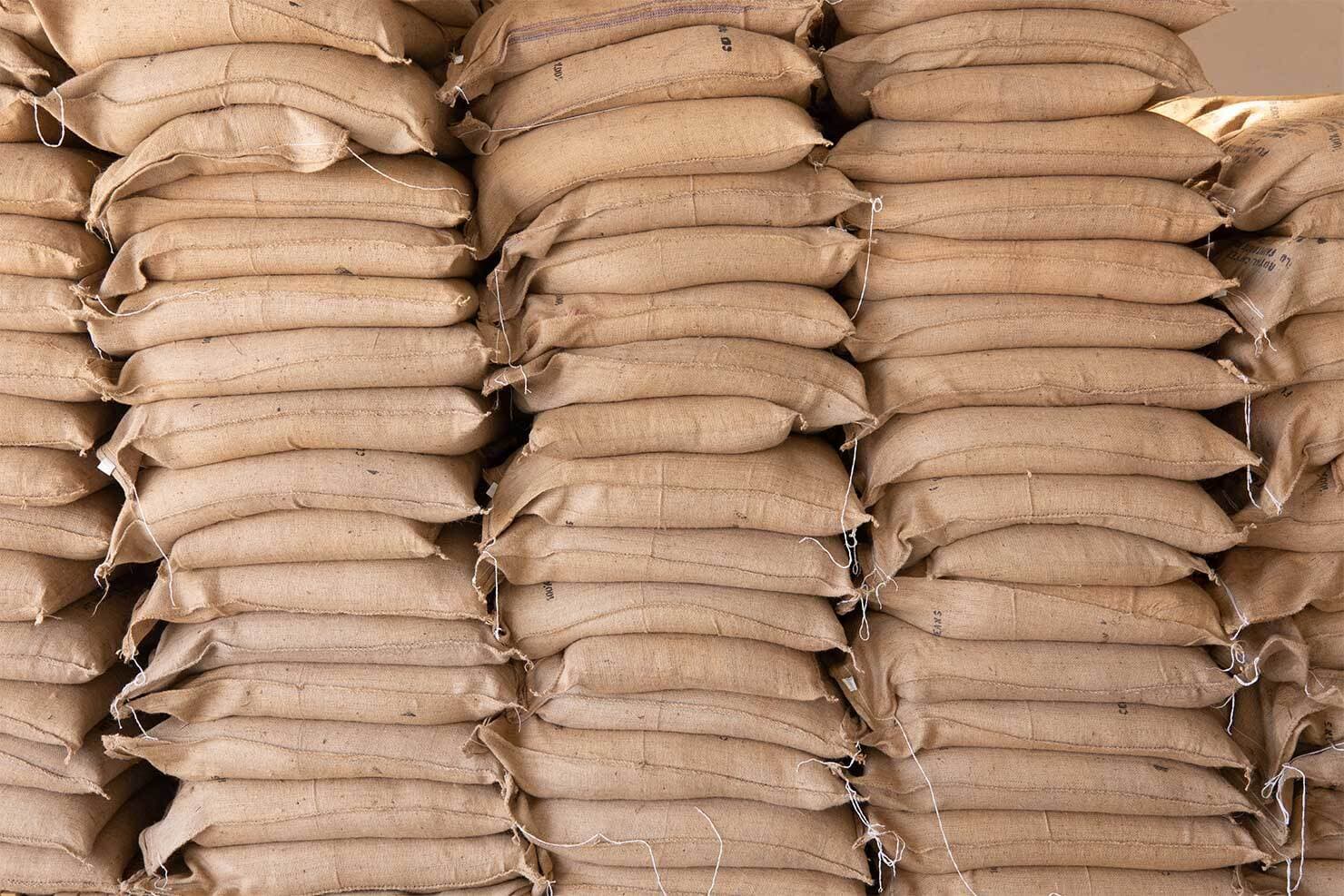
Coffee came within inches of a tariff hit that would have rattled one of its most important supply lines. The proposed 25% U.S. duty on Brazilian goods was expected to spare coffee, even as ethanol, sugar and seafood faced the sharpest exposure, a close call for roasters and cafes that lean heavily on Brazilian green coffee, roasted coffee and instant supply.
That near-miss matters because Brazil is not a niche origin for the U.S. market. The U.S. Department of Agriculture’s Foreign Agricultural Service said the United States took 15% of Brazil’s total coffee export volume in 2024, up 34% from the year before. Cecafé reported that Brazil shipped 3.1 million bags of coffee in April 2026 and earned US$1.109 billion, underscoring how much trade is tied up in the lane between Brazilian exporters and American buyers.
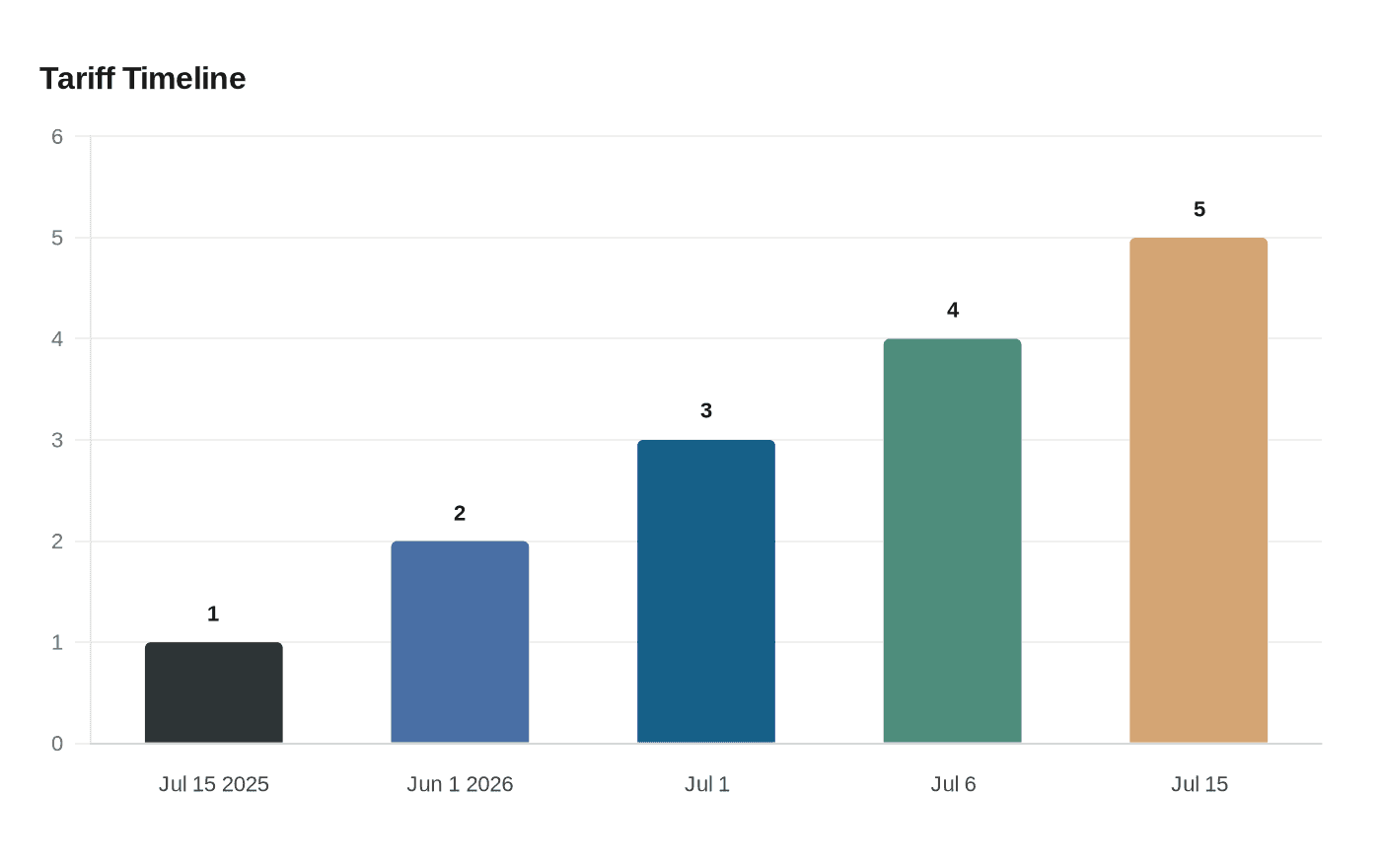
The tariff fight is moving on a fast track. The Office of the United States Trade Representative said its Section 301 investigation into Brazil began on July 15, 2025, at the direction of Donald Trump, and the agency issued its determination on June 1, 2026. Public comments on the proposed tariffs are due by July 1, with a hearing set for July 6 at the U.S. International Trade Commission in Washington, D.C. The proposal could take effect as early as July 15.
The USTR’s complaints reach far beyond coffee. Its stated concerns include digital trade and electronic payment services, anti-corruption enforcement, intellectual property protection, ethanol market access and illegal deforestation. Under the proposal, coffee, meat, orange juice, mangoes, cocoa, coconut water and açaí were expected to remain outside the new duty, while the tariff pressure was aimed at other Brazilian exports.
For the coffee trade, the exemption is a relief, but not a reason to relax. Industry reporting says Brazil’s green coffee category accounts for more than 90% of its coffee exports to the U.S., which explains why even the hint of a tariff can jolt buying decisions. The Brazilian Specialty Coffee Association said it viewed the exclusion of most coffee products from the proposed tariff favorably, while continuing to watch the consultation process closely.
If coffee had been included, the impact would have been immediate: higher landed costs for importers, tighter margins for roasters, more blend changes to protect flavor and price points, and another round of menu increases for cafes already squeezed by volatile commodity markets. Coffee escaped the first blow, but the clock to July 15 keeps the market exposed to whatever comes out of the consultation next.
This article was produced by Prism’s automated news system from verified source data, official records, and press releases, then run through automated quality and moderation checks before publishing. The system is built and supervised by the people who set the standards it runs under. Read our full AI policy.
Know something we missed? Have a correction or additional information?
Submit a Tip