New report maps coffee climate risk, calls for resilience investment
All 10 major coffee producers studied face rising climate stress, with Latin America and Indonesia on the front line and resilience now a sourcing issue.
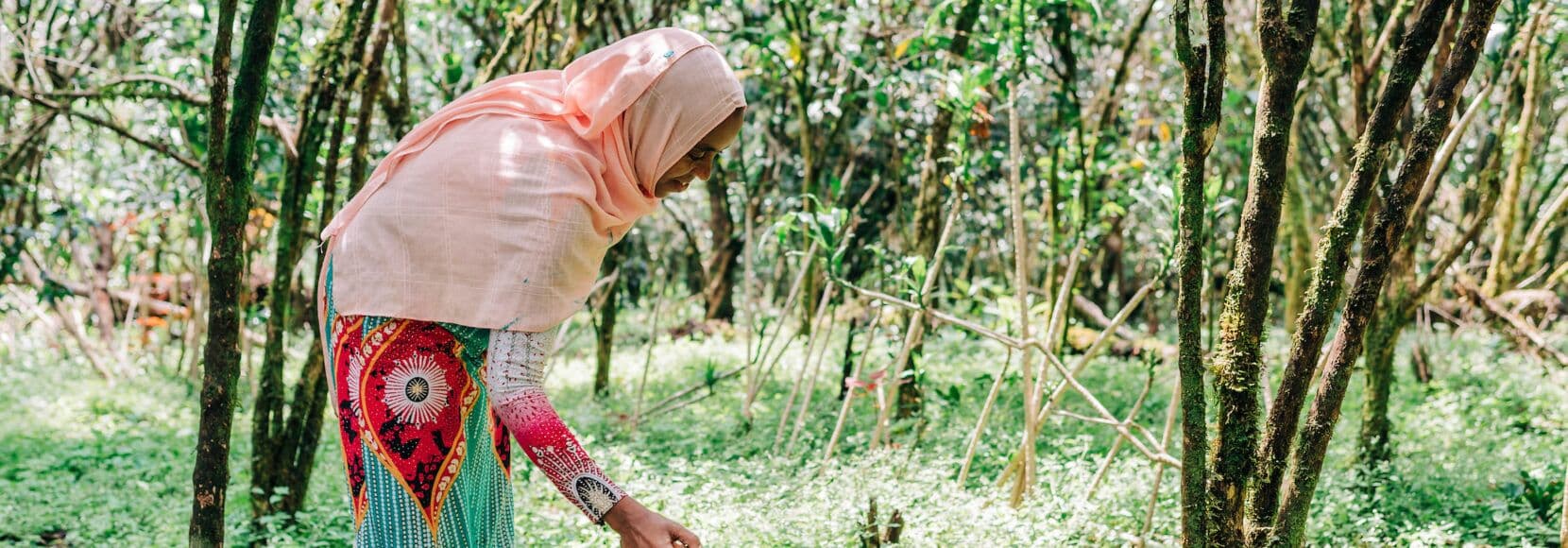
The new map of coffee climate risk starts in the farm rows and ends on the green buyer’s spreadsheet: UNIDO and TechnoServe said all ten major producing countries they studied are facing growing climate stress, with Latin America and Indonesia on the front line. For roasters and importers, that means the next price swing, quality shift or volume gap is not just a market quirk. It is increasingly a farm-level weather problem showing up in origin selection, blend design and long-term contracts.
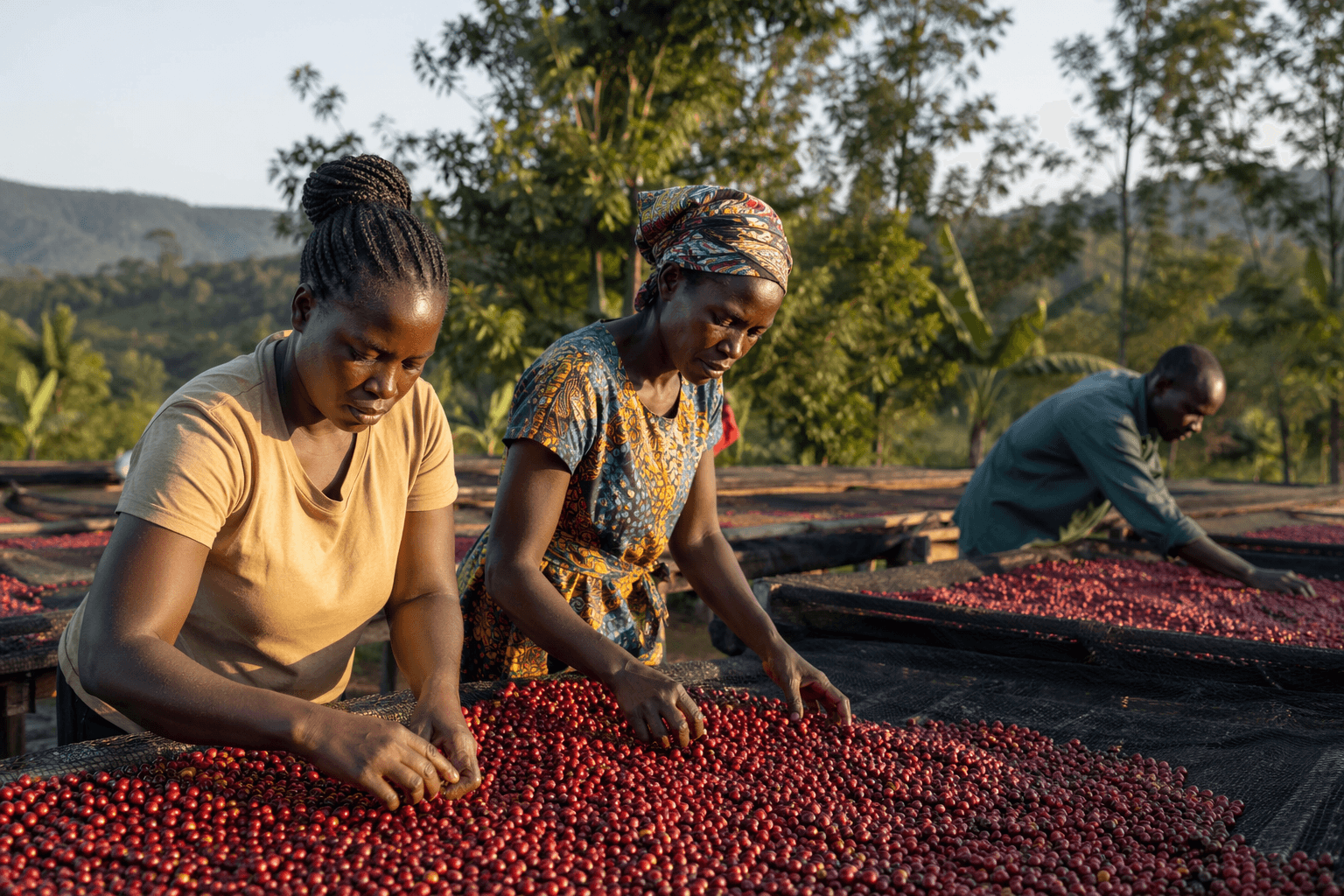
Benchmarking Coffee Production and Climate Risk, released June 4, looked at ten of the world’s most important coffee-producing countries and found that exposure is not evenly spread. Producers in Latin America and Indonesia face direct pressure from rising heat and unpredictable water availability, while farmers in Ethiopia, Kenya, Uganda and Tanzania are less exposed to the most severe climate projections but often work tiny plots with limited resources, making even modest shocks hard to absorb.
Paul Stewart, TechnoServe’s Global Coffee Director and one of the report’s lead authors, said the findings matched what field teams see every day: climate change is already affecting productivity and livelihoods, while many smallholders still lack the tools to respond. Andrea De Marco, UNIDO’s Programme Manager and Partnership Advisor, said the challenge is urgent rather than distant and that the report gives farmers, companies and governments a shared basis for moving faster.
The report’s practical message is that adaptation is investable, not abstract. It argues that the strongest returns will come when producers get practical knowledge, access to finance, better infrastructure, policy support and market access. In plain coffee terms, that is the difference between a farm that can keep yielding consistent parchment and one that drops out of a buyer’s program after one bad season. The report also makes a blunt point that buyers often miss: productivity and profitability are climate tools. Better-performing farms are more resilient farms.
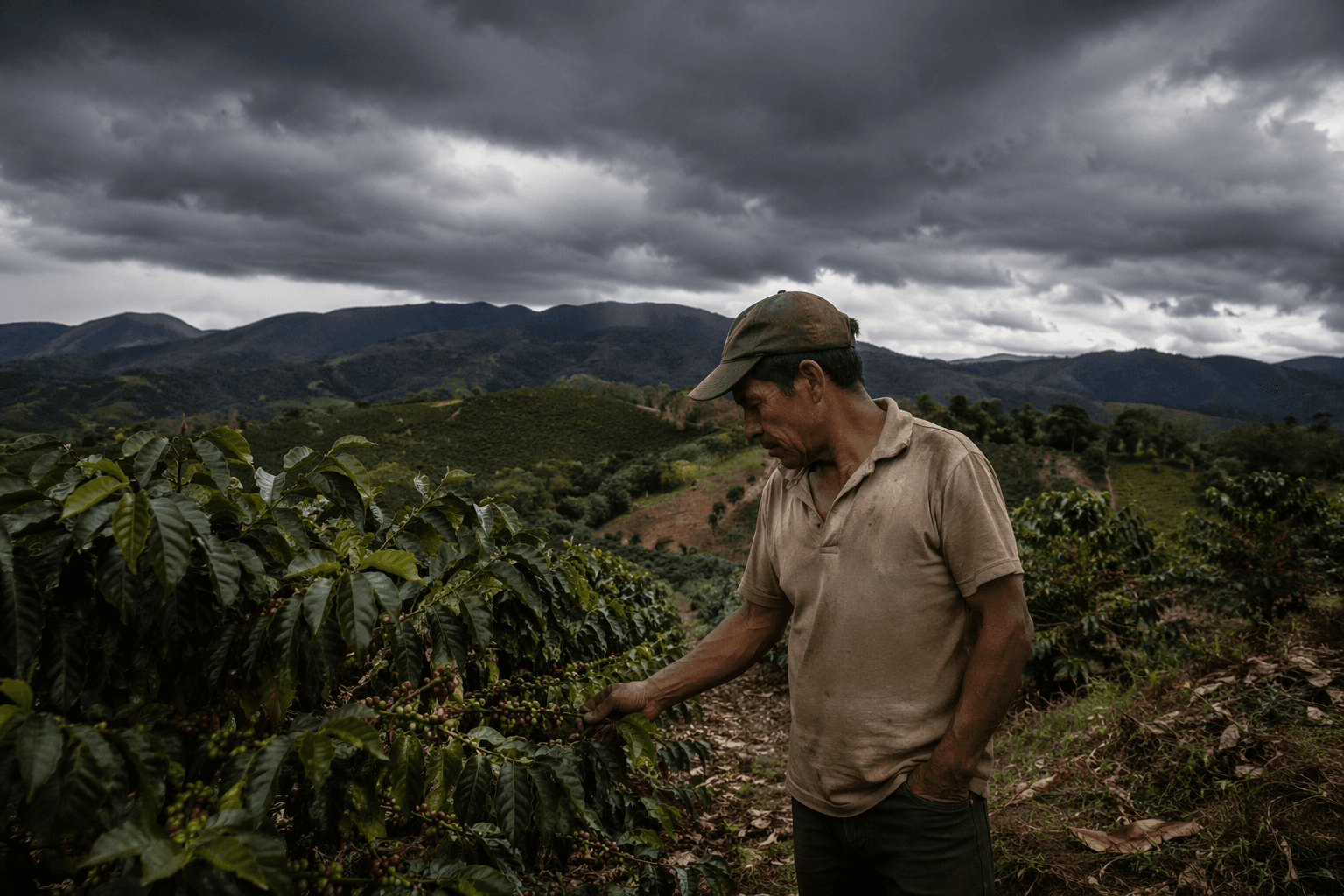
That is where the shelf starts to change. The coffees most exposed are the origins already closest to the edge on water and heat, especially in Latin America and Indonesia, while East African supply can still be vulnerable because farm sizes are small and cash buffers are thin. The answer, the report says, is not to wait for the weather to cooperate. It is to fund resilience now, before climate volatility turns into a permanent reshuffle of what ends up in the cup.
UNIDO said the ACT Coffee Programme, its five-pillar effort on climate resilience, value addition, compliance, research and innovation, and social inclusion, begins in Ethiopia, Kenya, Uganda, Tanzania and Malawi. That makes the report less of a warning shot than a sourcing brief: the next phase of coffee quality will depend on which origins can adapt fast enough to stay in the game.
This article was produced by Prism’s automated news system from verified source data, official records, and press releases, then run through automated quality and moderation checks before publishing. The system is built and supervised by the people who set the standards it runs under. Read our full AI policy.
Know something we missed? Have a correction or additional information?
Submit a Tip