China fungus fermentation boosts coffee flavor, raises specialty potential
A fungus pulled from Yunnan coffee cherries lifted cupping scores by 1.5 points, adding vanilla and cinnamon notes that could help cheap arabica taste specialty-ready.
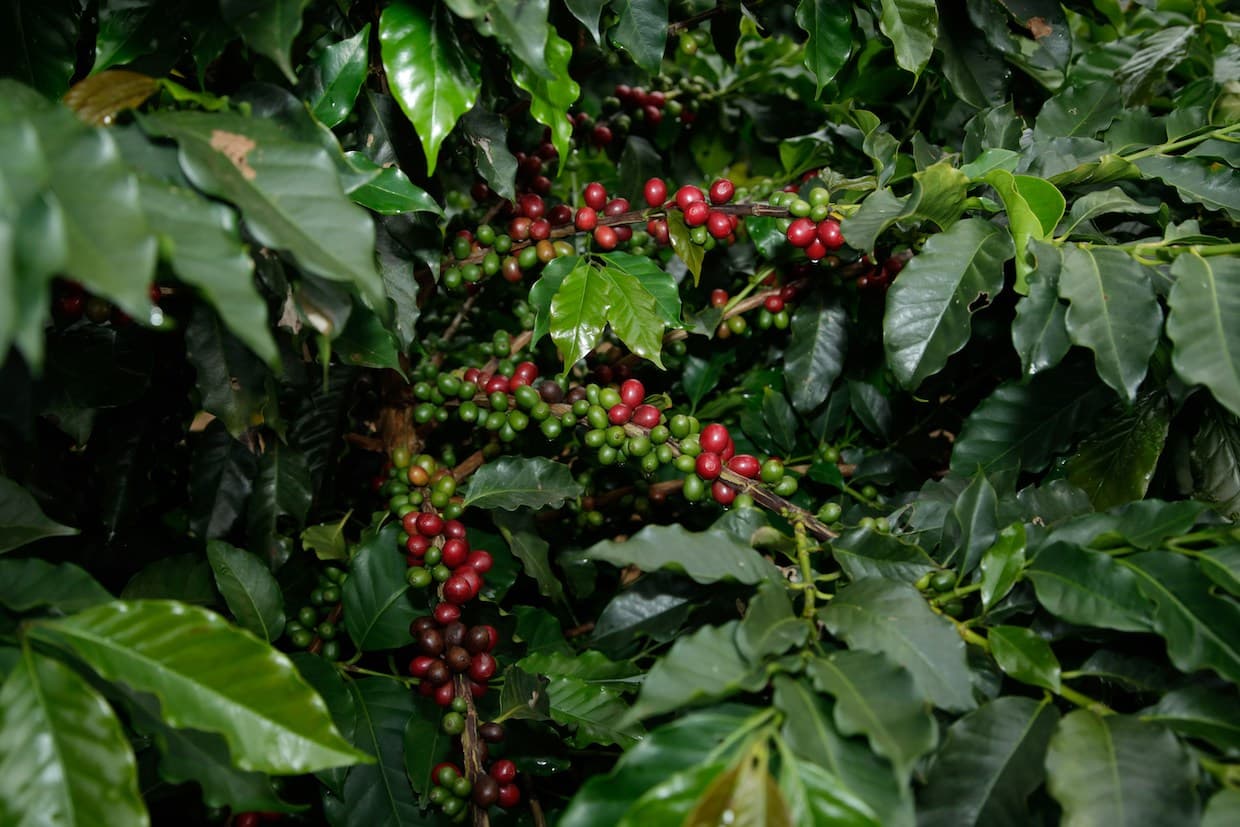
A naturally occurring fungus from coffee cherries in Yunnan just did the thing roasters chase and processors rarely get for free: it made conventional arabica taste noticeably better. In controlled fermentation tests, the strain Talaromyces funiculosus KQ2 pushed sensory scores up by 1.5 points, added vanilla and cinnamon character, and lifted sucrose content by 17 percent.
The work came out of the Kunming Institute of Botany at the Chinese Academy of Sciences and was published in Food Chemistry. It landed in a province that matters a lot to China’s coffee trade. Yunnan is the country’s largest Arabica producer, and Kunming Institute of Botany researchers have framed the region’s next step as moving from low-cost raw bean supply toward higher-value specialty coffee with more consistent flavor.

To get there, the team built a microbial repository of 655 endophytic fungal strains collected from five Yunnan Arabica cultivars across three maturity stages. From that library, the researchers screened six representative strains for fermentation potential and narrowed the field to KQ2, the standout agent they say delivered the strongest quality lift in the cup. Chinese Academy of Sciences coverage said the treated coffee exceeded the specialty threshold of 80 points, which is the number that turns a decent commodity lot into something much more commercially interesting.
That is the real promise here. If the method scales outside the lab, it could give mills and producers a way to upgrade lower-scoring coffee without changing the origin, cultivar, or farm. For buyers and roasters, that could mean more lots with a better flavor ceiling and less dependence on expensive sorting or flashy post-harvest gimmicks. For growers in Yunnan, where state and institute coverage say coffee has long lagged in floral and fruity notes, it could create a path to stronger pricing on beans that would otherwise sell as ordinary commercial arabica.
The catch is that the process is still a controlled proof of concept, not a farm-scale playbook. The fermentation happened under lab conditions, where variables are tightly managed and cherry quality is far easier to control than in the messy reality of harvest, transport, and wet-mill operations. Even so, the broader stakes are obvious in Yunnan, which Kunming Institute of Botany coverage said accounted for more than 40 percent of China’s coffee exports in 2025. If a native fungus can help cheap coffee cross into specialty territory, that is not just a science story. It is a pricing story, and potentially a big one.
This article was produced by Prism’s automated news system from verified source data, official records, and press releases, then run through automated quality and moderation checks before publishing. The system is built and supervised by the people who set the standards it runs under. Read our full AI policy.
Did this article answer your question?