Colombia seizes cocaine hidden in coffee pellets bound for Spain
More than 2.4 metric tons of cocaine were found inside 1,660 sacks of coffee pellets at Cartagena, with the load bound for Valencia.
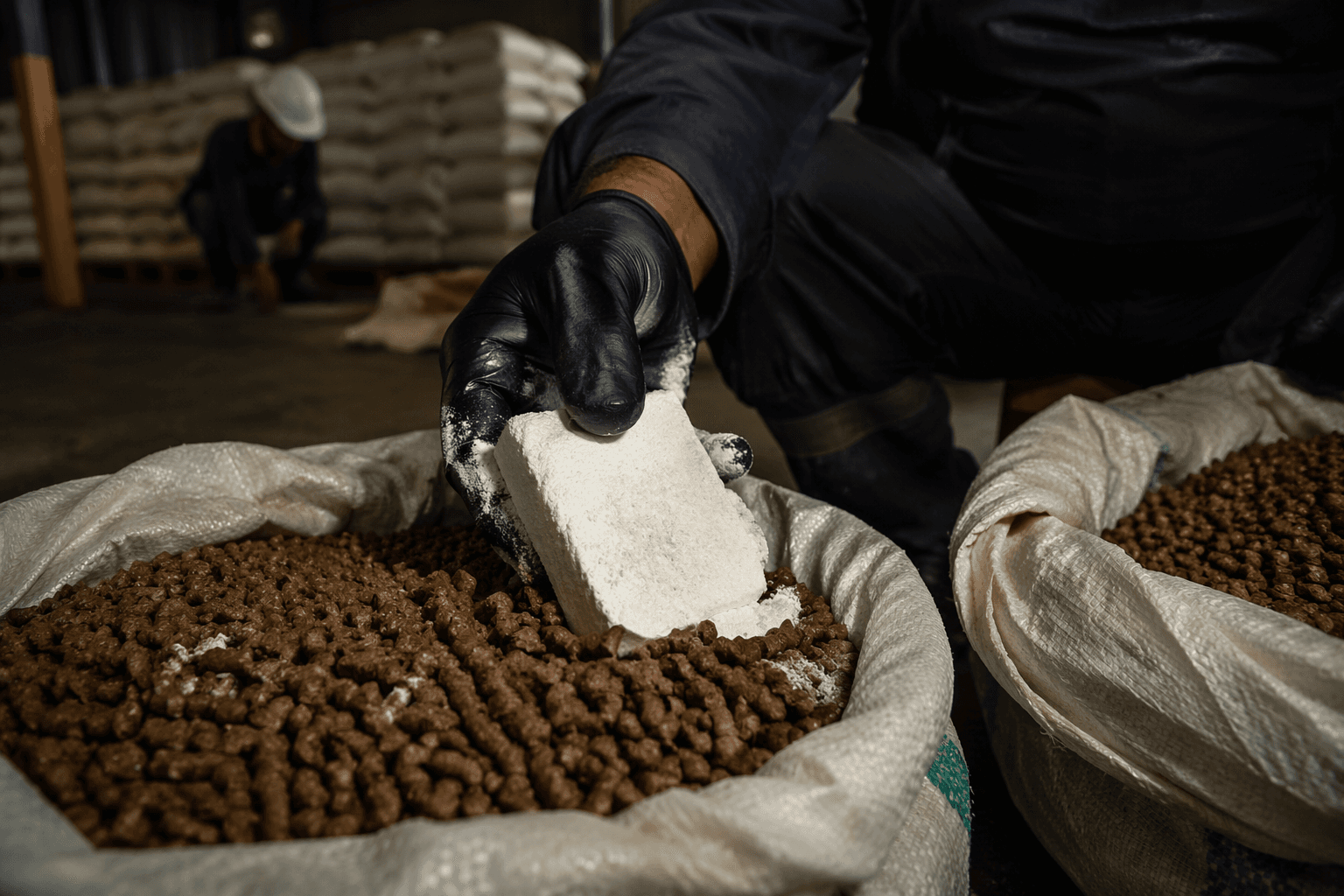
Colombian authorities intercepted a shipment at the Port of Cartagena that hid more than 2.4 metric tons of cocaine hydrochloride inside coffee pellets bound for Valencia, Spain. The cargo was packed in 1,660 sacks weighing 15 kilograms each, a scale that made the concealment look like ordinary bulk freight until inspectors got inside the load.
What makes this case stand out for coffee people is that it was not a shipment of green coffee at all. The material was compressed coffee-biomass pellets, the kind of byproduct made from husks or parchment and often used as biofuel. Forensic testing reportedly found a cocaine concentration of 9.8% in the mixed material, and Colombian officials said the seizure prevented roughly 6.1 million doses from reaching Europe.

The Colombia police and defense authorities publicized the bust with video and social-media posts, but they have not said who produced the pellets or which commercial entities were involved. No exporter, importer, vessel, shipping line or terminal has been named. That gap matters as much as the drug haul itself, because it leaves the industry with the hard question: was the cargo turned into concealment material before it entered the logistics chain, or were the drugs inserted later, somewhere between origin and port?
Colombian police have already warned that traffickers are leaning harder on “products of legal appearance” and other increasingly sophisticated concealment methods. The timing also fits a much larger enforcement push. Colombia’s Ministry of Defense said public security forces seized about 694 tons of cocaine hydrochloride in 2025, up 8% from the year before, while the U.S. Department of State has said coca cultivation and cocaine production in Colombia have surged to record levels. In Bogotá, the Ministry of Defense also held a June 10-11 international meeting on responses to the illegal cocaine economy.
Cartagena keeps showing up in that trade for a reason. Colombian police have already announced a separate seizure of 336 kilograms in a port operation there, and a 2025 case involved cocaine hidden in ground coffee and valued at more than 48 million euros. Europol has described Colombian trafficking networks moving cocaine in commercial vessels through ports including Cartagena and Barranquilla. That is why this latest bust matters beyond the headline haul: when criminals can hide cocaine in coffee pellets, the pressure lands on traceability, inspection, and trust all the way through the supply chain.
This article was produced by Prism’s automated news system from verified source data, official records, and press releases, then run through automated quality and moderation checks before publishing. The system is built and supervised by the people who set the standards it runs under. Read our full AI policy.
Did this article answer your question?