Colombia’s coffee sector braces for EU deforestation rules, smallholders face risk
Colombia’s SICA system gives it a traceability head start, but smallholders and Indigenous growers still face the cost, paperwork and access gap.
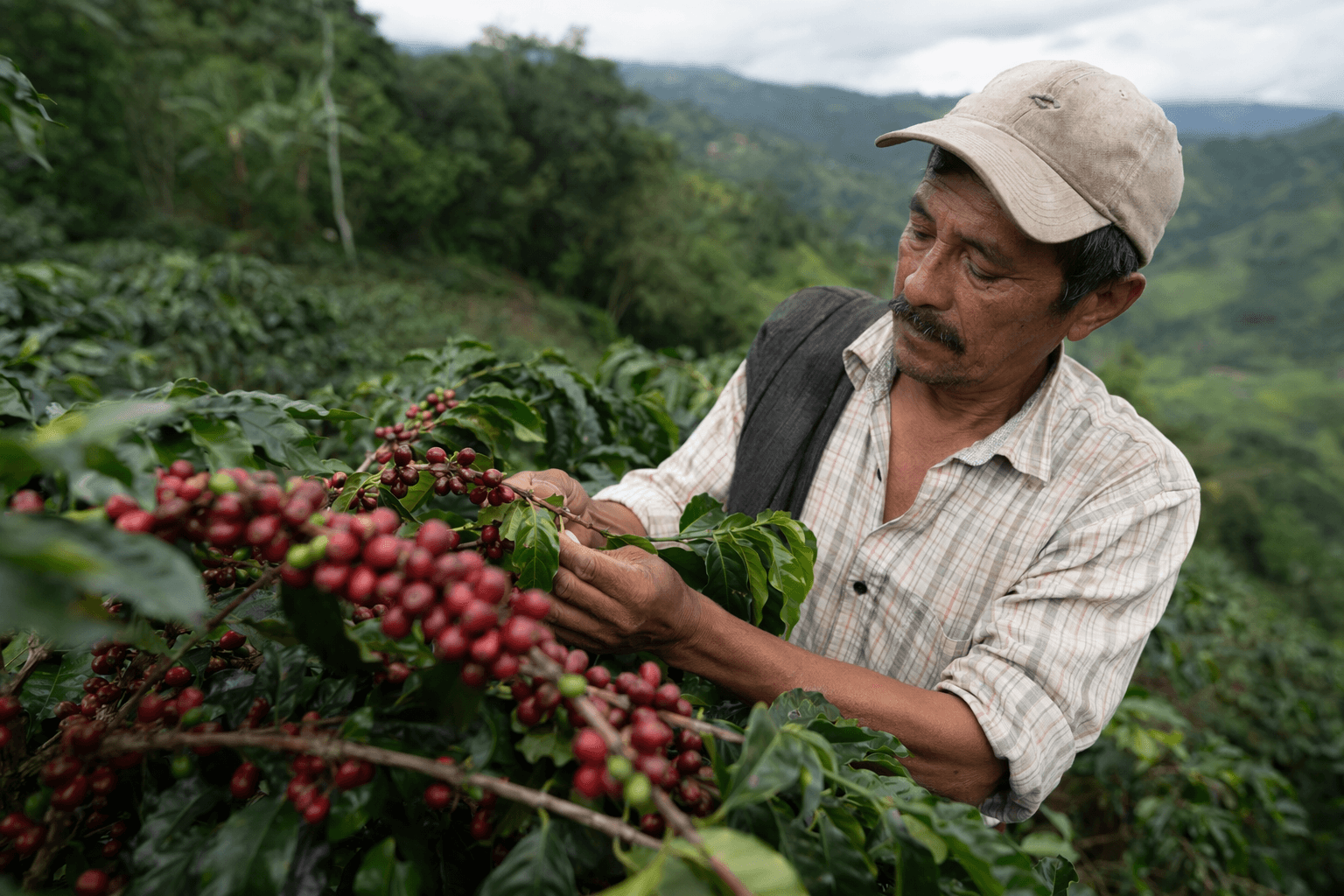
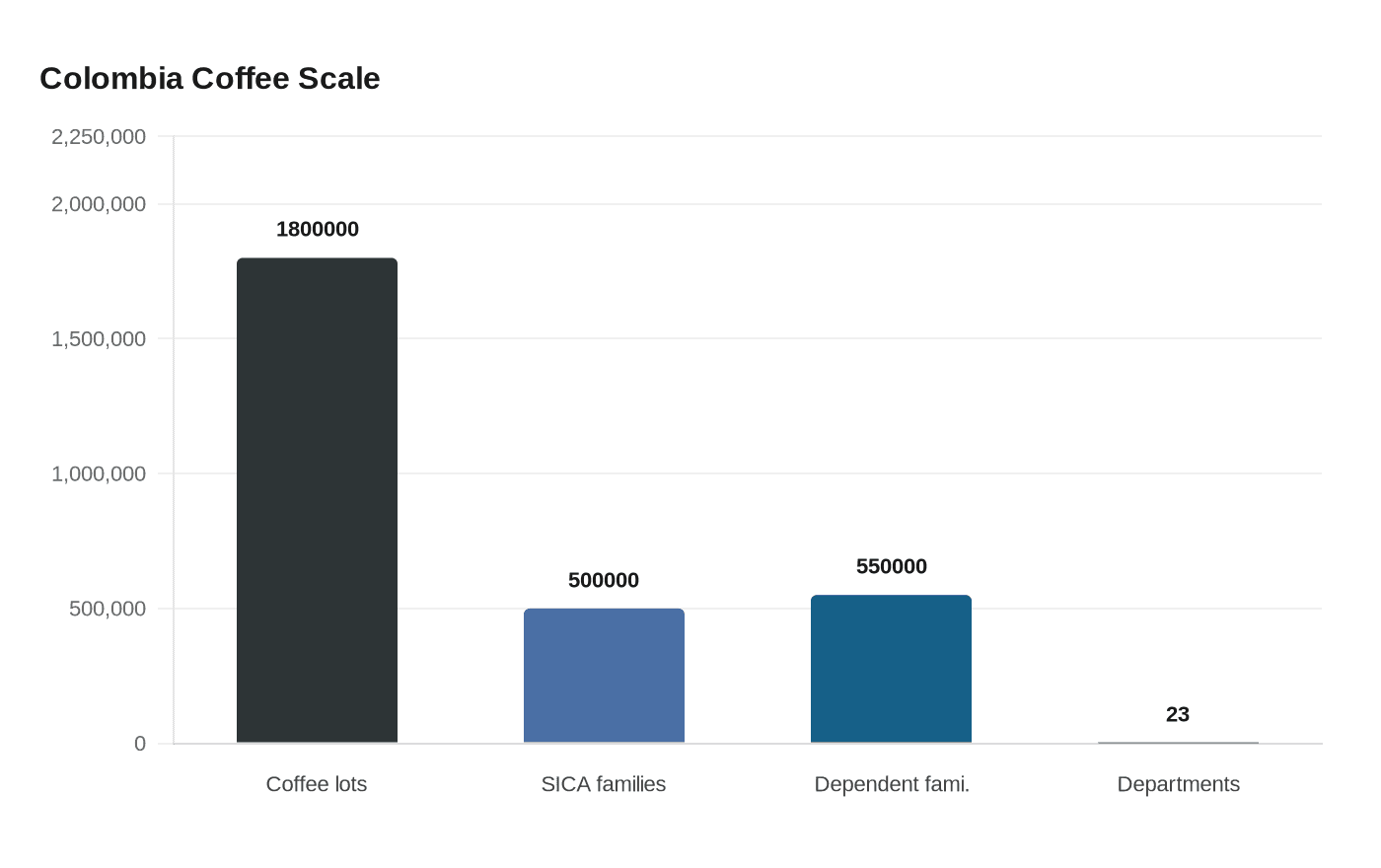
Colombia’s coffee industry enters the EU deforestation era with a real advantage on paper, but the farm-level reality is far messier. The National Federation of Coffee Growers of Colombia has spent years building SICA, a georeferenced system that tracks roughly 1.8 million coffee lots and holds socioeconomic data on nearly 500,000 coffee-growing families. That kind of infrastructure could make the country one of the better prepared origins for the European Union Deforestation Regulation, which will force coffee exporters to prove products can be traced back to the plot where they were grown.
The stakes are high. Under the current EU timeline, larger operators will have to comply from 30 December 2026, while micro- and small enterprises will follow on 30 June 2027. The rule covers coffee and uses 31 December 2020 as the cutoff date for deforestation-free sourcing, meaning exporters will need stronger land records, clearer documentation and more consistent proof that beans did not come from recently cleared land.
That is where Colombia’s supposed readiness starts to fray. Coffee is grown in 23 of the country’s 32 departments, and more than 550,000 families depend on it for their livelihoods. Most growers cultivate small plots, which makes every extra mapping requirement, transport record and compliance fee more sensitive. The burden is likely to land hardest on smallholders and Indigenous producers, who are often less informed about the regulation and less able to absorb the cost of meeting it. In a sector where first-mile sales are already shaped by cooperatives and federation systems, remote growers can still face weaker digital access and thinner support.
Colombia’s exposure to the European market raises the pressure even more. ICA said the country’s coffee exports to the EU totaled US$705 million in 2023, a 27% decline from 2022, and described the bloc as historically Colombia’s second most important coffee export market. For exporters, the new rules could mean better access if they can document every lot properly. For growers who cannot, the regulation could become another gatekeeper.
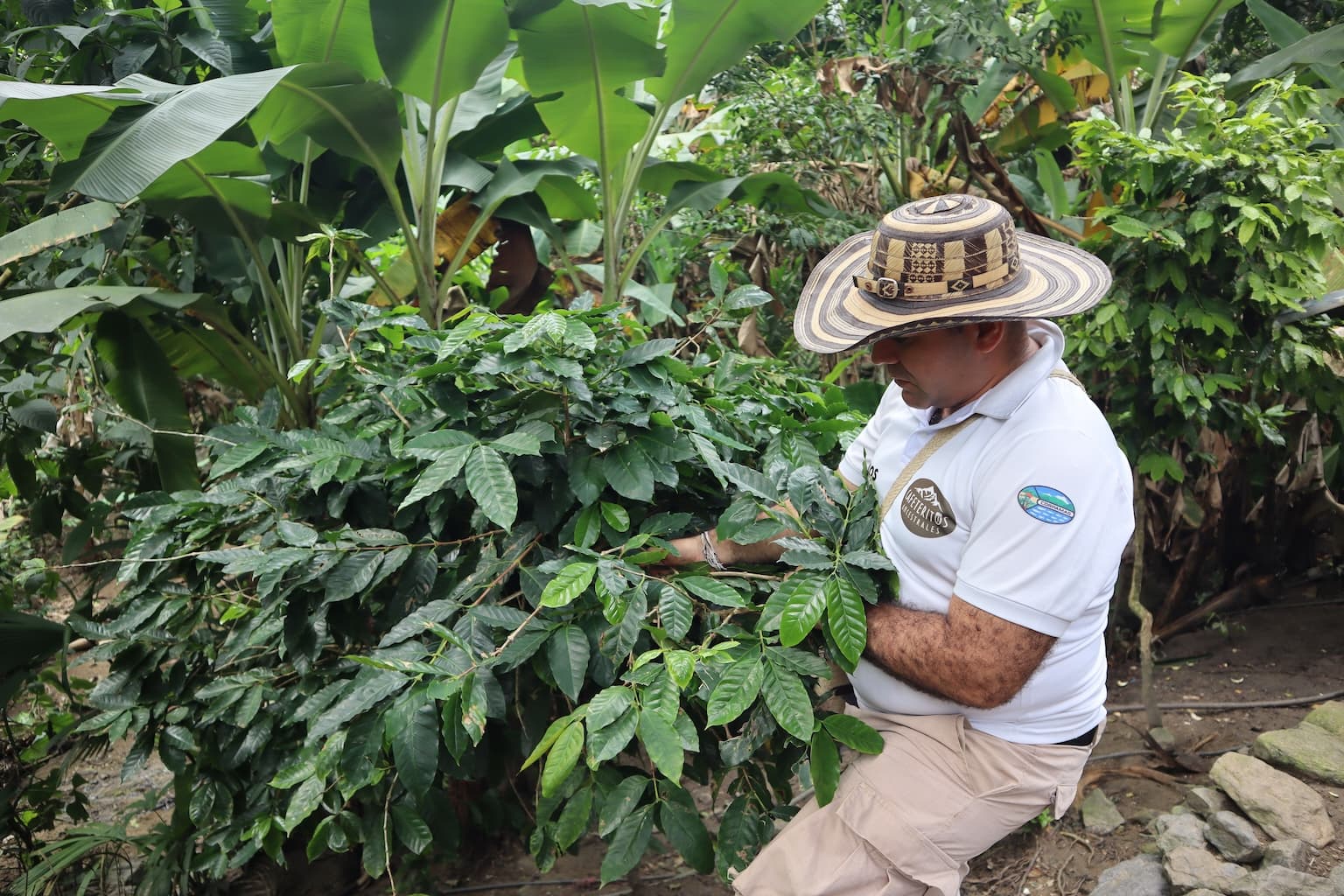
The labor picture adds another layer of risk. A 2025 investigation by Repórter Brasil, summarized by Coffee Watch, found that informal work, exhausting hours and poor housing conditions remained common on Colombian coffee farms, including some certified operations carrying Fairtrade, Rainforest Alliance, 4C and C.A.F.E. labels. That gap between certification and day-to-day conditions underscores how much of the sector’s compliance challenge goes beyond paperwork.
In Bogotá in 2025, more than 80 government, business, producer and international cooperation participants gathered to talk through practical EUDR solutions for coffee, cocoa and palm oil. The meeting showed how quickly the rule is reshaping producer-country diplomacy. It also made the central problem plain: Colombia may have a head start, but without outreach, training and technical support, the producers most likely to do the work could still be the ones left behind.
This article was produced by Prism’s automated news system from verified source data, official records, and press releases, then run through automated quality and moderation checks before publishing. The system is built and supervised by the people who set the standards it runs under. Read our full AI policy.
Did this article answer your question?