Costa Rica coffee study finds alternate bearing can intensify growers’ income swings
A Costa Rica coffee study found alternate bearing can line up farm losses, turning one good harvest into a tougher year for whole households.
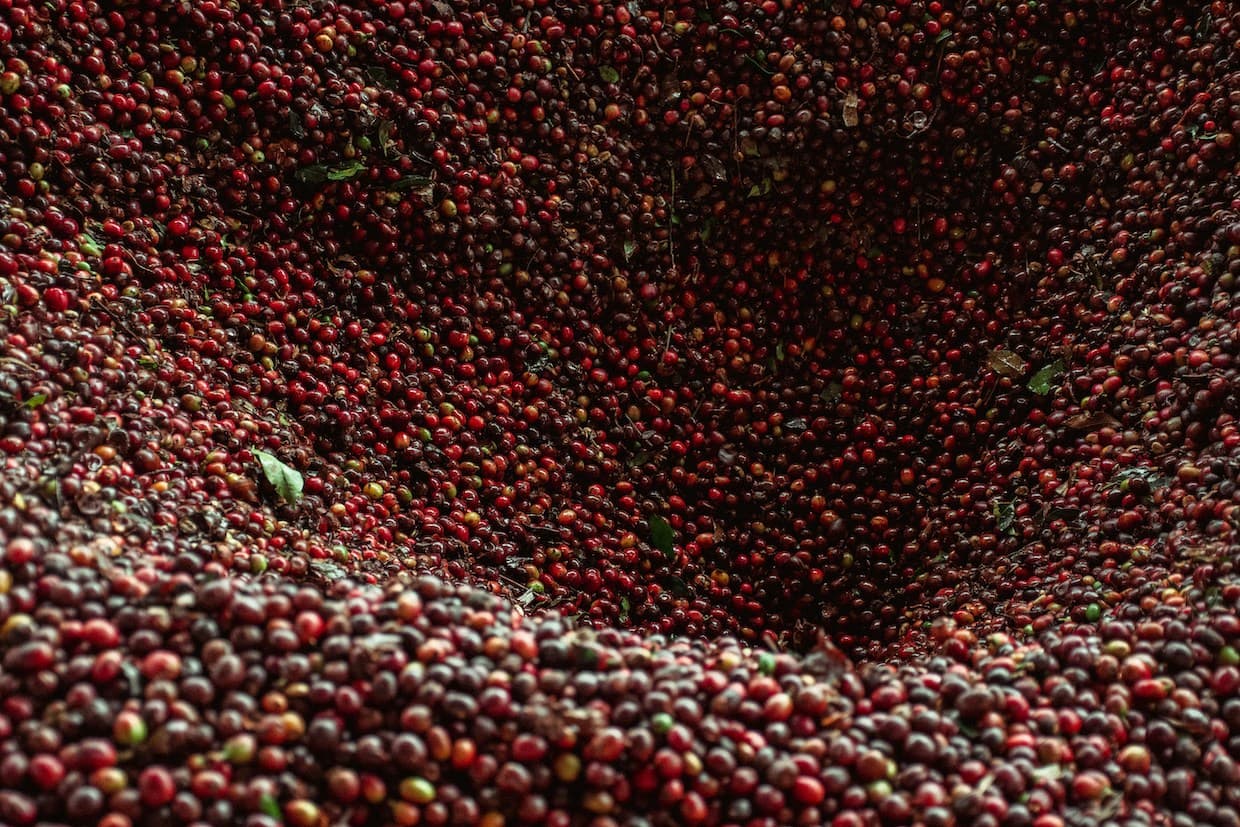
In Santa María de Dota, the bigger problem is not only whether coffee yields rise or fall, but whether the whole community feels those swings at once. A new study in Human Ecology found that when Costa Rican farms hit shocks such as disease outbreaks, the natural boom-and-bust rhythm of alternate bearing can become more synchronized across farms, intensifying income volatility for smallholders who depend on harvest timing to pay bills, hire labor, and keep households afloat.
The paper, Confronting Intrinsic Yield Variability: How Coffee Farmers Understand, Manage, and Cope with Crop Alternate Bearing, was published on October 6, 2025 by Gabriela M. Garcia, Laura Kuhl, and Colin M. Orians. It combined semi-structured interviews with 29 farmers and quantitative analysis of alternate bearing across participating farms, using 10 years of cooperative production records from 2008 through 2017 to track how high-yield and low-yield years moved across the region.
The results point to a cycle that is more than an agronomy problem. Farmers largely saw alternate bearing as a natural challenge, sometimes tied to weather or pests and sometimes understood as part of the plant itself. Pruning and fertilizer management were not linked to alternate-bearing signals in the study, while higher farm elevation was associated with significantly lower alternate bearing. After a regional pest outbreak, synchrony within and between farms increased, a sign that shocks can make the income pattern more concentrated, not less.
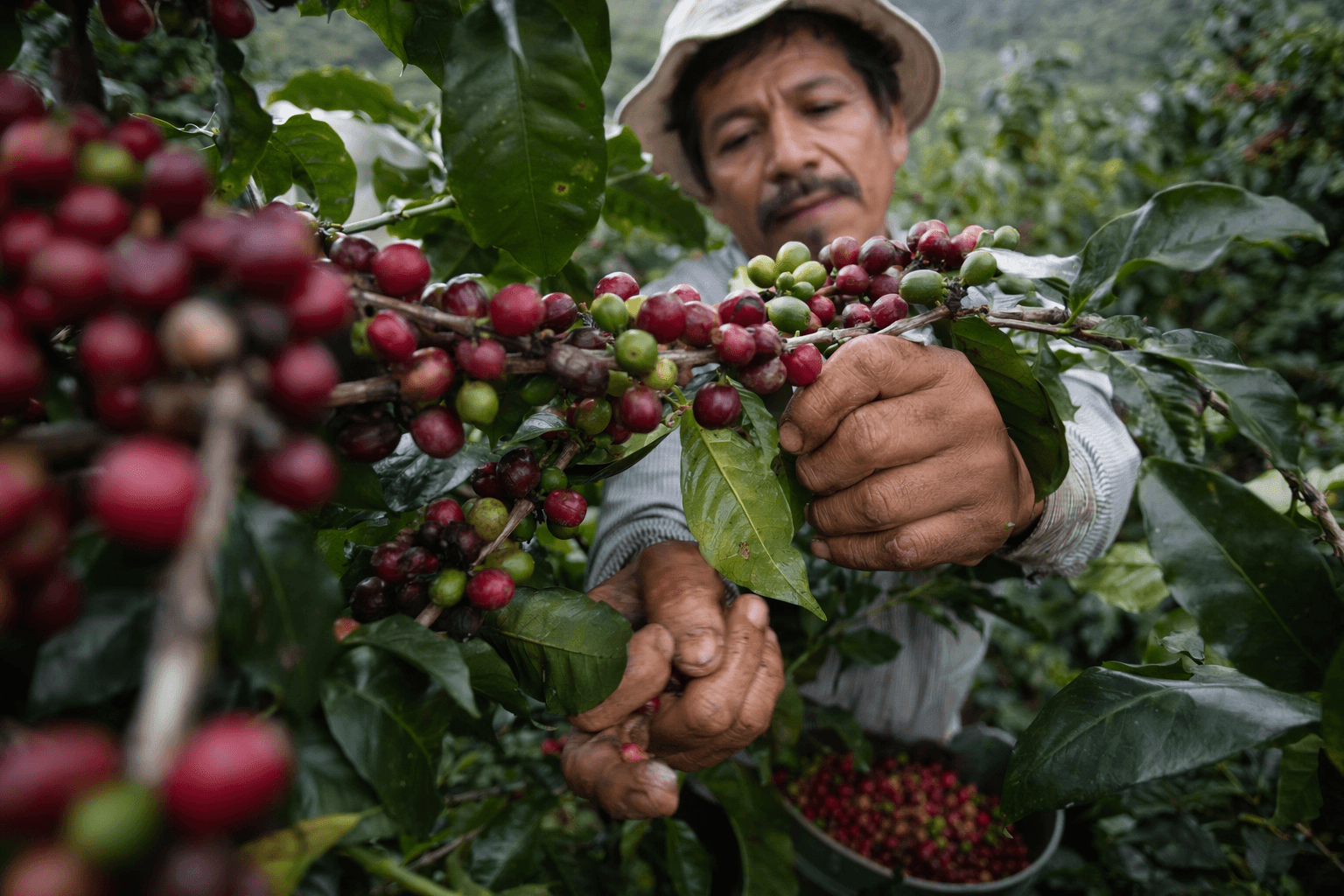
That matters in homes as much as on hillsides. Farmers said they handled low-yield years through loans, outside income, and cuts to household spending. On farms where coffee trees can remain productive for 20 to 30 years, the impact of those swings stretches across an entire growing career, shaping family budgeting, labor planning, and the way growers talk about success from one season to the next.
The timing is especially sharp in Costa Rica’s current crop outlook. The USDA Foreign Agricultural Service projected in May 2025 that 2025/26 coffee production would fall 10 percent to 1.17 million 60-kilogram bags after a 12 percent rise to 1.298 million bags in 2024/25. The same outlook cited labor shortages, heavy rains, and a strong local currency, while Costa Rica’s planted coffee area fell 11.9 percent from 93,697 hectares in 2018 to 82,539 hectares in 2022. Los Santos, which includes San Pablo de León Cortés, San Marcos de Tarrazú, and Santa María de Dota, had 28,519 hectares planted in 2022, making it the country’s largest coffee region.
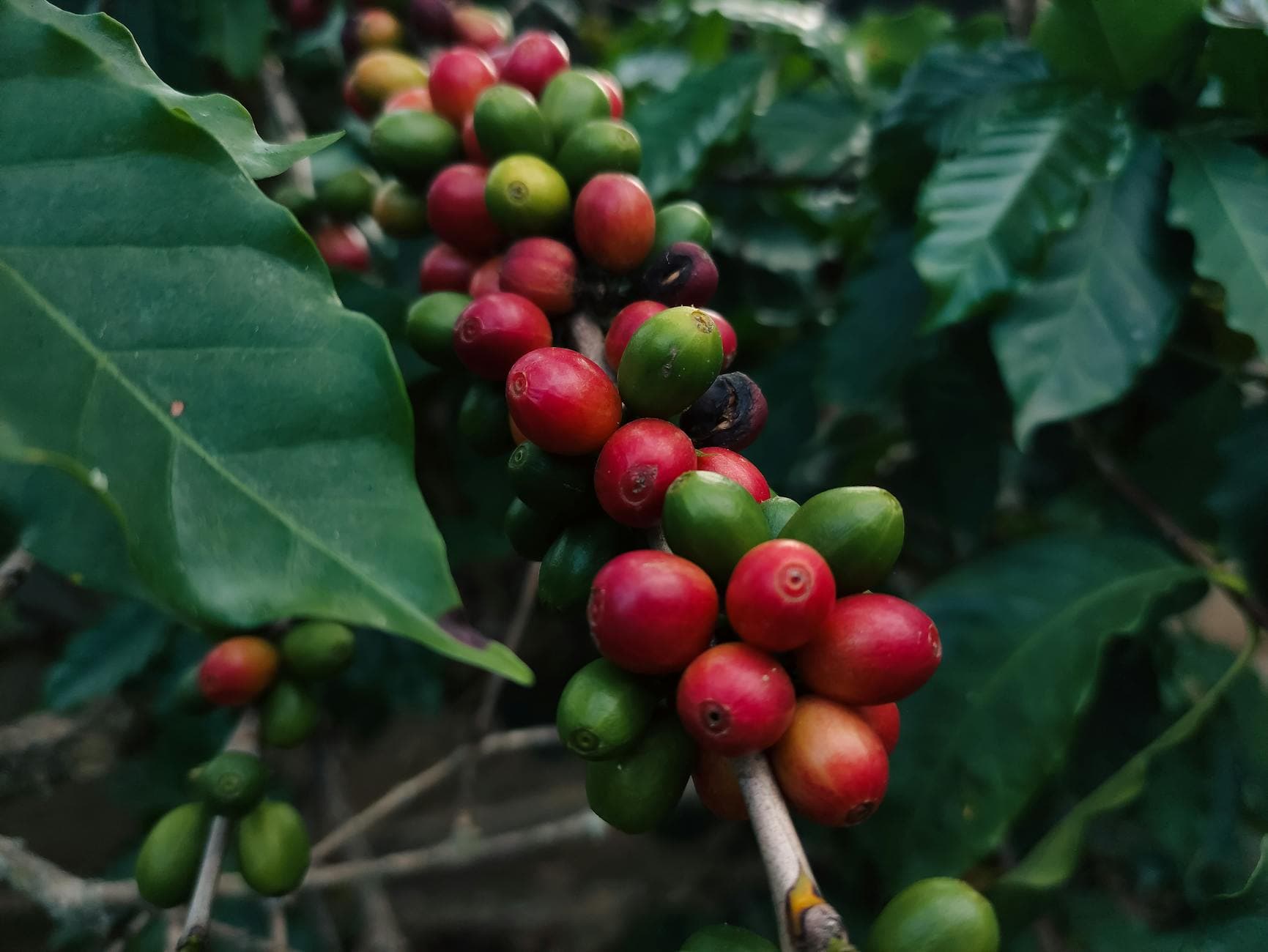
Coopedota, the cooperative network tied to the area, was founded in 1960 by 96 producers and now has 800 active partners with average production of 50,000 46-kilogram bags of green coffee beans. For origin buyers and roasters, the study is a reminder that stability in the cup starts with stability in the household, and that yield variability can ripple far beyond the farm gate.
This article was produced by Prism’s automated news system from verified source data, official records, and press releases, then run through automated quality and moderation checks before publishing. The system is built and supervised by the people who set the standards it runs under. Read our full AI policy.
Did this article answer your question?