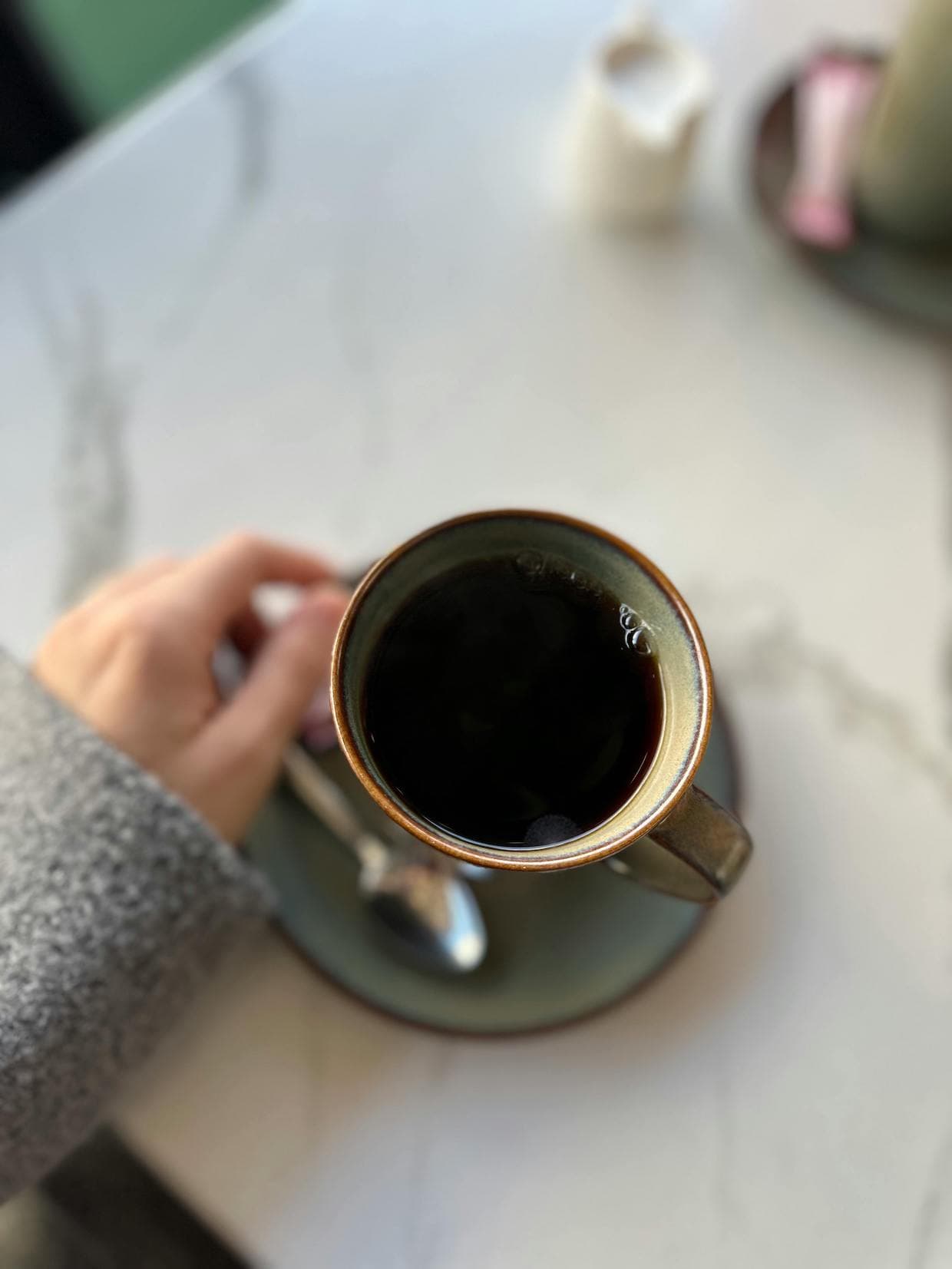
Decaf coffee sheds its afterthought image as wellness demand grows
Decaf is moving from apology cup to premium pour, backed by better processing, specialty wins, and a 12% U.S. share in 2025.

Decaf is getting a real second life, and it is not because people suddenly forgot caffeine exists. It is because more drinkers want coffee on their own terms: later in the day, with less stimulation, and without giving up flavor. That shift is turning decaf from a menu afterthought into a category that cafes, roasters, and home brewers have to take seriously.
Decaf is riding a bigger moderation shift
The strongest thing happening around decaf is not a lab breakthrough or a marketing slogan. It is demand. The National Coffee Association says its Spring 2026 National Coffee Data Trends report, collected January 5-20, 2026 from 1,850 nationally representative U.S. adults, found that 66% of American adults drank coffee in the past day. The same data set also showed specialty coffee at 47% past-day consumption, ahead of traditional coffee at 42%, which is a good reminder that drinkers are not just loyal, they are increasingly curious.
That matters because decaf is growing inside a market that is still enormous and habit-driven, not shrinking into irrelevance. The NCA said in 2024 that about 10% of American adults, roughly 26 million people, drank decaffeinated coffee each day. Industry coverage tied to NCA data then put decaf’s U.S. share at 9% in 2024 and 12% in 2025. That is not a novelty bump. That is a measurable shift in how people are choosing to drink coffee.
The old decaf stigma was always bigger than the coffee itself
For years, decaf got treated like a compromise: something you tolerated when you had to, not something you ordered because it was good. Barista Magazine’s take is that this is finally changing because the category itself has changed. Decaf now sits inside a broader wellness and moderation story, where consumers are actively reducing caffeine and alcohol, not merely avoiding them by necessity.
The history matters here because it shows how far the category has come. German coffee merchant Ludwig Roselius developed the first commercial decaffeination process in the early 20th century using steam, saltwater, and benzene. Benzene is now understood to be carcinogenic, so that method is obsolete, but it marks the beginning of decaf as an industrial process rather than a gimmick.
A major modern milestone came in 1985, when Swiss Water Decaffeinated Coffee Inc., based in Delta, British Columbia, piloted a chemical-free method. That shift helped decaf move from a technical workaround toward something that could be discussed on quality terms, which is exactly where the category needs to live now.
Decaf is not caffeine-free, and that distinction matters
One of the most useful things to understand about decaf is that the name can be misleading. The Food and Drug Administration says decaf coffee typically still contains 2 to 15 milligrams of caffeine per 8-fluid-ounce cup. The National Coffee Association says the FDA standard requires decaf to remove at least 97% of caffeine.
That is the practical reality behind the cup: decaf is a low-caffeine coffee, not a zero-caffeine one. For people managing intake, that difference is important, especially for afternoon drinkers, pregnancy-conscious consumers, and anyone who likes the ritual and flavor of coffee but not the full stimulant hit.
The chemistry also gets more public attention than it probably deserves. The NCA says the FDA has set a 10 parts per million standard for minute traces of methylene chloride in European Method decaf and has said the risk to consumers is essentially non-existent. That point matters because a lot of the old decaf distrust came from the assumption that if a process sounds industrial, it must be dangerous. In practice, the category has clear standards and a far more mature supply chain than the joke version of decaf ever implied.
Health framing has helped, but it has also become more specific
The wellness story around decaf is not just about avoiding jitters. It is about how coffee fits into everyday health habits. The American Heart Association has said drinking coffee in moderation appears safe for the heart, which keeps coffee from being framed as some kind of dietary villain.
At the same time, the health conversation is nuanced. The association has also noted that a 2021 analysis found caffeinated coffee was associated with lower heart-failure risk, while decaf did not show the same benefit. That does not make decaf a bad choice. It does make the point that health claims around coffee often depend on what is actually in the cup, not just whether the cup says coffee on it.
That nuance is useful for cafes and roasters because it clears room for a more honest sales pitch. Decaf does not need to pretend it is the same as regular espresso. It needs to be sold as what it is: a coffee option that fits different needs at different times of day.
Specialty coffee has already started proving the point
The clearest sign that decaf has moved up the ladder is that specialty coffee culture is now willing to reward it. Coffee Review reported that the 2024 U.S. Brewers Cup was won with a decaffeinated Typica from Finca Los Nogales in Colombia. That is not a pity win. That is a category win.
And the old “death before decaf” joke is losing heat, especially among younger consumers who are more open to low-caf and decaf drinks as part of a broader wellness-minded routine. In practice, that means decaf can do more than cover a missing slot on the menu. It can extend the daypart, pull in customers who want a second cup without ruining their sleep, and give cafes a way to serve more of the room instead of only the caffeine diehards.
The real story here is simple: decaf no longer has to apologize for existing. Better processes, stricter standards, specialty credibility, and a genuine shift in consumer behavior are making room for a category that used to live in the shadows. The cup that once got laughed off the bar is becoming one of the cleanest signals that coffee culture is still changing.
This article was produced by Prism’s automated news system from verified source data, official records, and press releases, then run through automated quality and moderation checks before publishing. The system is built and supervised by the people who set the standards it runs under. Read our full AI policy.
Did this article answer your question?