Drip irrigation cuts coffee’s environmental impact by 60% in Vietnam
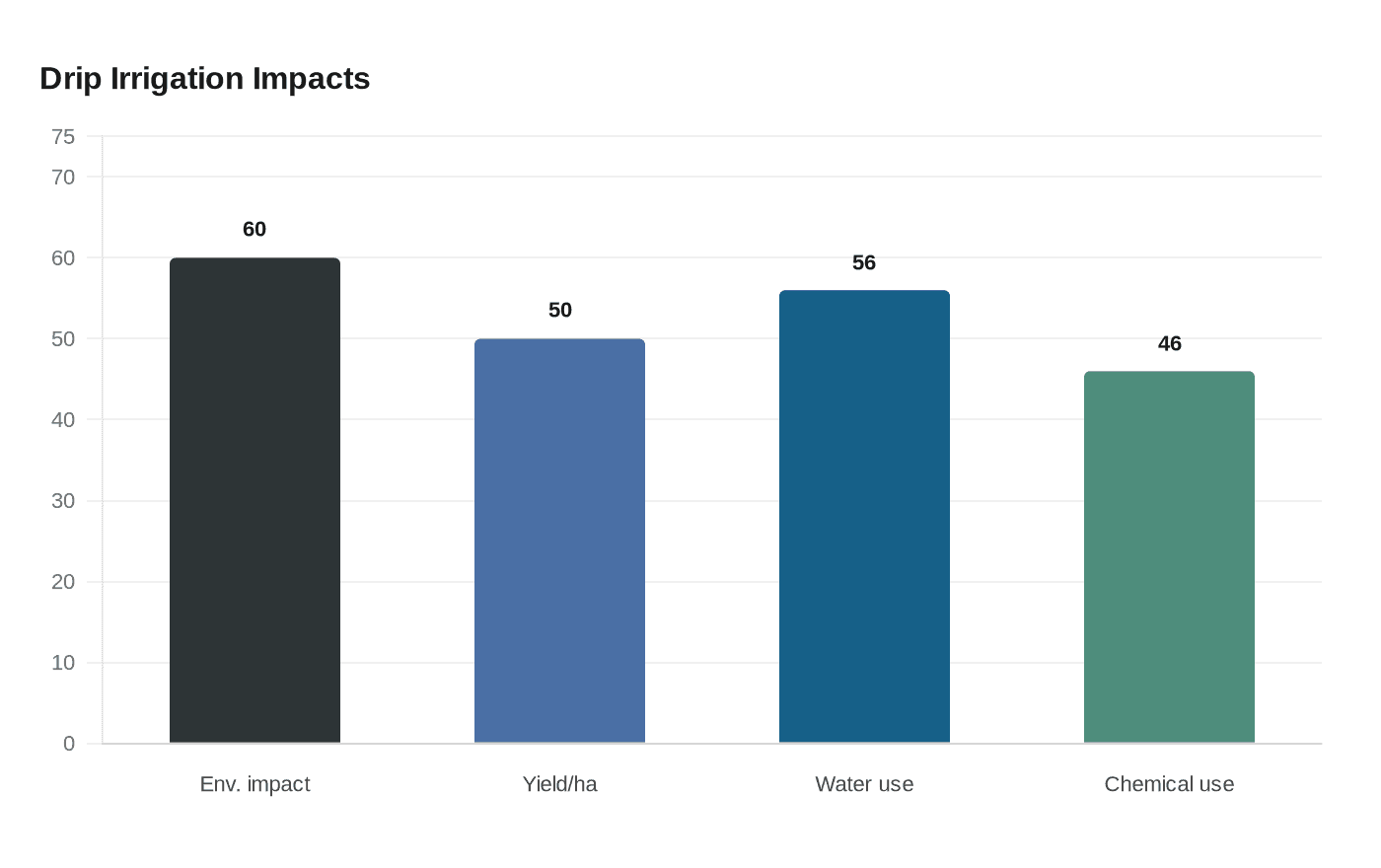
Drip irrigation cut coffee’s environmental impact by 60% in Dak Lak, while lifting yields more than 50% and trimming water use by 56%.
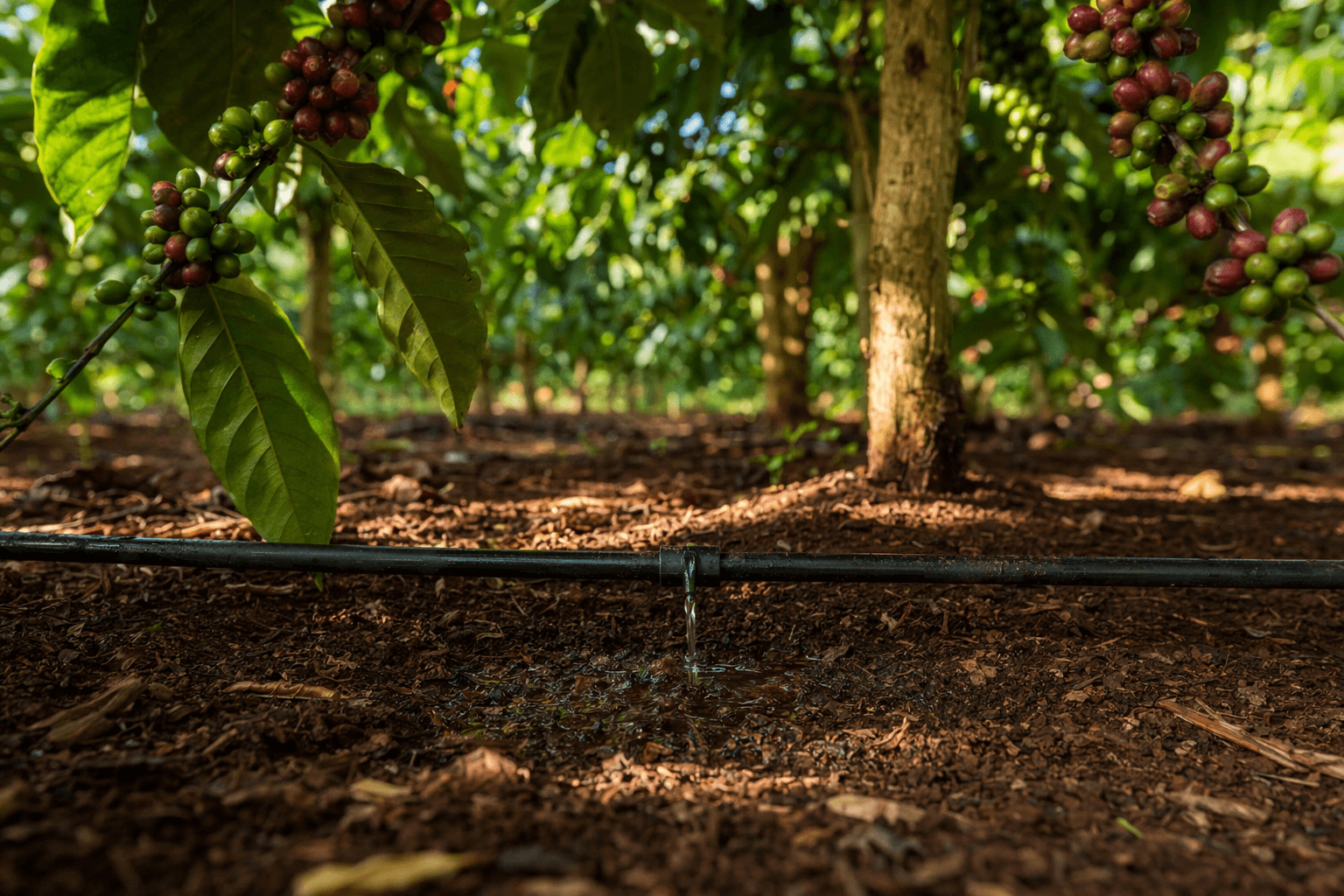
Drip irrigation cut coffee’s environmental impact by 60% in Dak Lak province, Vietnam, while also lifting yield per hectare by more than 50% and reducing water use by about 56%, according to a three-year assessment that compared the system with the overhead sprinkler setup widely used in robusta production.
The study, run from 2022 to 2024 across coffee plantations in Vietnam, looked at the full cultivation cycle. Netafim, the precision agriculture arm of Orbia, said the assessment measured water and energy use, agricultural inputs such as fertilizers and crop-protection products, and yield performance. Alongside the lower water demand, additional reporting on the study said chemical use per ton of coffee beans fell by 46%, reinforcing the claim that the gains were not limited to one part of the farm operation.
The timing matters in a country that sits at the center of the robusta market. The U.S. Department of Agriculture Foreign Agricultural Service forecasts Vietnam’s coffee production at 29 million 60-kilogram bags in marketing year 2024/25, including 28 million bags of robusta, and expects output to rise to 31 million bags in 2025/26. High global coffee prices have already pushed many Vietnamese farmers to invest in irrigation and intercropping to blunt the effects of drought and heat, especially in provinces such as Dak Lak and Dak Nong, where prolonged dry weather has threatened yields.
That makes the drip-irrigation result more than an environmental headline. In a market where robusta flows into instant coffee, soluble products and blends around the world, a system that delivers higher output with less water and fewer inputs looks like a direct business tool, not just a sustainability gesture. Netafim framed the work as part of its broader experience supporting coffee growers across Latin America, Asia and Africa, but the real test is scale: whether smallholders and mid-sized farms can finance, install and maintain the infrastructure, or whether the gains will concentrate on better-capitalized operations first.
The wider coffee sector has plenty at stake. The Food and Agriculture Organization of the United Nations says more than 25 million farmers depend on coffee production worldwide, and most are smallholders. It also identifies Brazil, Viet Nam and Colombia among the largest producing countries. As climate pressure rises and input costs stay elevated, water efficiency and resilience are becoming inseparable from supply security.
For Vietnam, the takeaway is blunt. If drip irrigation can hold down water use, chemical use and emissions while pushing yields higher, it could reshape the economics of robusta farming just as global buyers are demanding lower-carbon sourcing and more reliable supply.
This article was produced by Prism’s automated news system from verified source data, official records, and press releases, then run through automated quality and moderation checks before publishing. The system is built and supervised by the people who set the standards it runs under. Read our full AI policy.
Did this article answer your question?