Illy warns high coffee prices could trigger another market crisis
Illy says today’s coffee rally could sow the seeds of the next crash, even as Brazil’s crop and plantings point to another giant harvest.

High coffee prices can look like a gift to the market, but Andrea Illy says they are also setting up the next crisis. The Illycaffè chairman warned that historically high prices are creating a delicate balance, one that could tempt growers to overexpand now and then get crushed later if the market snaps back.
Brazil is the clearest example of that contradiction. Illy said he met with Brazil’s agriculture minister, André de Paula, in Brasília on Wednesday, May 7, and came away more optimistic about the country’s ability to handle weather stress, thanks to more resilient coffee varieties and better farming practices. The meeting also covered sustainability, value-added exports, trade protocols and implementation of the European Union Deforestation Regulation, showing how coffee’s price cycle is now tangled up with policy as much as supply.
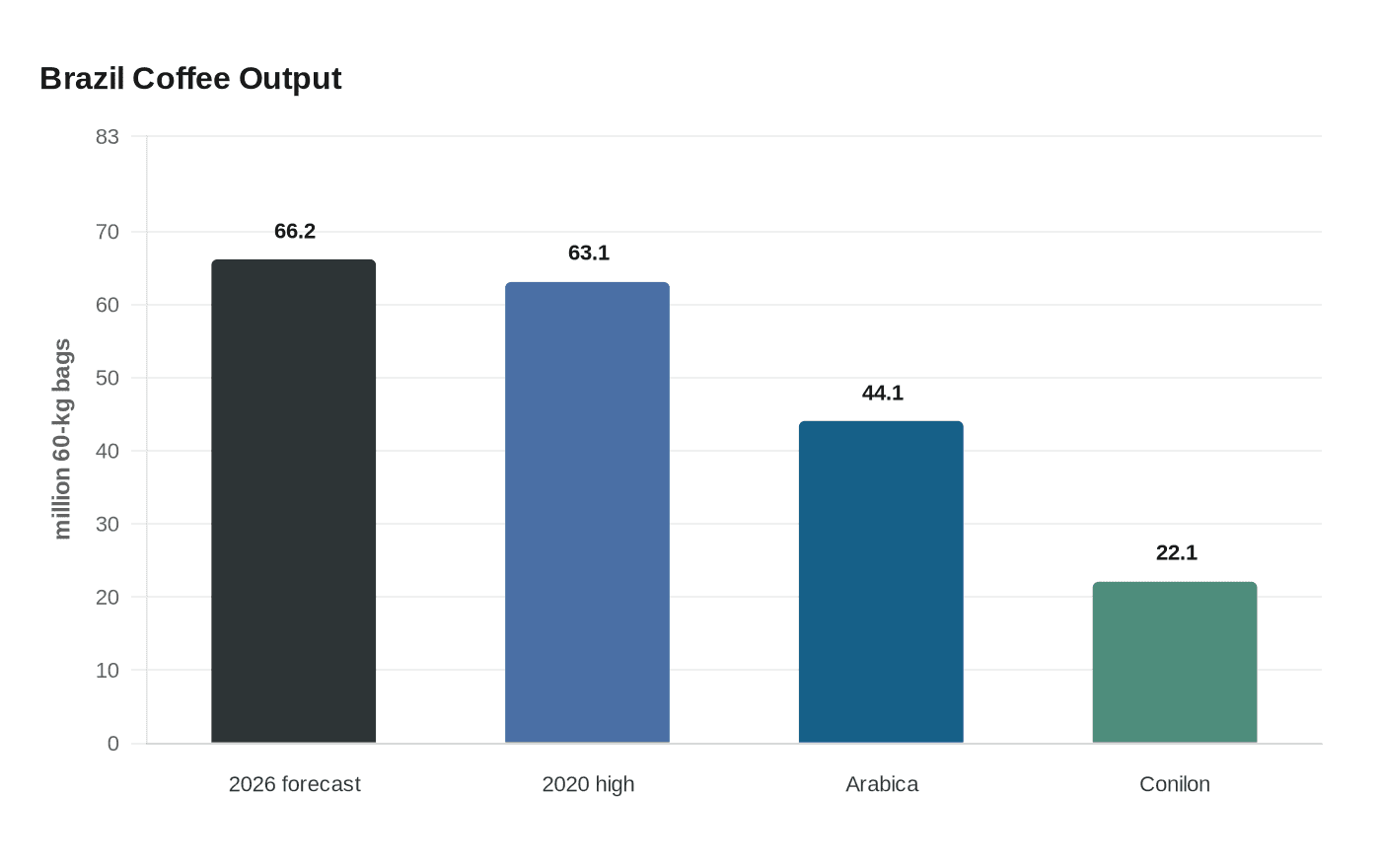
The numbers in Brazil are hard to ignore. Brazil’s National Supply Company forecast 66.2 million 60-kilogram bags of coffee for 2026 in an estimate dated February 5, which would be a record crop and top the previous high of 63.1 million bags set in 2020. Conab projected 44.1 million bags of arabica and 22.1 million bags of conilon, with total output up 17.1% from a year earlier. Illy said he also saw more new plantings on farm visits, a sign that growers are responding fast to the price signal.
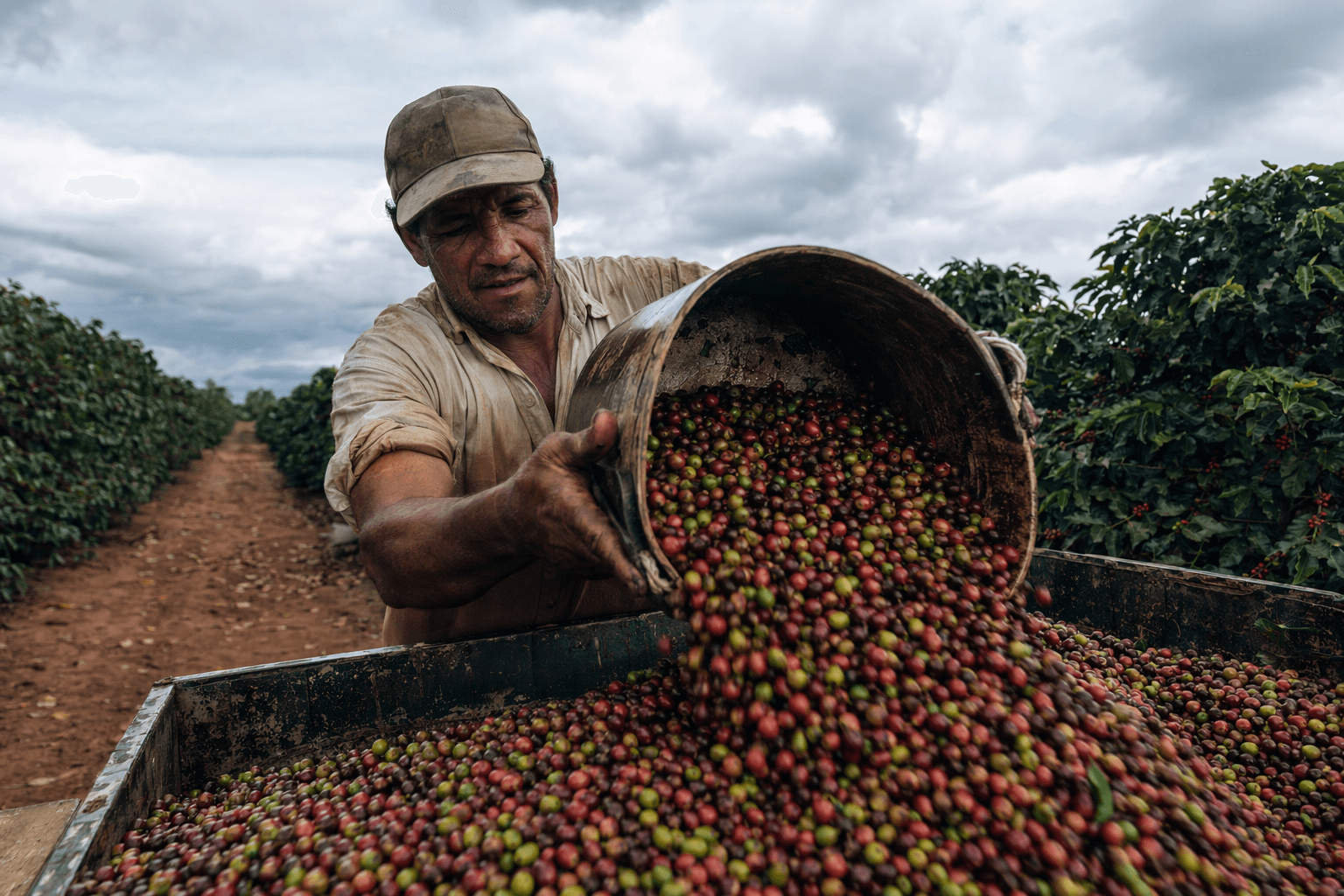
That is exactly why he is uneasy. If high prices keep pulling in fresh investment and new acreage, the industry could end up with too much coffee just as the market starts to soften. At the same time, weather remains a live threat, and any serious shock could still tighten supply and keep the system unstable. Brazil can grow more coffee, but it cannot fully escape climate risk.
The pressure does not stop at the farm gate. Illy pointed to fertilizer dependence as a major vulnerability, with Brazil importing about 85% to 90% of the fertilizer it consumes. Other industry reporting said war-related disruption in Iran has pushed fertilizer costs sharply higher, potentially leaving Brazil short 1 million to 3 million tonnes of inputs this year and squeezing the 2026/27 harvest. Embrapa-linked estimates in the coverage also pointed to higher productivity in Minas Gerais and Espírito Santo, helped by favorable weather, a positive arabica biennial cycle and renewed investment in technology and crop management.
Even with arabica around US$3.00 per pound on May 14, and well below last year’s peak, Illy’s warning lands because the market is still fragile. Brazil may be planting for abundance, but if the boom is left to run unchecked, the next crisis could be baked into the crop that everyone is celebrating now.
This article was produced by Prism’s automated news system from verified source data, official records, and press releases, then run through automated quality and moderation checks before publishing. The system is built and supervised by the people who set the standards it runs under. Read our full AI policy.
Did this article answer your question?