Ethiopia coffee output seen rising, China gains as key export market
Ethiopia’s crop is set to hit 12.1 million bags, with exports at 7.13 million and China taking a bigger slice of the trade.
Ethiopia’s next coffee cycle is pointing higher, and that matters for everyone buying green. The USDA Foreign Agricultural Service now sees MY 2026/27 green coffee output at 12.10 million 60-kilogram bags, with exports at 7.13 million bags, a lift that could ease some supply pressure for specialty buyers and give roasters a little more room in origin planning if the crop comes in as forecast.
The latest outlook is built on improved yields under normal weather conditions, and it is modestly stronger than the prior year’s estimate. In a June 3, 2025 projection, USDA had pegged MY 2025/26 production at 11.6 million bags and exports at 7.8 million. That earlier export number was higher than the new forecast, but the headline for the coming cycle is still simple: Ethiopia is expected to produce more coffee, and that extra volume should keep the country central to arabica buying even if the increase is not large enough to flood the market.

China is the other piece of the story. USDA says the market is rapidly emerging as one of Ethiopia’s top coffee buyers, helped by tariff-free access that gives exporters another outlet beyond traditional destinations. A USDA-linked report said Ethiopian coffee shipments to China grew by an average of 45% a year over the past five years, and China’s zero-tariff policy for imports from 53 African countries, effective May 1, 2026, should improve Ethiopia’s competitiveness further. For exporters trying to diversify risk, that is a real shift in the map, not just a diplomatic talking point.
The timing is important because MY 2025/26 is already an unusually tight and expensive stretch for Ethiopia’s export sector. USDA says record-high fresh cherry prices and rising operating costs are pressuring traders and exporters, even as the country pushes a policy mix aimed at supporting smallholders, liberalizing the market, attracting foreign investment, and integrating coffee more deeply into global trade. Ethiopia’s 15-year Comprehensive Coffee Development Strategy is even more ambitious, with the goal of making the country the world’s second-largest coffee producer and exporter.
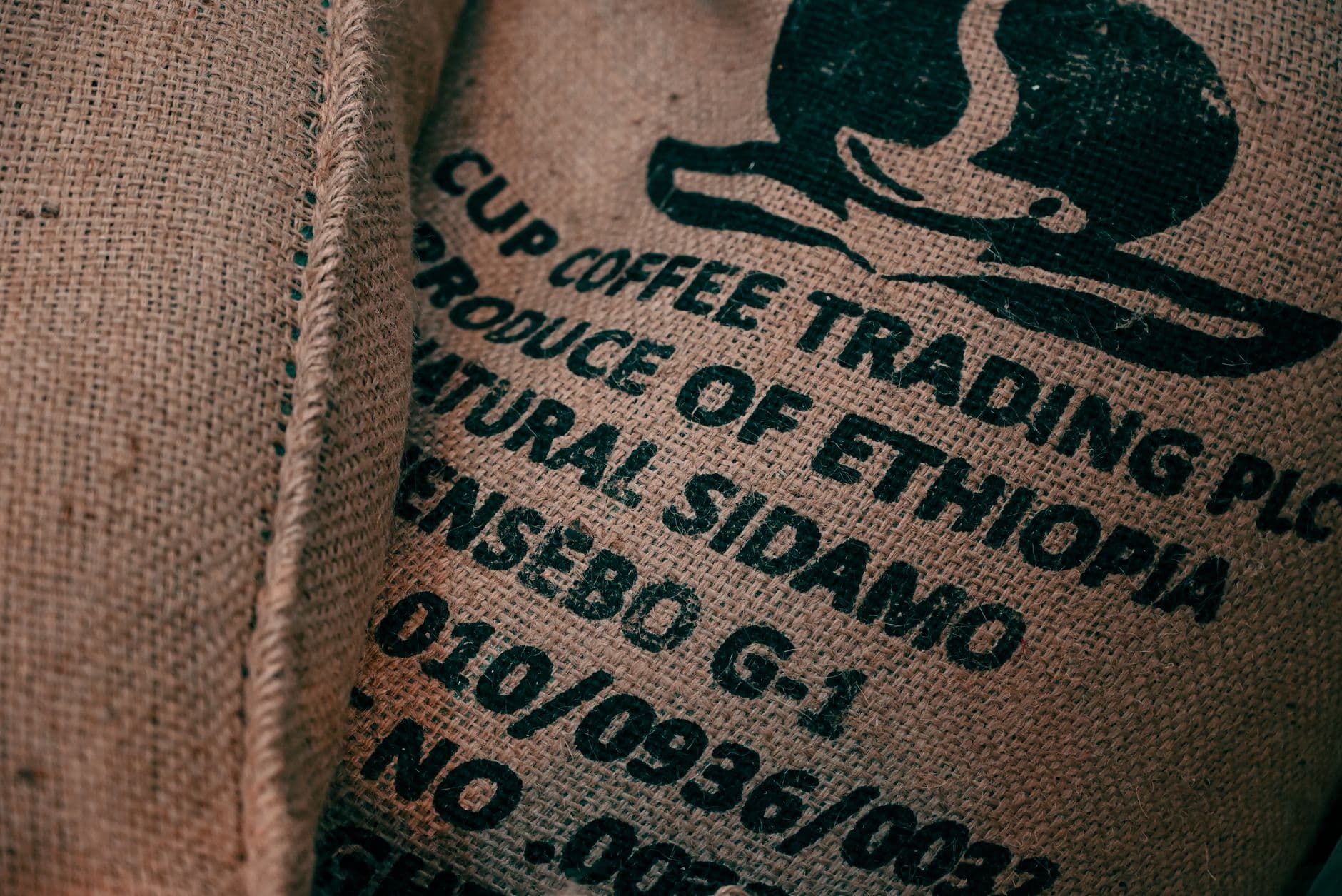
The push is not only policy-deep but field-deep. Ethiopia’s coffee value chain directly or indirectly supports about 25% of the population, and the sector is being propped up by tree renewal and modernization efforts, including a rejuvenation strategy with TecnoServe and the Ethiopian Coffee and Tea Authority in Oromia, Sidama, South-West Ethiopia, South Ethiopia and Central Ethiopia. Reporting also says 100,000 hectares have been allocated for private mechanized coffee farms, while harvested coffee area is forecast at 800,000 hectares in 2026/27. Put together, the crop outlook is not just about more bags. It is about Ethiopia trying to turn a better harvest, and a faster-moving China channel, into a stronger hand in the specialty market.
This article was produced by Prism’s automated news system from verified source data, official records, and press releases, then run through automated quality and moderation checks before publishing. The system is built and supervised by the people who set the standards it runs under. Read our full AI policy.
Did this article answer your question?