Ethiopia’s coffee exports hit $3 billion, surpassing Uganda’s earnings
Ethiopia’s $3 billion coffee haul came from premium Arabica, not bulk, pushing origin prestige and traceability to the center of the story.

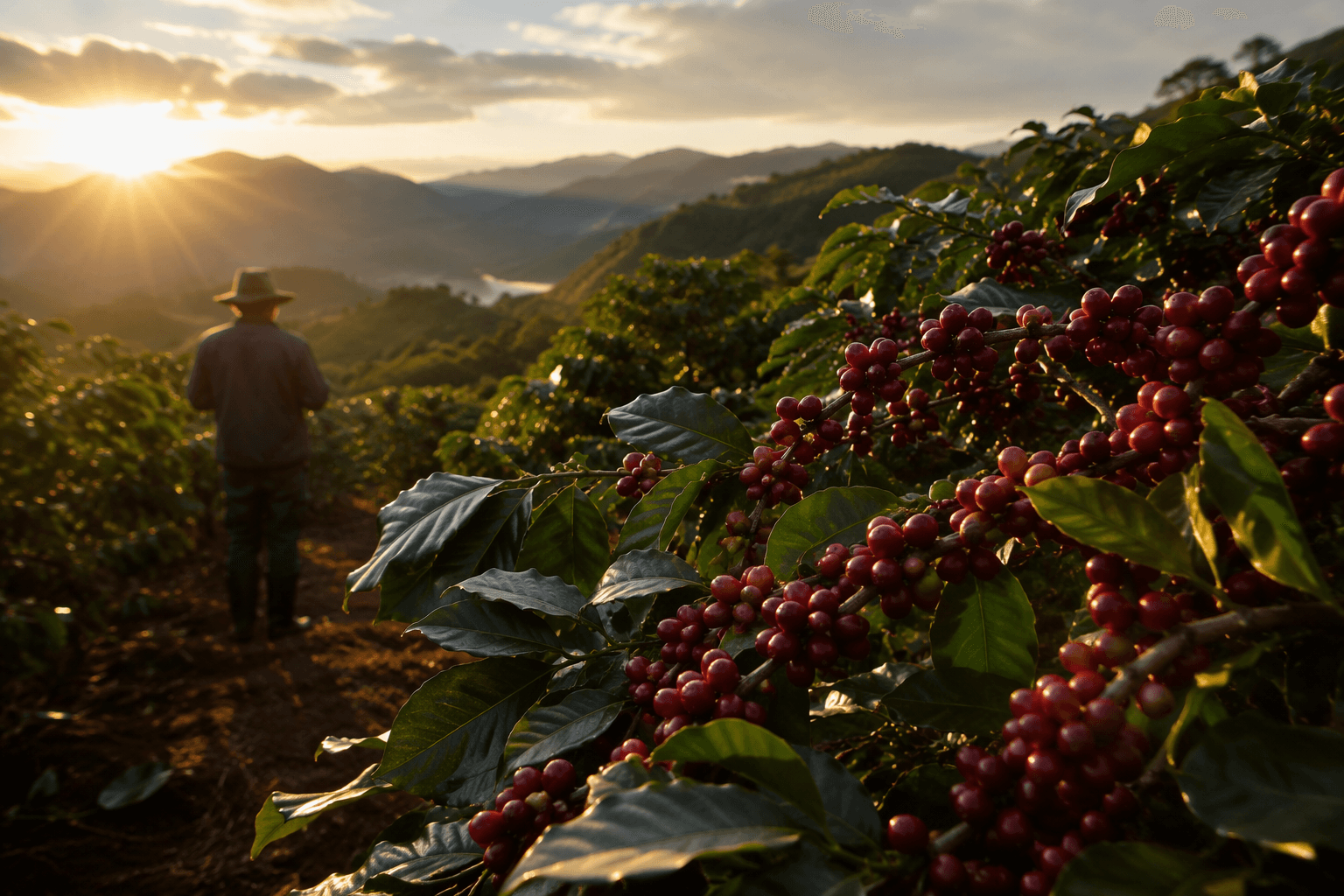
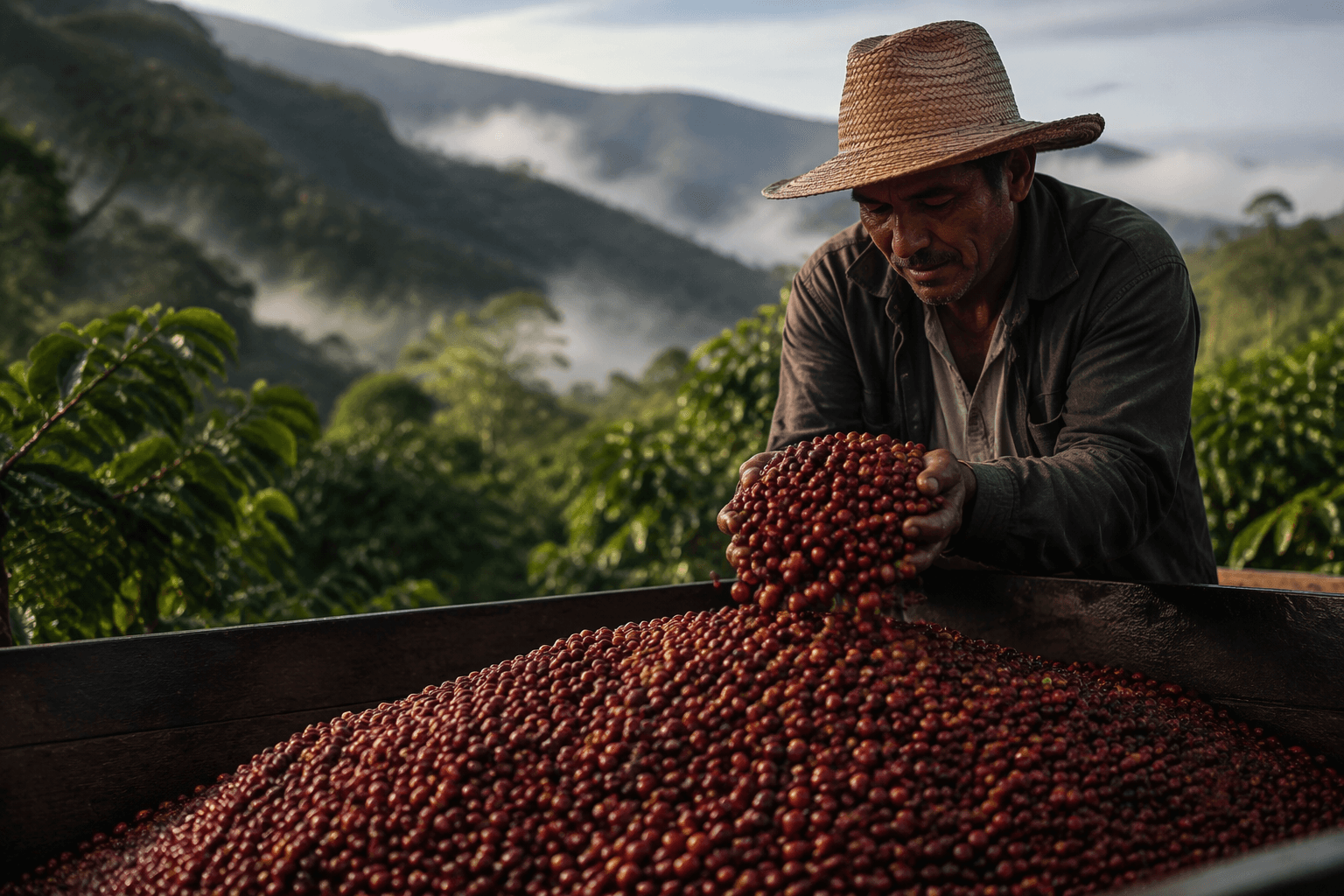
Ethiopia’s coffee export earnings hit $3 billion in the 2025/26 fiscal year, and the number says as much about specialty demand as it does about trade. The country cleared Uganda’s $2.4 billion by leaning on almost entirely premium Arabica beans, while Uganda’s export machine still runs mostly on lower-priced Robusta.
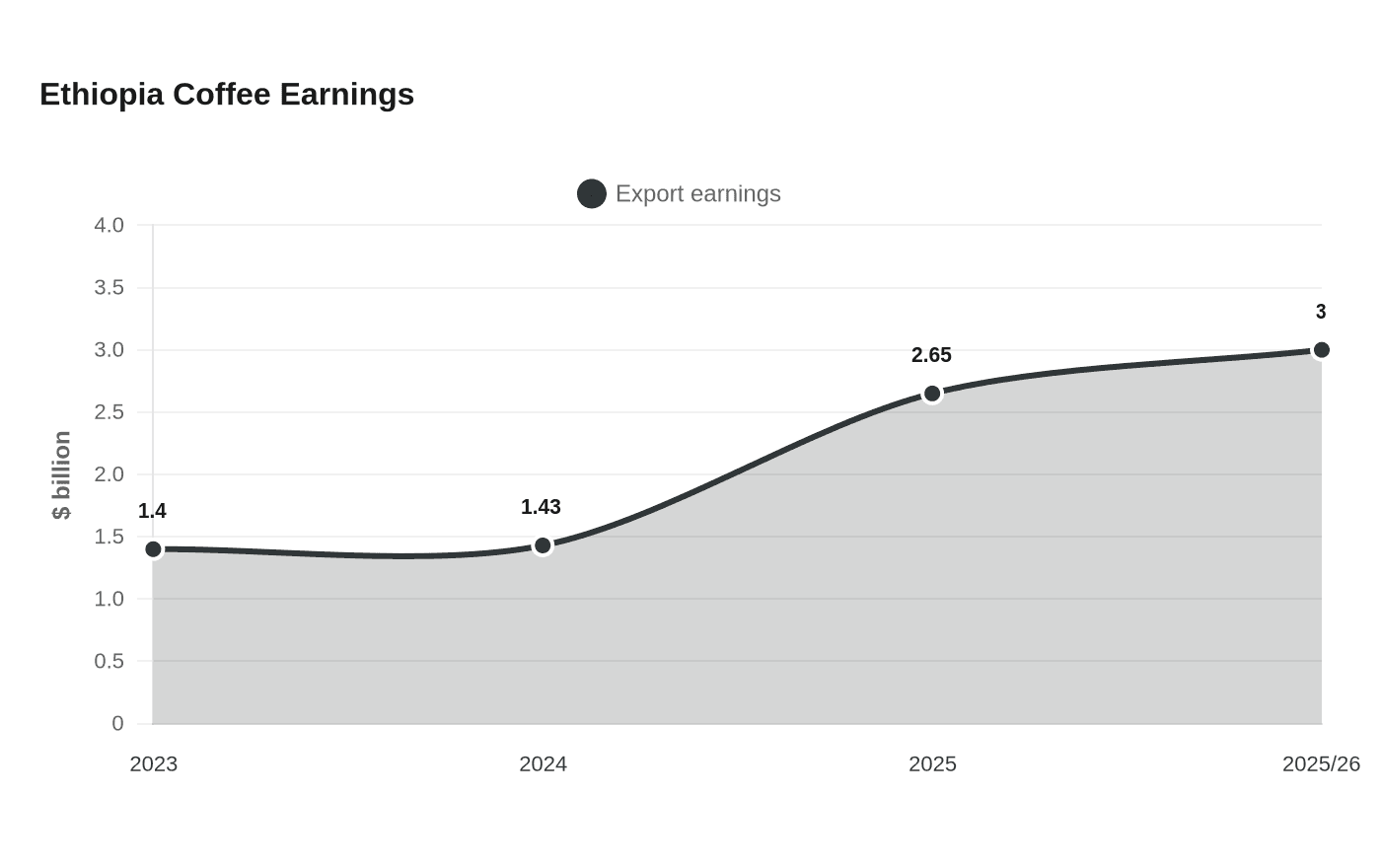
Addisu Arega, Ethiopia’s minister of agriculture, announced the milestone on July 3. State media said export earnings climbed from $1.4 billion in 2023 to $1.43 billion in 2024, then to $2.65 billion in 2025 before reaching $3 billion in the current fiscal year. Officials tied the jump to reforms aimed at boosting production, improving quality, expanding market access and raising competitiveness.
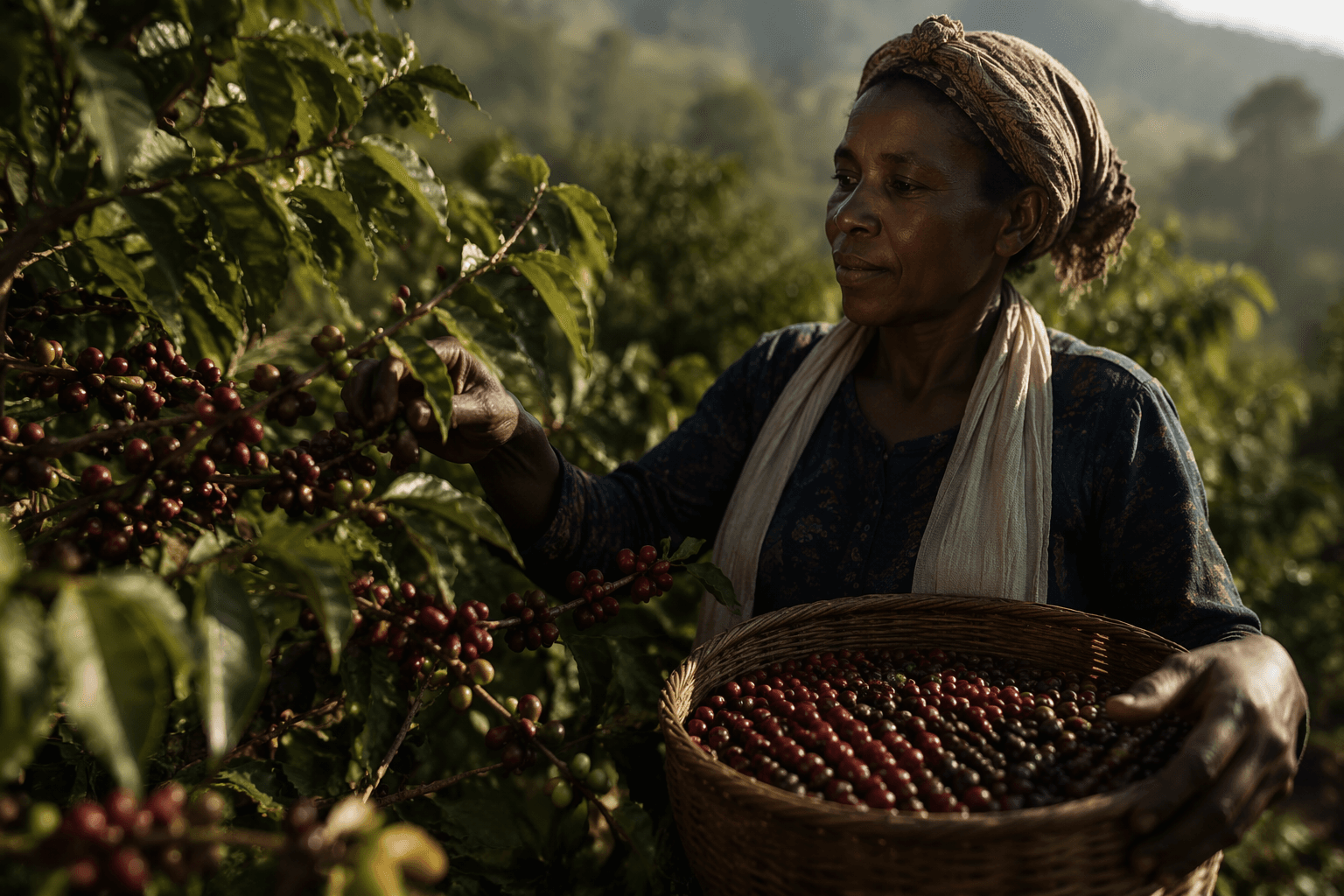
That quality push is now being wired into the country’s export infrastructure. In March 2026, the Ethiopian Coffee and Tea Authority completed the country’s first national digital coffee traceability platform with support from Germany’s GIZ. The timing matters because European Union deforestation rules are set to take effect on Dec. 30, 2026 for large operators, and EU-bound shipments account for about 30% of Ethiopia’s total coffee exports. For buyers, that turns traceability from a back-office compliance issue into part of the sales pitch.
The bigger coffee-market backdrop is still favorable for Ethiopia’s Arabica profile. The U.S. Department of Agriculture’s May 2026 outlook forecasts 7.13 million bags of Ethiopian coffee exports in 2026/27 and says China is rapidly emerging as a major buyer. At the same time, the season has been unusually tight, with record-high fresh cherry prices and rising operating costs squeezing traders and exporters even as demand holds firm. Ethiopian coffee is also said to support around 20 million people, a reminder that every shift in quality or market access runs straight through the farm and trader network.
Uganda’s numbers are strong in a different way. The Uganda Coffee Development Authority said the country exported 8.78 million 60-kg bags worth $2.38 billion in the year to April 2026, up 22% in volume and 23% in value from the year before. Its growth has been driven by higher output and better prices, especially for Robusta, while Arabica has expanded faster from a smaller base. Ethiopia’s win, by contrast, is the one that matters most to roasters and green buyers chasing prestige lots: it shows that in coffee, the origin that sells the story, the cup and the traceability can outrun the origin that simply ships more bags.
This article was produced by Prism’s automated news system from verified source data, official records, and press releases, then run through automated quality and moderation checks before publishing. The system is built and supervised by the people who set the standards it runs under. Read our full AI policy.
Did this article answer your question?