Global coffee production, exports and consumption hit record highs in 2026/27
USDA forecasts 189.7 million bags of coffee in 2026/27, with a 22.5-million-bag surplus that could ease pressure on cafe prices and subscription roasts.
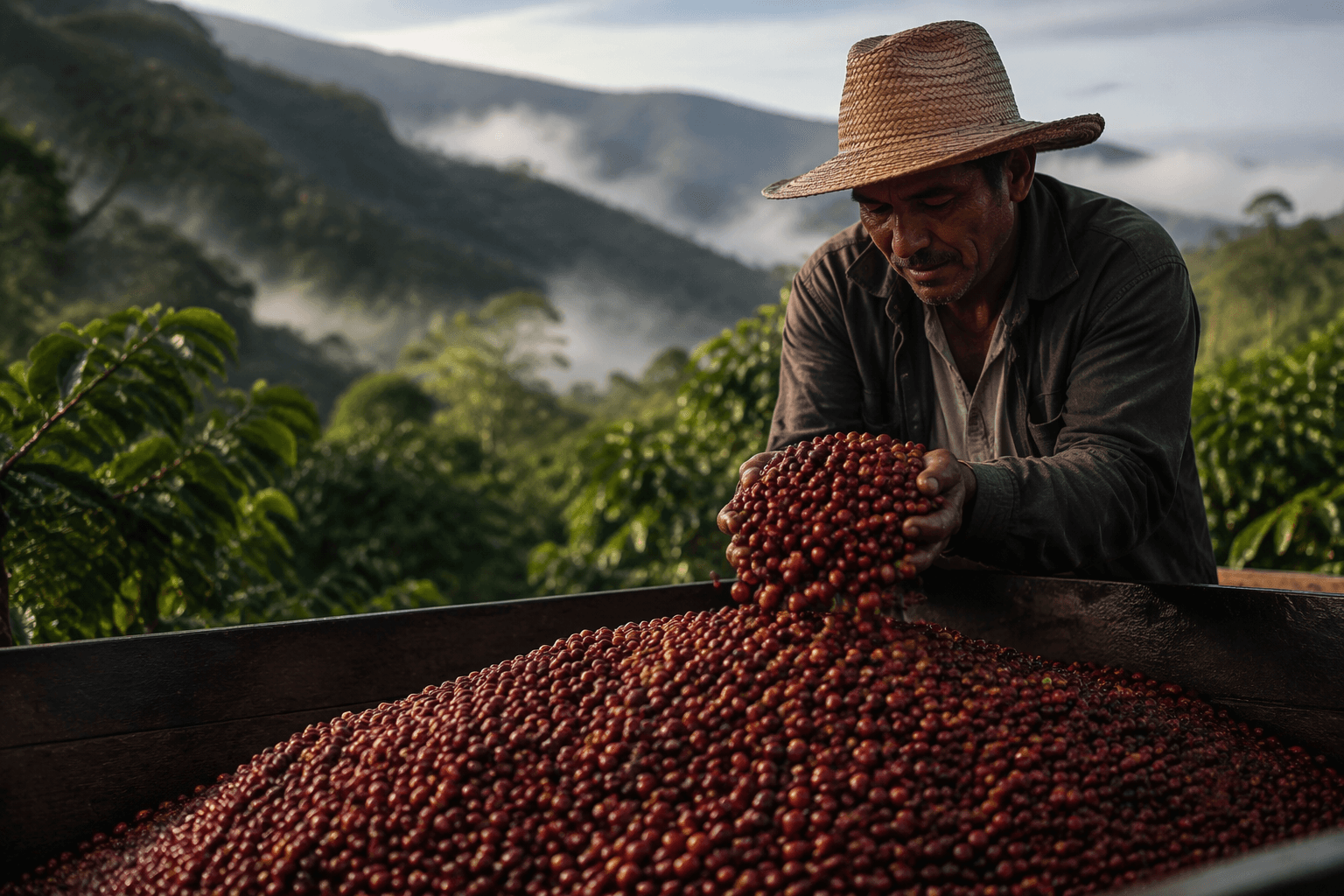
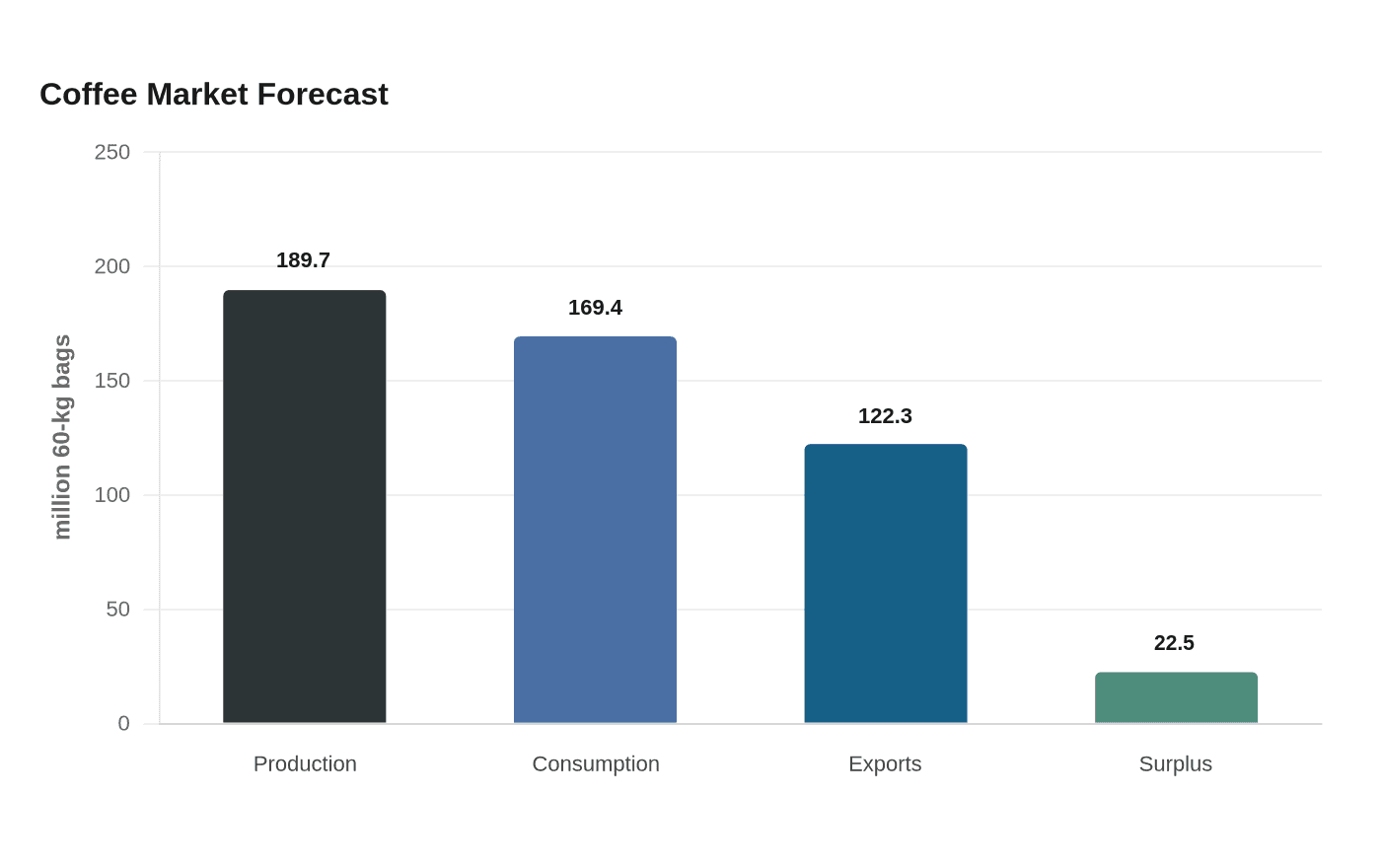
USDA Foreign Agricultural Service forecasts put global coffee production at 189.7 million 60-kilogram bags in 2026/27, with exports at 122.3 million and consumption at 169.4 million, all record highs. The bigger number for cafes and subscription boxes is the surplus: 22.5 million bags, up from 20.9 million in 2025/26.
That does not mean cheap bags are about to flood the shelf. StoneX is still calling for 182.5 million bags of production and a 10 million-bag surplus, a tighter call that suggests the market is loosening, not collapsing. For drinkers, the practical change is more likely to show up in fewer emergency price hikes, a steadier flow of house blends, and a better chance that a roaster can keep a coffee on the menu long enough for a second reorder instead of pulling it after one shipment.
The loosening supply picture matters most where the budget coffees live: espresso blends, office coffee, and the recurring roasts that make up monthly subscriptions. USDA forecasts published in December 2025 also pointed to Indonesia’s robusta crop rising to 11.0 million bags in 2025/26, and robusta is the part of the market that usually feeds cheaper blends and instant coffee before it touches the high-end filter shelf. A July 2025 comment from the head of the International Coffee Organization said relief in global supply could take about three years, which is why these bigger crop numbers matter now.
The market is also seeing more churn inside the companies that put coffee on the shelf. Massimo Zanetti Beverage Group, the Segafredo Zanetti owner, could be valued at up to €1.2 billion, with QuattroR, which owns roughly 70%, looking to exit and Massimo Zanetti considering selling his remaining stake. BC Partners and CVC have both been named among the firms circling the deal. That kind of ownership shift can change how aggressively a brand prices its retail bags, how wide it keeps its origin list, and how much it leans on food-service volume.
At the same time, roasters are pushing harder into processing experiments and traceability. Co-fermented and infused coffees, where producers add fruits, spices or hops during fermentation, have moved from novelty toward a real menu category, and a 2024 MDPI review laid out the microbial mechanics behind the trend. In April 2026, coffee companies launched a satellite-based program to track deforestation, another sign that the next year of coffee shopping will be shaped by both bigger crops and stricter sourcing pressure.
Those record figures do not guarantee bargain espresso, but they do point to a market with a little more coffee to sell, a little less panic in the chain, and more room for roasters to choose what stays on the shelf.
This article was produced by Prism’s automated news system from verified source data, official records, and press releases, then run through automated quality and moderation checks before publishing. The system is built and supervised by the people who set the standards it runs under. Read our full AI policy.
Did this article answer your question?