Expert Debunks Claim That Glyphosate Is Sprayed Directly On Coffee Beans
Cami Ryan cut through a common coffee myth: glyphosate is used around coffee farms for weeds, not sprayed on the plants themselves, because that would kill them.
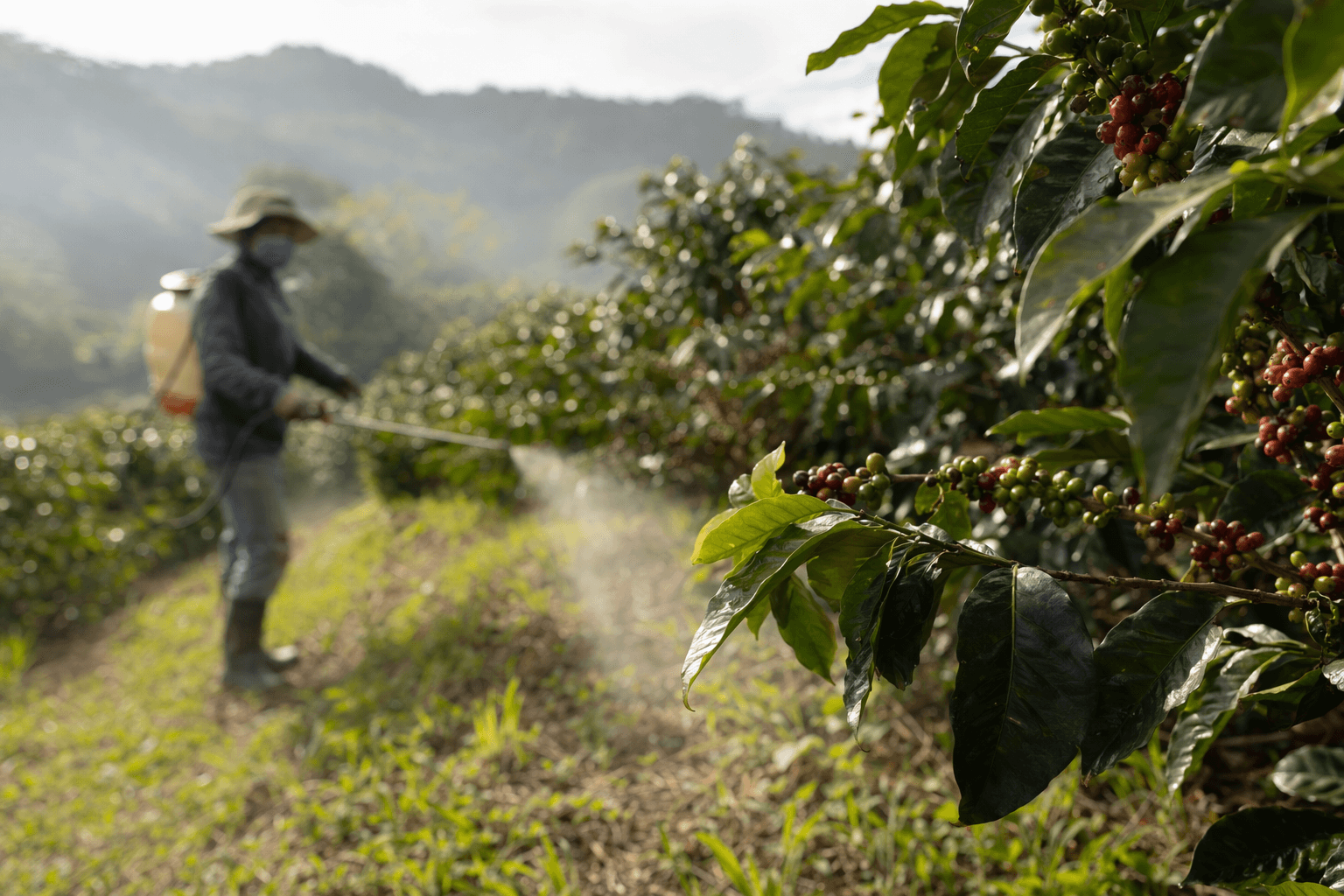
Agriculture expert Cami Ryan pushed back on one of the loudest claims in the coffee debate: glyphosate is not sprayed directly on coffee plants, because that would kill the crop. The distinction matters. On coffee farms, glyphosate has been used as a weed-control tool around plantations, while the real scientific concern is spray drift, which can contaminate beans if application is careless.
That nuance sits at the center of a louder fight over organic versus conventional coffee marketing. A 2025 study indexed in PubMed found weed infestation is especially damaging between flowering and fruiting, and said glyphosate use can lead to crop contamination and accumulation in coffee beans through drift during application. Another 2024/2025 analytical study found a method suitable for monitoring glyphosate residues in unroasted green coffee beans and detected contamination in two authentic samples, both below the quantification limit.
The coffee itself adds another layer. A 2022 study found glyphosate degradation products form during roasting and that levels in green beans do not directly mirror what ends up in brewed coffee. That matters when brands try to turn residue claims into a simple moral divide between organic and conventional. In coffee, the chemistry is messier than the marketing.
USDA rules are also part of the story. The National List governs which substances may be used in organic production, and synthetic substances are generally prohibited unless they are specifically allowed. USDA organic residue guidance says products with prohibited pesticide residues can be excluded from organic sale. That makes residue claims more than a branding fight, especially when shoppers are being told that one side of the aisle is clean and the other is saturated with spray.
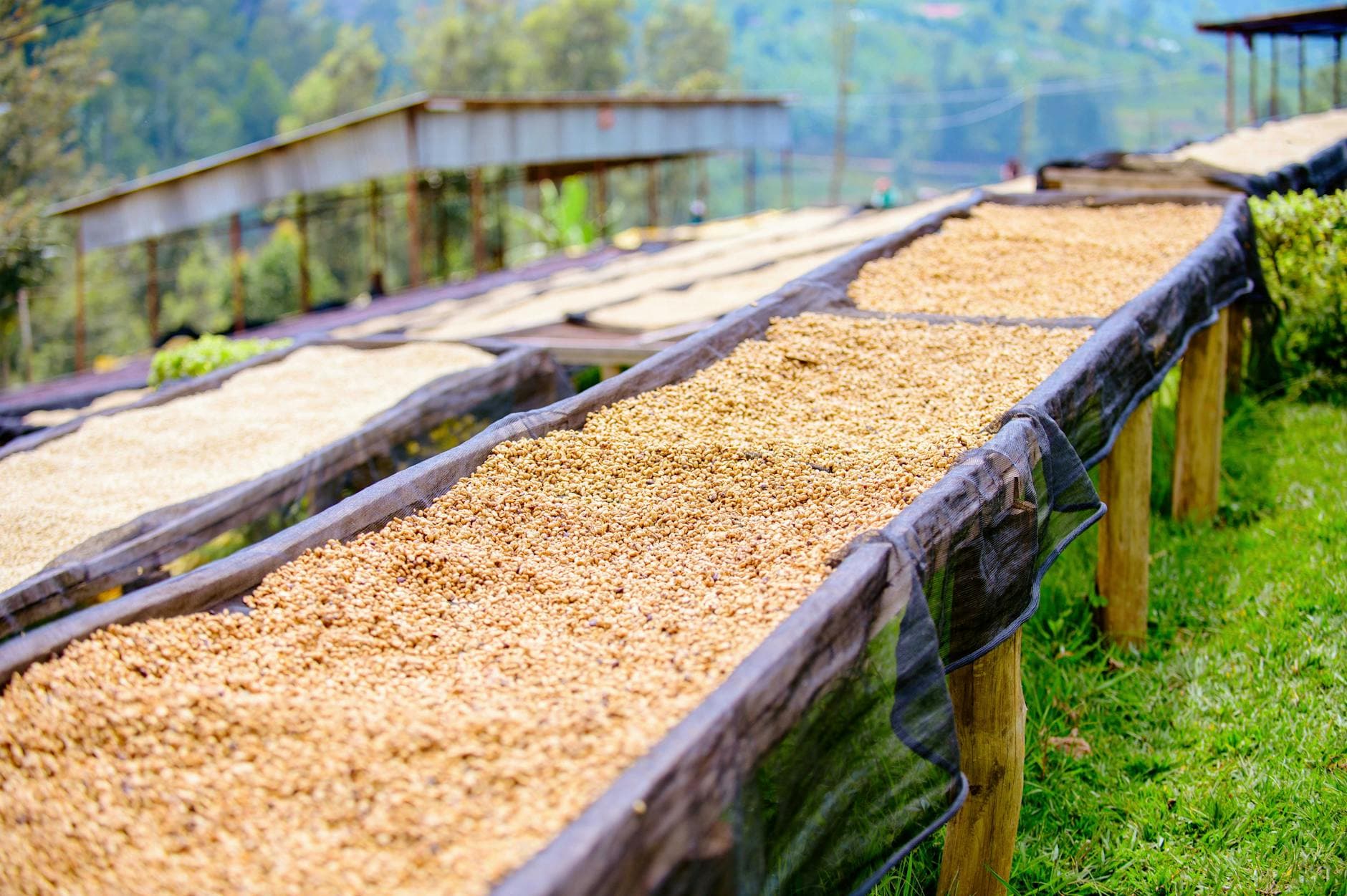
The larger market pressure is real, too. USDA Foreign Agricultural Service identifies Brazil as the world’s largest coffee producer and exporter, and that scale shapes how farmers manage weeds, labor and costs across huge acreages. Meanwhile, glyphosate remains politically radioactive well beyond coffee. AgWeb reported that Bayer has paid more than $10 billion to plaintiffs in Roundup litigation, and that Bill Anderson has been trying to get those liabilities under control by 2026. That kind of legal baggage helps explain why frightening pesticide narratives keep resurfacing in coffee conversations.
The practical takeaway is simple: direct spraying on coffee plants is not the story. Drift, residue testing and residue policy are. If a label, ad or post suggests otherwise, it is selling fear, not agronomy.
This article was produced by Prism’s automated news system from verified source data, official records, and press releases, then run through automated quality and moderation checks before publishing. The system is built and supervised by the people who set the standards it runs under. Read our full AI policy.
Did this article answer your question?