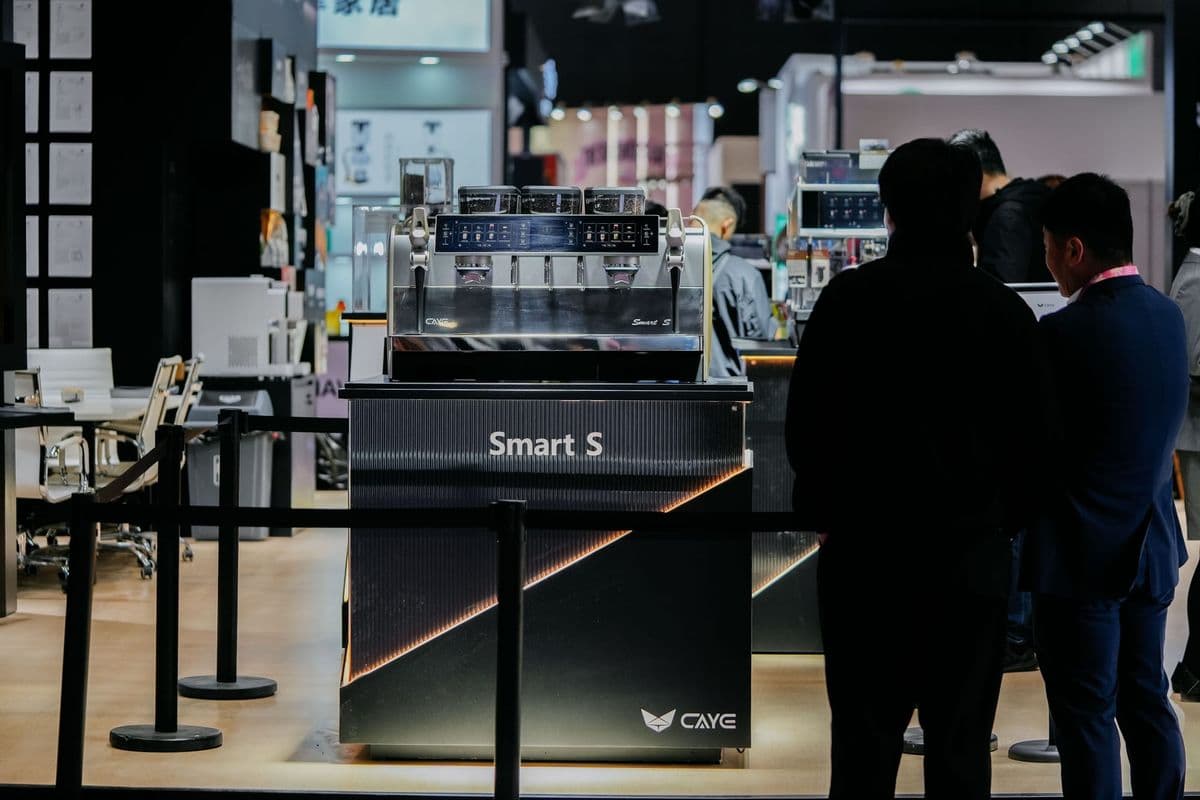
Freeze-dried coffee surges as drinkers seek fresher, premium instant brews
Freeze-dried coffee is beating standard instant as brands push café-like flavor, cold-dissolving formats and higher price points at home.
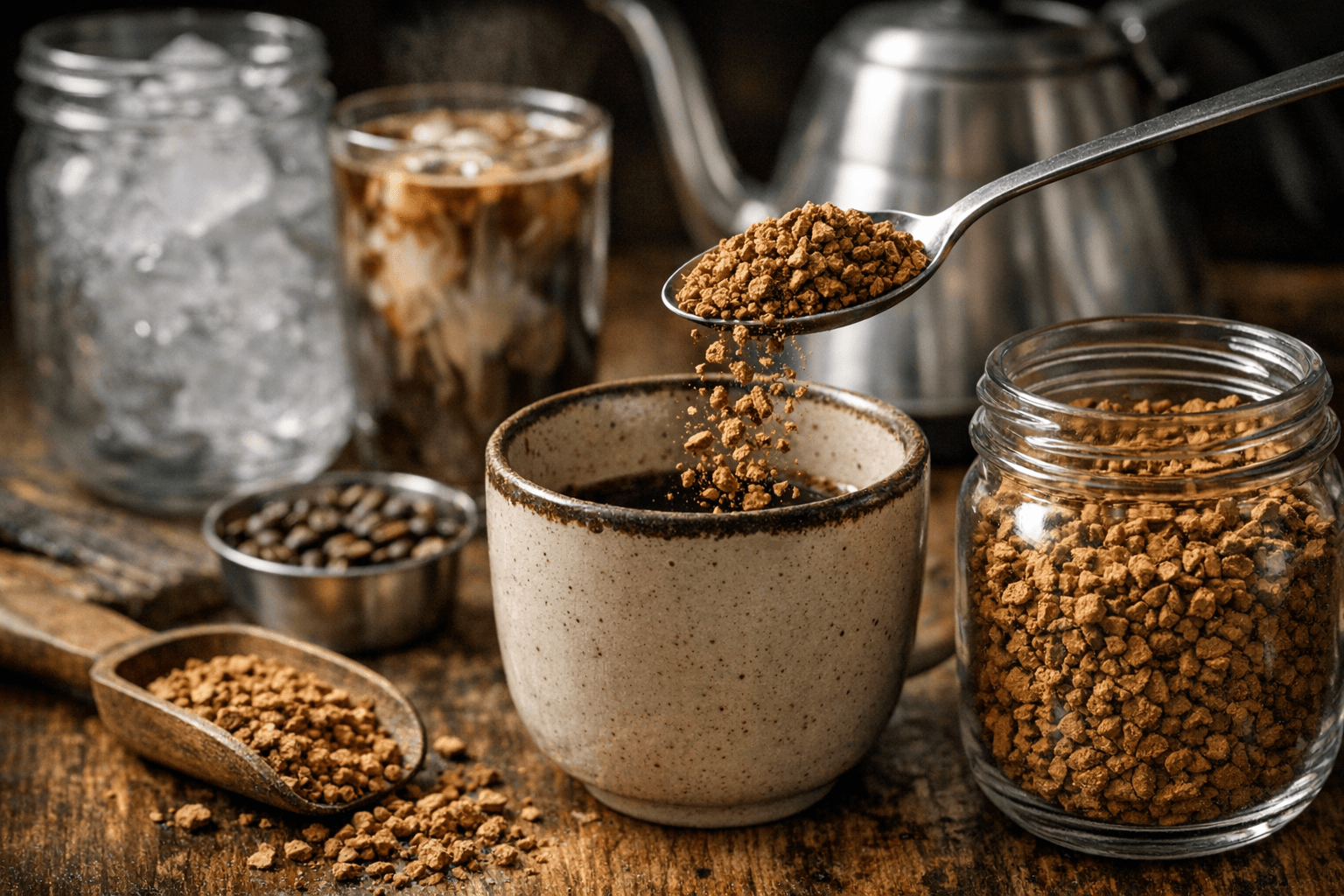
Freeze-dried coffee is doing the unlikely work of upgrading instant. The category is no longer just the quick, budget backup in the pantry; it is becoming the premium shelf where brands are betting consumers will pay more for better flavor, smoother texture and café-style drinks made at home.
Nestlé has spent decades building that case. The company says Nescafé Gold Blend launched in 1965 as its freeze-dried soluble coffee innovation, extending a line that began when Nestlé was asked in 1929 to find a use for unsold Brazilian coffee stocks after the Wall Street Crash. After three years of work led by Dr. Max Morgenthaler’s team, Nescafé debuted in Switzerland on April 1, 1938. Nestlé now says Nescafé is present in more than 180 countries and that more than 5,500 cups of Nescafé instant coffee are consumed every second worldwide.
That scale matters because the premium end of instant is growing fastest. Nestlé brought NESCAFÉ Gold Espresso and NESCAFÉ Ice Roast to the U.S. market on April 3, 2024, aiming squarely at drinkers who want espresso-based and cold coffees without leaving home. The company said Gold Espresso was designed to make at-home espresso-style coffee easier, while Ice Roast was its first coffee made to dissolve in cold water or milk. In 2025, Nestlé said it developed a freeze-drying technique that lets premium soluble coffee dissolve in cold liquids while still delivering a smooth, rich flavor, first used in Japan with Nescafé Iced Blend.
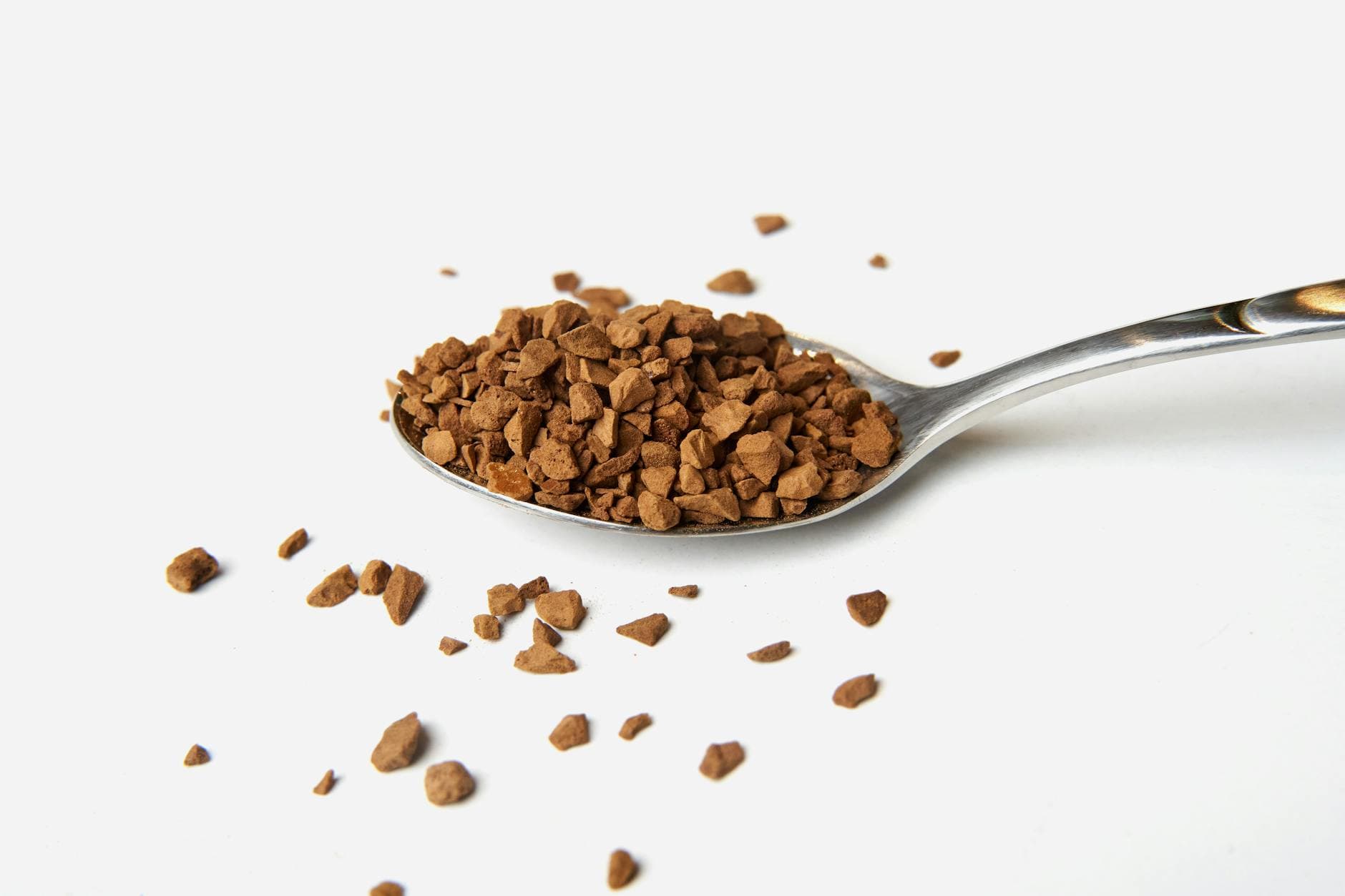
The push has also reached Starbucks-branded instant. Through the Starbucks-Nestlé Global Coffee Alliance, the companies launched Starbucks Crema Collection Premium Instant Coffee, another signal that convenience coffee is being repositioned as a quality product instead of a compromise. That repositioning is what makes freeze-dried coffee stand out: lower-temperature drying preserves flavor better than standard instant, giving brands a way to sell premium taste in a shelf-stable format.
The market is still smaller than roast-and-ground coffee, but the numbers show real momentum. One 2026 market report projected the global freeze-dried coffee market at $14.36 billion in 2026 and $20.18 billion by 2031, while noting that freeze-drying is energy-intensive and costly because it depends on vacuum sublimation at low temperatures. In the U.S., the stakes are especially high: the National Coffee Association says coffee supports 2.2 million jobs and nearly $350 billion in annual economic impact, and its Spring 2026 data showed nearly 195 million American adults drink coffee each week. For big brands, premium instant is no longer a side bet. It is part of the race to win the at-home cup.
This article was produced by Prism’s automated news system from verified source data, official records, and press releases, then run through automated quality and moderation checks before publishing. The system is built and supervised by the people who set the standards it runs under. Read our full AI policy.
Did this article answer your question?