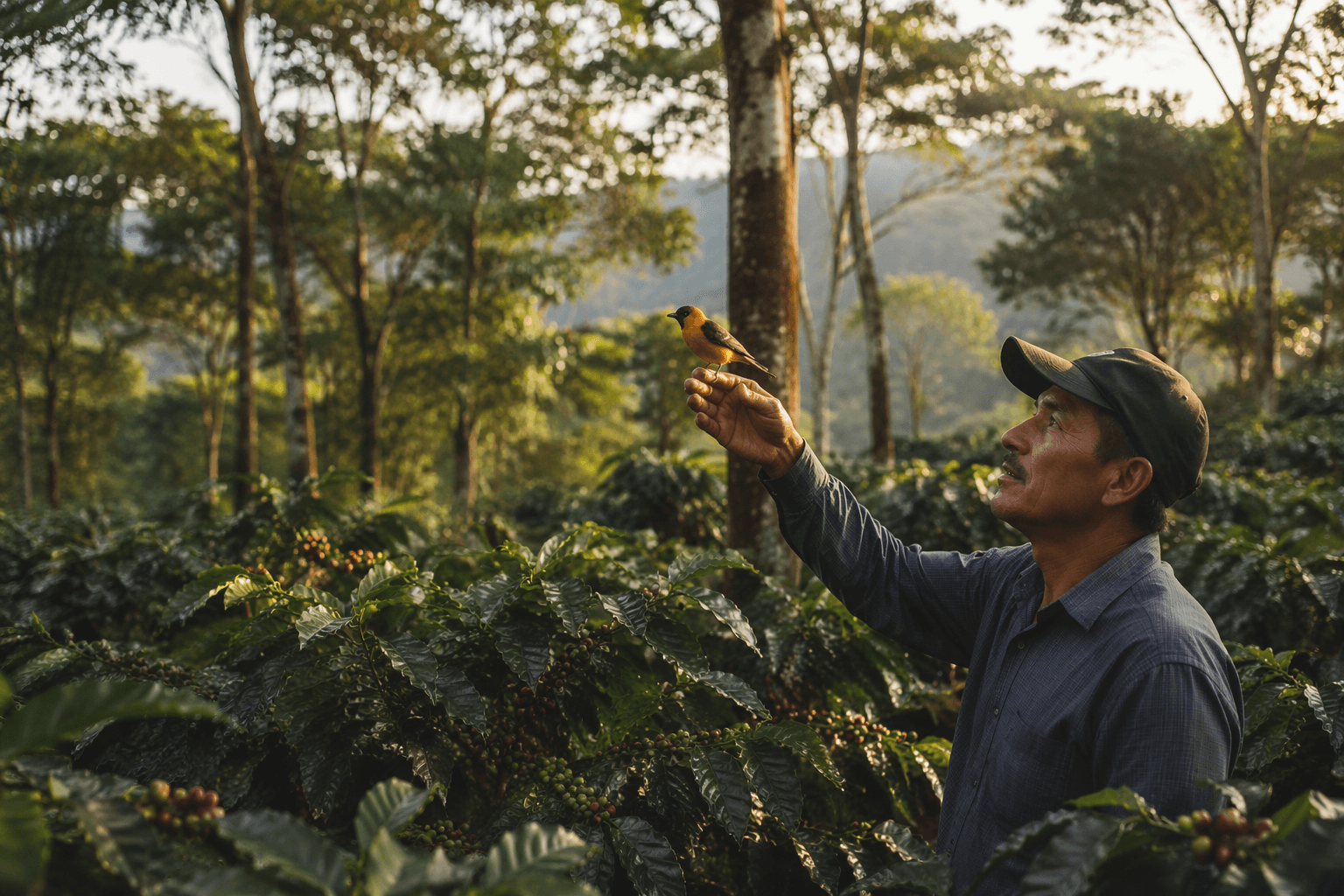
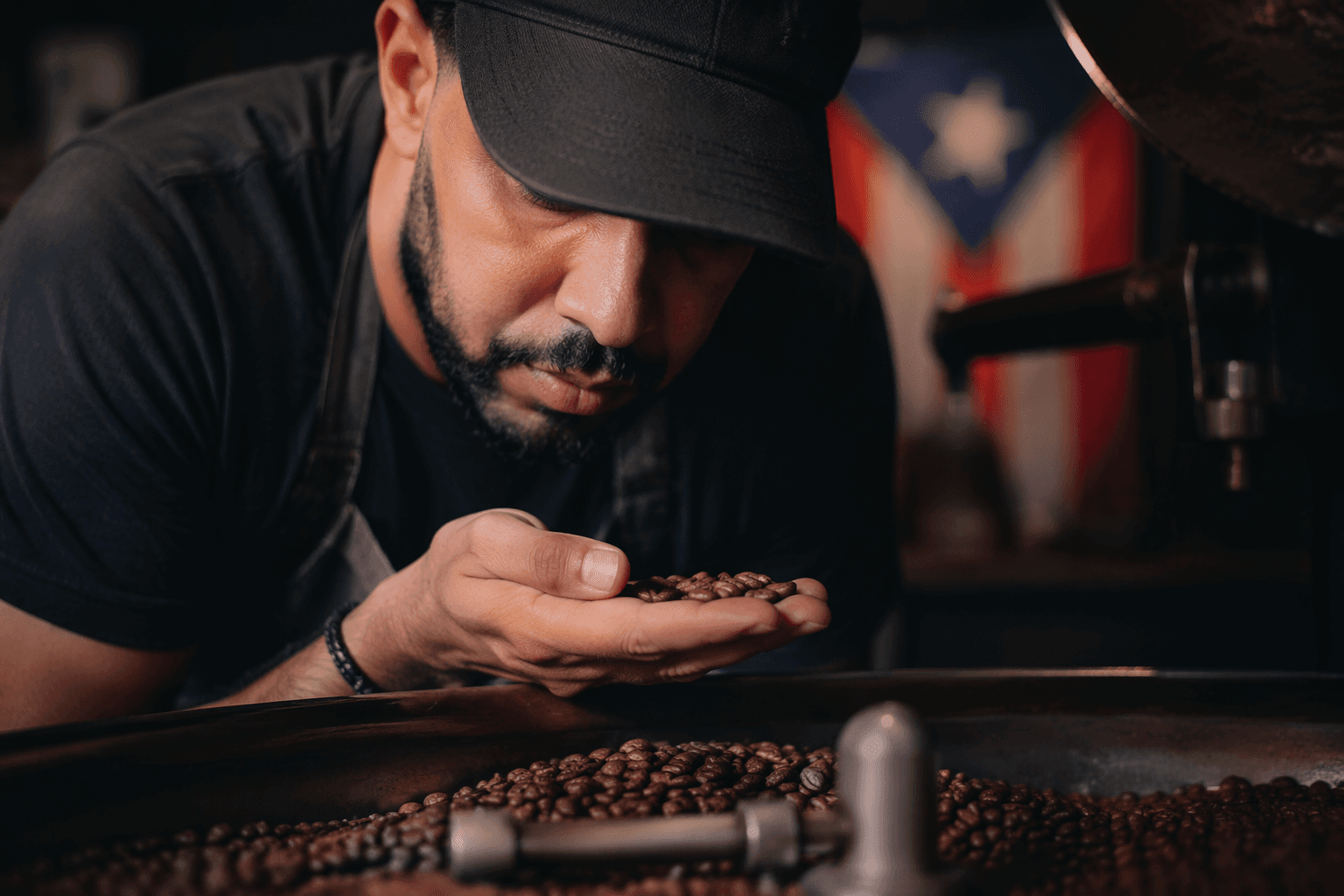
Italian coffee brands depend on Brazil as farmers earn pennies
Brazil grows the beans, but Italian brands capture the premium. The real margin is made in roasting, packaging, and brand story, while farmers keep only pennies.
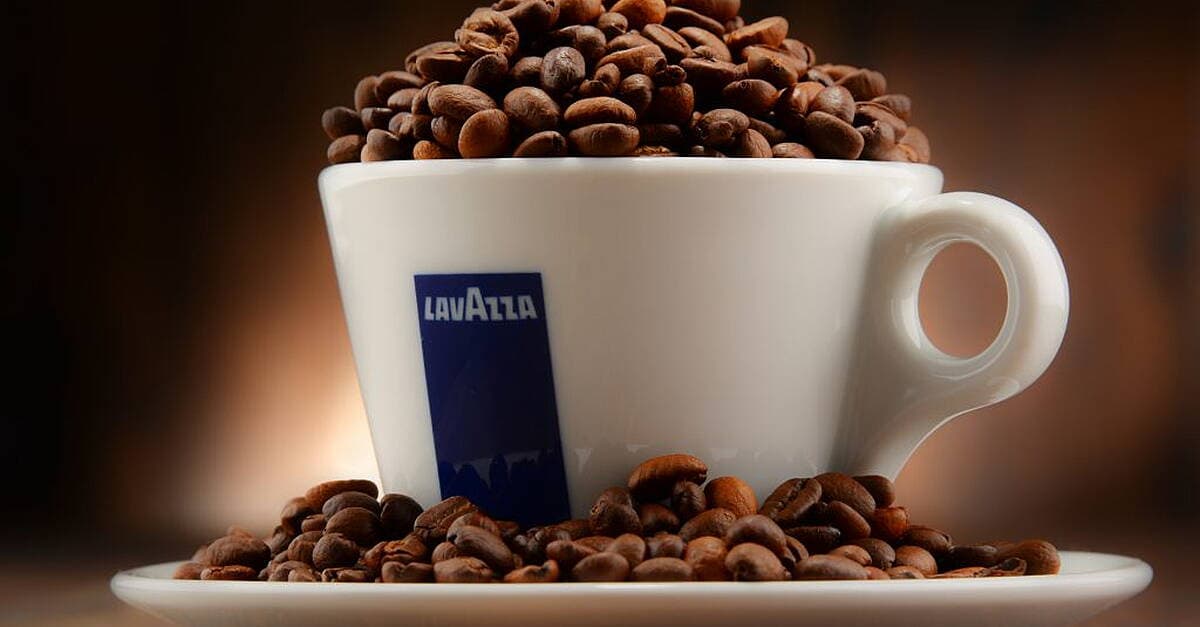
Italian coffee starts with Brazilian farm labor, but it ends as a premium story sold through Italian brands. That gap is the whole trade in miniature: origin supplies the bean, branding supplies the markup, and the farmer is left with the smallest slice of the cup.
How the value shifts after the farm gate
Once green coffee leaves the farm, the economics change fast. Roasting, blending, packaging, capsule systems, retail shelf placement, and national brand prestige all add value long before a drink reaches a café counter or kitchen cabinet. That is why the commodity bean can become a high-priced espresso product without much of that extra money flowing back to the people who harvested it.
Fairtrade’s data makes the imbalance easy to see. Producers typically retain around 1% of the retail price of coffee, and farmers generally earn only 7% to 10% of retail value. In practical terms, a $4 cup can leave about four cents at the farm level, while the rest is captured downstream by traders, roasters, packers, distributors, and the brands that dominate the final shelf.
Brazil carries the production load
Brazil sits at the center of this system because it produces coffee at industrial scale. The International Coffee Organization said Brazil’s 2022/23 crop reached 65.49 million bags, a new record and an 8.4% increase in an on-year of the biennial cycle. That volume gives Brazilian coffee enormous influence over global supply, prices, and the flavor profiles that major European brands build their identities around.
The country’s coffee sector is also a major employer and export engine. Other sources put Brazil’s coffee industry at roughly 4.5 million jobs and about 0.5% of GDP, which shows how deeply the crop is woven into the national economy. In Minas Gerais, one of the country’s most important coffee states, an International Labour Organization assessment in 2025 said production spans more than one million hectares and generates an estimated 4.6 million direct and indirect jobs across more than 600 municipalities.
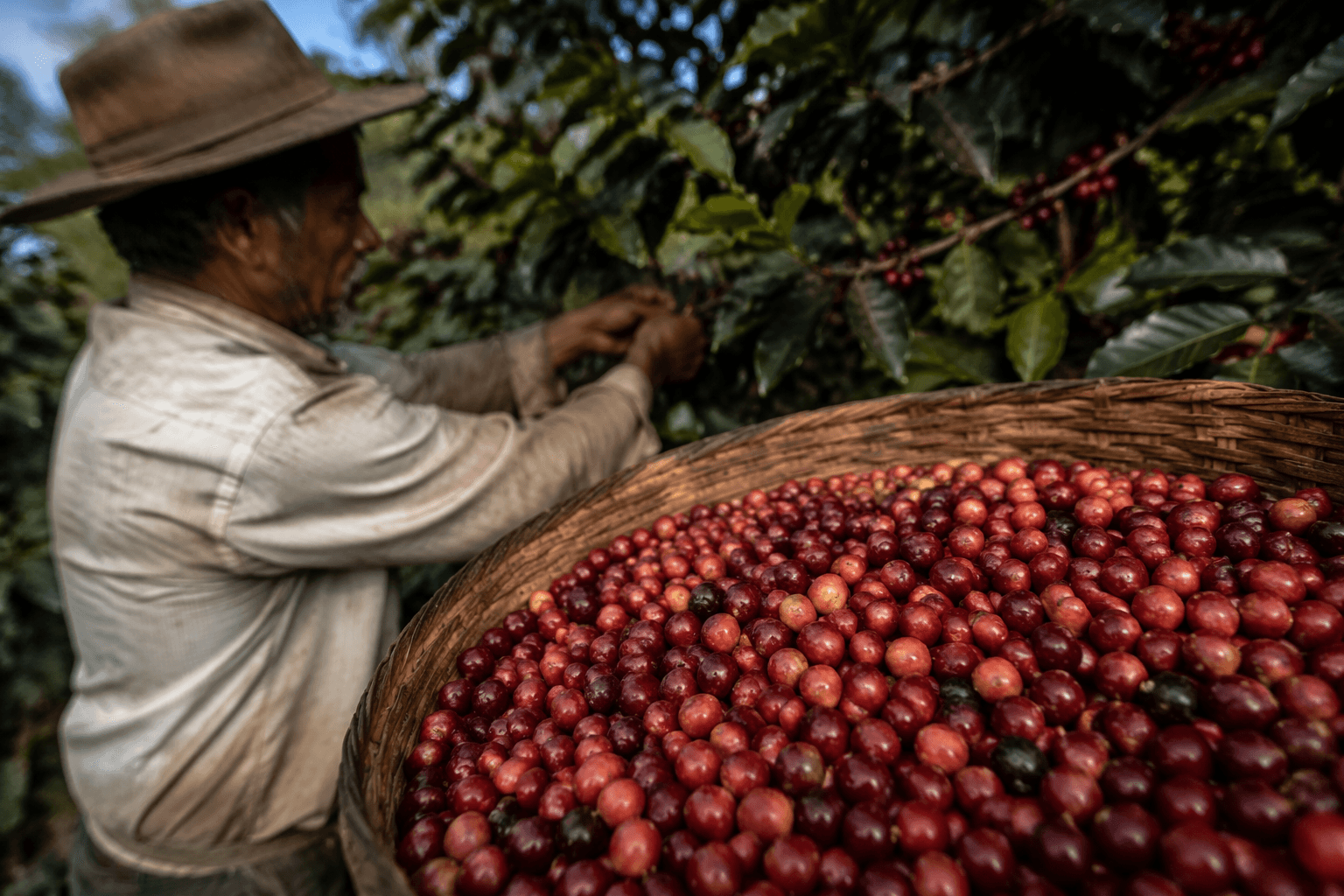
That scale does not erase vulnerability. When weather, harvest timing, labor conditions, or market swings hit Brazil, the shock travels through the whole chain, but the people closest to the land usually have the least bargaining power to absorb it.
Why the chain keeps so little at origin
Lavazza Group’s own sustainability reporting describes coffee as one of the world’s most complex and fragmented supply chains, and the numbers explain why. The company says 95% of global coffee production comes from 25 million small producers on about 12.5 million family-run farms across more than 40 producing countries. It also says the top five producers, Brazil, Vietnam, Colombia, Indonesia and Ethiopia, account for 80% of global output.
That structure is perfect for concentration at the top and fragmentation at the bottom. Millions of growers take on the weather risk, labor risk, and price risk, while a relatively small number of brands and roasters collect the payoff from consistency, scale, and trust. The more recognizable the logo on the bag or cup, the more the final product can be sold as a lifestyle choice rather than a bulk agricultural input.
Fairtrade’s price research underlines how unstable that life can be. From 2011 through 2022, its minimum price for Arabica was above the New York C price 53% of the time, and since August 2023 global coffee prices have remained unusually high. Even when market prices rise, that does not automatically translate into secure farm income, because volatility itself can make planning, hiring, and reinvestment harder for growers.
How Italian brands turn origin into margin
This is where Italian coffee brands become especially powerful. illycaffè says it has bought green coffee directly from origin countries since the late 1980s, sources 100% Arabica coffee, and treats Brazil as one of its key origins. In 2024, the company said it served more than 8 million cups a day in over 140 countries, which shows how far a tightly managed brand can travel once the coffee leaves the farm.
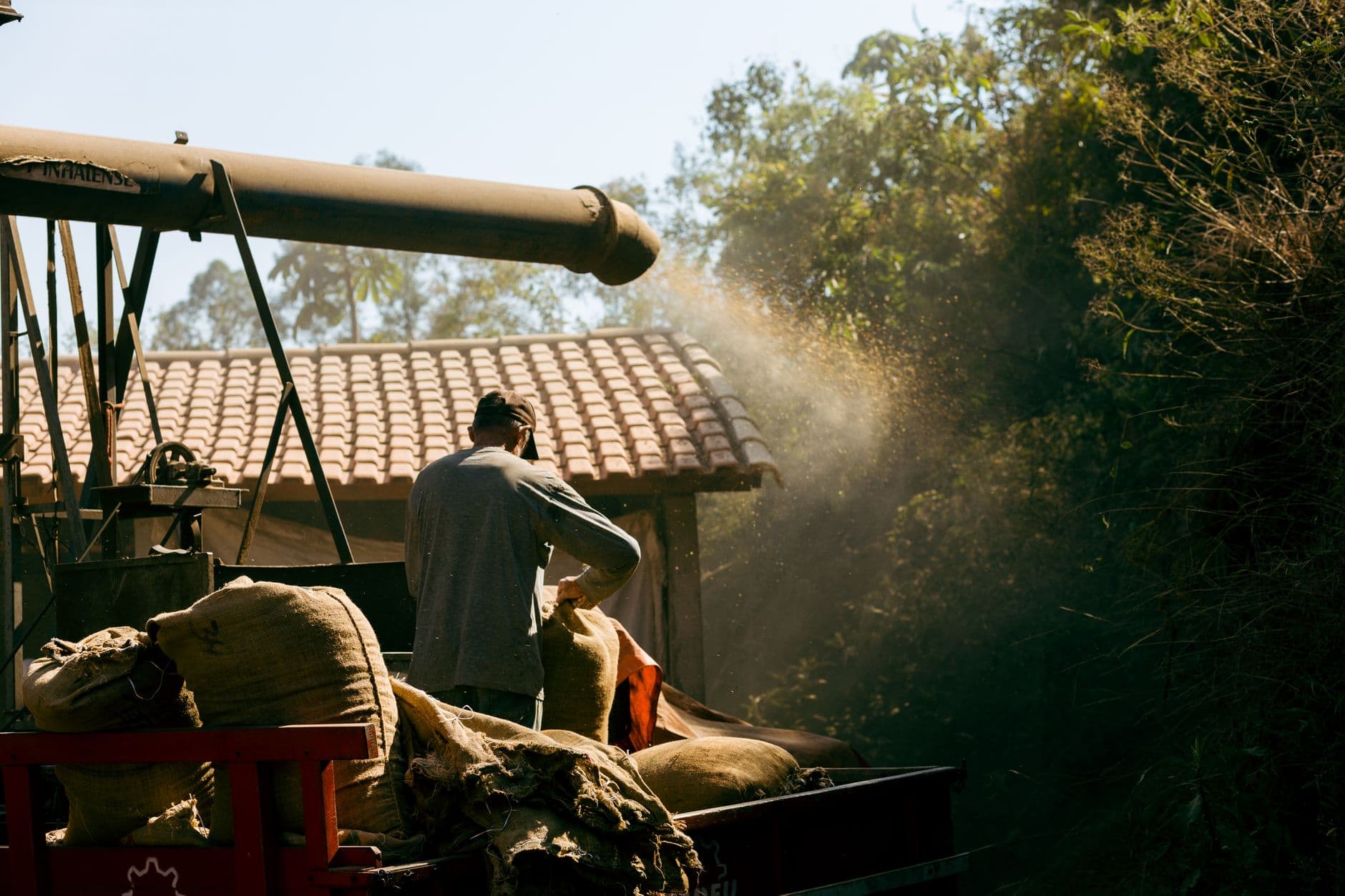
illy’s annual report also says the 33rd Prêmio Ernesto Illy de Qualidade Sustentável do Café para Espresso recognized Brazilian farmers whose coffees advanced to the Ernesto Illy International Coffee Awards. That matters because it shows how origin quality becomes part of the brand narrative. The farmers are still producing the green coffee, but the brand is the one packaging the story, curating the standards, and converting excellence at origin into global prestige.
Lavazza operates on the same logic from a broader industrial position. The company says it has more than 4,000 employees, and its business spans beans, ground coffee, pods, capsules, and ready-to-drink products. That portfolio matters because every new format is another opportunity to capture value after the harvest, whether through convenience, consistency, or the promise of Italian espresso culture in a machine-friendly form.
What to watch when you read the label
If you want to understand where the money goes, follow the chain in this order:
1. Origin, where Brazil and other producing countries absorb the agricultural risk.
2. Roasting, where raw beans become a branded flavor profile.
3. Packaging and format, where pods, capsules, ground coffee, and RTD products multiply convenience and margin.
4. Retail and brand prestige, where Italian names, not farm names, usually command the premium.
That is the hidden architecture behind a cup that looks simple on the counter. Brazil grows the coffee, but Italy often captures the story, the trust, and the retail margin. The farther the bean travels from the farm gate, the more value it accumulates in someone else’s hands, and the clearer it becomes that coffee’s real premium is built as much in branding as in the harvest.
This article was produced by Prism’s automated news system from verified source data, official records, and press releases, then run through automated quality and moderation checks before publishing. The system is built and supervised by the people who set the standards it runs under. Read our full AI policy.
Know something we missed? Have a correction or additional information?
Submit a Tip