Shade-grown coffee preserves migratory bird habitats in Latin America
Bird-friendly coffee does more than sound nice: it helps preserve winter habitat for warblers, orioles, and other migrants while giving shoppers a clear label to look for.
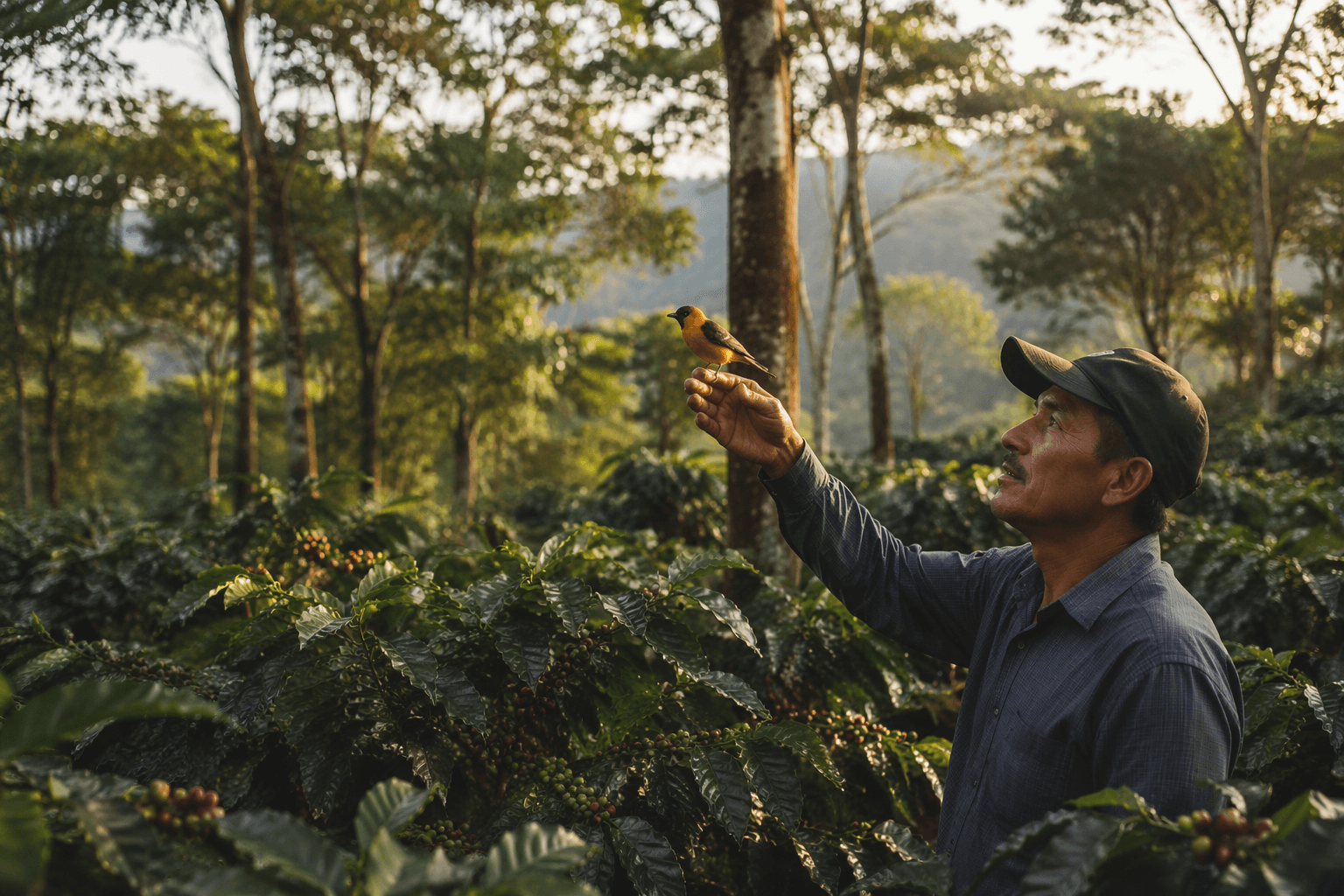
The easiest way to protect a migratory bird’s winter home may be the coffee you buy. In Latin America, millions of acres once shaded by trees have been converted into sun coffee, and the result is not just a change in flavor or farming style, but a loss of habitat for birds that depend on those canopies to rest, feed, and return year after year.
Why shade-grown coffee matters
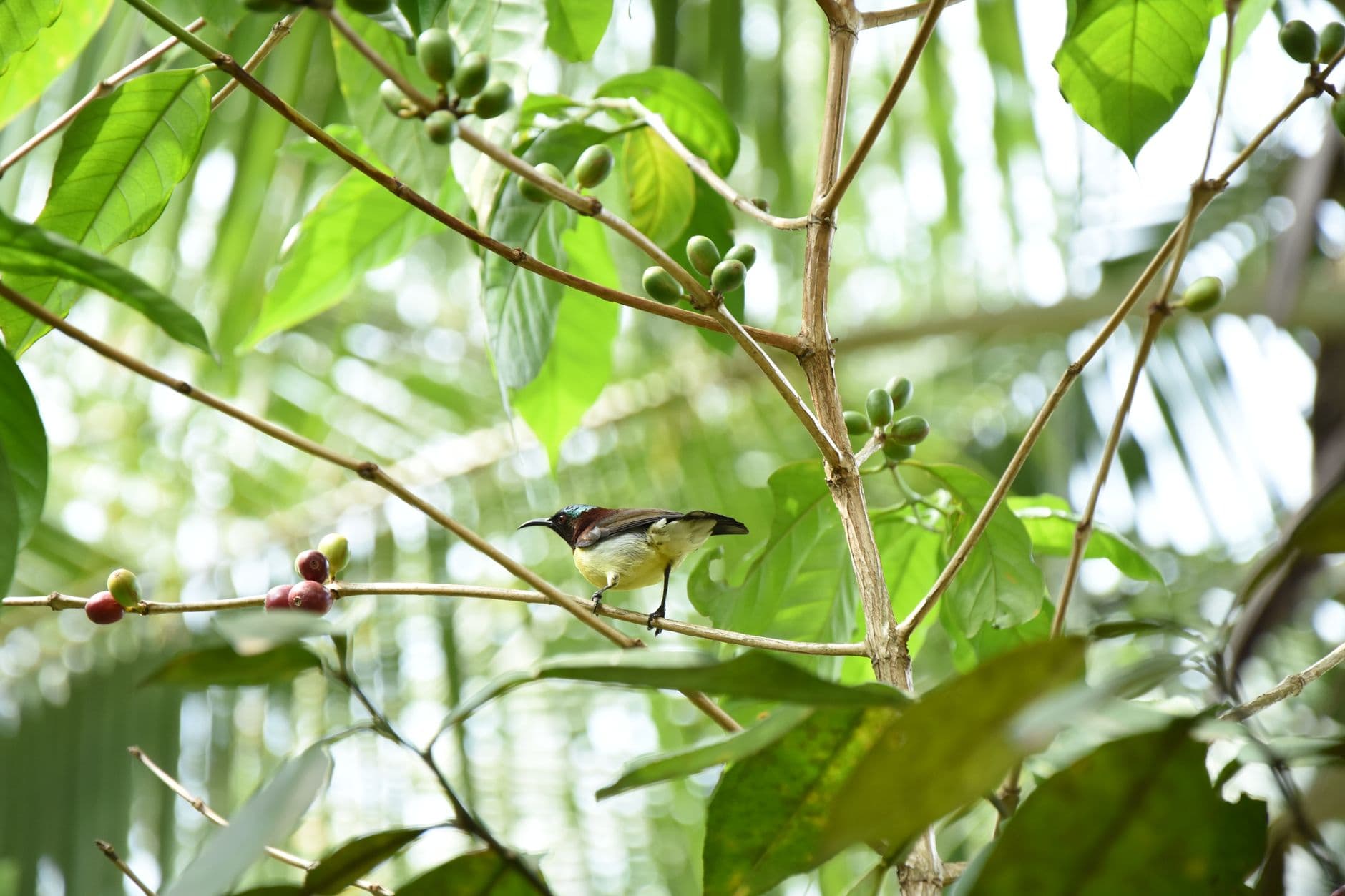
Shade-grown coffee is more than an environmental slogan. On farms that keep trees in place, the canopy creates a living corridor of insects, fruit, and nectar, which gives warblers, orioles, thrushes, redstarts, vireos, and other birds a place to forage through the winter. Cornell researchers say that much of the shade coffee in Latin America has been converted over recent decades into intensively managed row monocultures with no trees or other vegetation, a shift that strips the landscape of the layered cover birds need.
That matters because many migratory birds do not simply pass through these farms. They winter there, and some may return to the same farms year after year. In a region where tropical deforestation and agricultural intensification keep squeezing natural forest, shade-coffee farms can function as a practical refuge, not an abstract one.
What the certifications signal
For coffee drinkers, the clearest way to support that habitat is to look for Bird Friendly and shade-grown language on bags, café menus, and roaster notes. Smithsonian scientists developed the Bird Friendly certification in the late 1990s specifically to conserve habitat and protect migratory songbirds, and Smithsonian describes it as the world’s most stringent shade-grown coffee standard.
That standard is not a vague marketing claim. Smithsonian says Bird Friendly coffee is certified organic and produced on farms with a shade cover that supports migratory and resident birds. It is the kind of label that tells you something concrete about the farm system behind the cup, especially if you care about whether your purchase helps keep trees standing rather than encouraging their removal.
How the scale has grown
Bird Friendly coffee is no longer a niche experiment. Smithsonian says the program now includes more than 5,100 participants, with habitat covering more than 37,000 acres worldwide. Total production has reached 34 million pounds, up by 24 million pounds in the past decade, with farms stretching from Mexico to Colombia and Ethiopia to Thailand.
That growth matters because it shows there is a real market for coffee that preserves cover rather than clearing it. A quarter century after Smithsonian scientists first asked whether the coffee we drink could be grown in a way that is good for birds and other wildlife, the answer is still being written farm by farm, bag by bag, and roast by roast.
What the science says about habitat quality
The case for shade coffee is not built on sentiment alone. A Smithsonian review of more than 50 studies across Central and South America and Indonesia found that shade-grown farms outperform sun-grown farms on sustainability measures and are the next best thing to natural forest. That phrasing is important, because it places coffee agriculture in a real ecological hierarchy: sun systems sit far below, while shaded systems can still function as a useful substitute when untouched forest is not available.
The ecological tradeoff is clear. Open, sun-grown coffee tends to reduce bird diversity and usually relies on more chemical fertilizers and insecticides. Shade farms, by contrast, create foraging habitat through the trees themselves. The insects, fruit, and nectar found there are not a bonus feature, they are the feedstock that lets these farms operate as working habitat.
Why farmers keep converting anyway
Even with the habitat benefits, conversion to sun coffee continues because the economics are hard to ignore. Sun-grown farms can produce higher yields and bring in more money in the short term, which gives growers a direct incentive to cut back trees and simplify the system. That pressure helps explain why so much of Latin America’s shade coffee landscape has already been reshaped into row monocultures.
This is where the consumer-choice lens becomes real. If a roaster, café, or grocery shelf never signals that shade-grown coffee exists, then the market keeps rewarding the highest-yield system by default. Bird-friendly certification gives buyers a way to support a different incentive structure, one that values habitat along with harvests.
The awareness gap that still holds the market back
The challenge is that the label still has a visibility problem. A Cornell study found that among surveyed birdwatchers, only 9% bought shade-friendly coffee, and fewer than 40% were familiar with it. For a product tied so tightly to bird conservation, that is a striking disconnect.
That gap helps explain why shade-grown coffee can still feel invisible in the marketplace even though the science and the certification system are established. If more drinkers recognize the words Bird Friendly or shade-grown when they scan a bag or menu, the market signal becomes stronger, and the farms that keep trees can compete more directly with the ones that clear them.
What to look for when you shop
- Look for Bird Friendly certification when it appears on a bag, menu, or roaster description.
- Treat shade-grown language as a meaningful clue, especially when it is paired with organic certification.
- Favor coffees that say the farm keeps tree cover, since that canopy is what makes the habitat work for birds.
- Remember that the environmental payoff is tied to the farming system, not just the origin country or the roast style.
The practical test is simple enough to fit into a grocery run or café order:
Coffee has a way of turning broad ecological questions into a very ordinary choice at the counter. In the case of shade-grown coffee, that choice can mean the difference between a stripped sun field and a winter refuge where migratory birds still find trees, food, and a reason to come back.
This article was produced by Prism’s automated news system from verified source data, official records, and press releases, then run through automated quality and moderation checks before publishing. The system is built and supervised by the people who set the standards it runs under. Read our full AI policy.
Know something we missed? Have a correction or additional information?
Submit a Tip