JDE Peet’s and Nestlé tie regenerative farming to coffee supply security
JDE Peet’s and Nestlé are treating regenerative farming as bean insurance, with hard targets, field projects, and a supply-chain bet on coffee’s future.
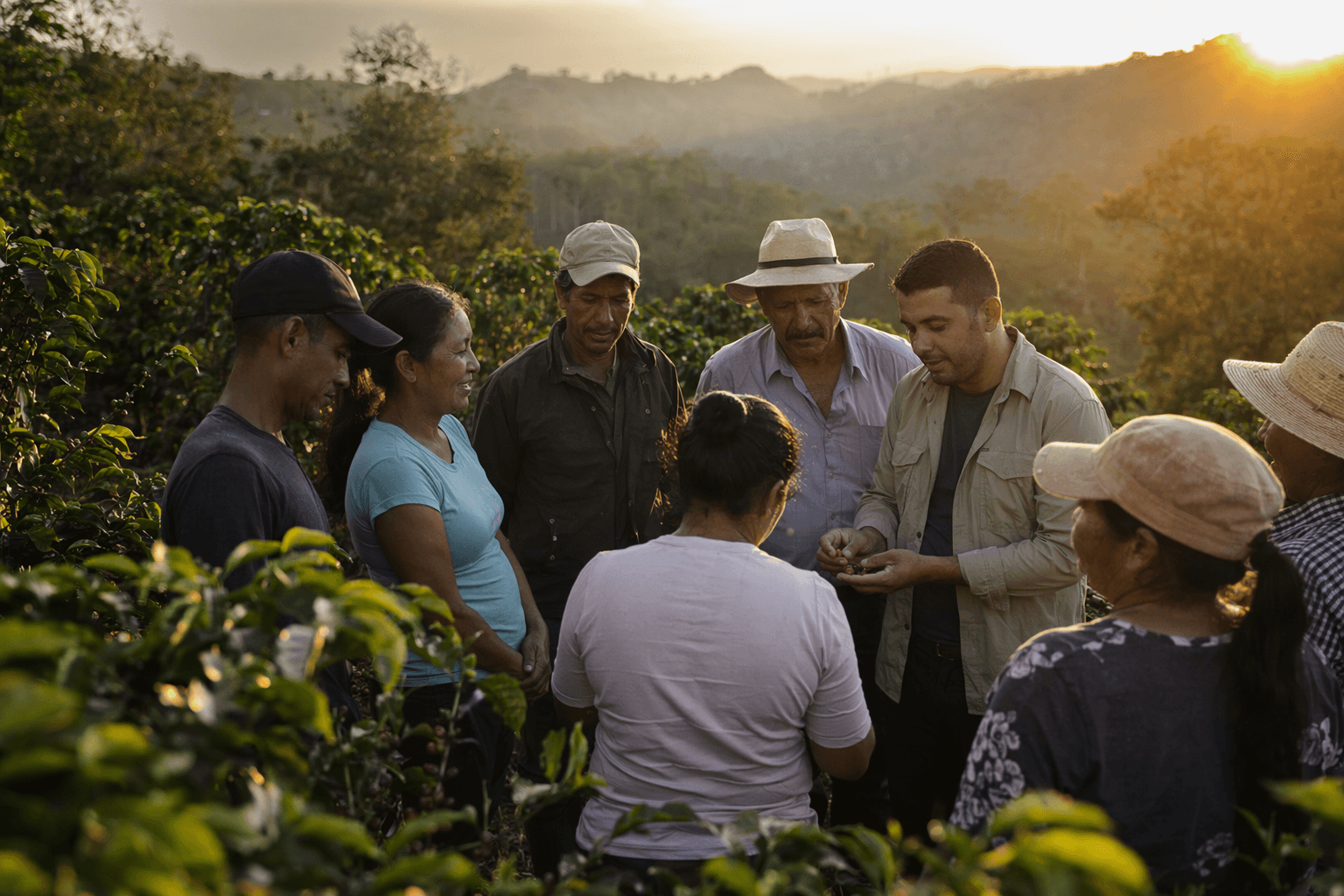
Regeneration is becoming a coffee supply strategy
JDE Peet’s and Nestlé are no longer talking about regenerative agriculture as a feel-good sustainability line. They are tying it directly to the thing that matters most to the whole coffee trade: whether there will be enough stable, affordable, high-quality coffee to buy in the years ahead. That shift matters because the companies are not treating climate risk, farm resilience, and business continuity as separate problems anymore. They are folding all three into one supply-security plan.
The scale is hard to miss. JDE Peet’s says it sources about 8 percent of the world’s green coffee, which means its sourcing decisions can ripple far beyond a single brand or market. Nestlé, meanwhile, is using regenerative agriculture to protect its own pipeline while also signaling that the next generation of farmers has to see coffee growing as a viable future, not a dead-end inheritance.
Why the biggest buyers are moving now
The business case starts with pressure. JDE Peet’s says green coffee prices have surged to historic highs, driven by atypical weather patterns in key coffee-growing countries, supply-chain disruptions, and broader macroeconomic and geopolitical factors. That is the sort of price environment that turns farming practice from a sustainability talking point into a procurement issue.
There is also a labor and farm-structure problem underneath the market noise. JDE Peet’s says there are roughly 12.5 million coffee farmers globally, many of whom own less than 1 hectare. Smallholders that size often lack the cash, land base, or credit to invest in resilience on their own, which leaves the burden on buyers, lenders, and development partners. In coffee, resilience is not an abstract climate concept. It is the difference between a plot that keeps producing and one that quietly falls out of the supply chain.
JDE Peet’s is turning nature into a sourcing roadmap
JDE Peet’s made its position unusually explicit with its Nature Transition Plan, Grounded in Nature, published on January 29, 2026. The company describes it as a science-based roadmap to protect ecosystems, strengthen farmer resilience, and secure the long-term viability of coffee production. That framing is important because it pushes regenerative agriculture out of the marketing drawer and into corporate planning.
The targets are concrete. JDE Peet’s wants an additional 200,000 hectares of regenerative coffee farming by 2030 and 100 percent responsibly sourced green coffee by 2028. The company reported reaching 83.2 percent responsibly sourced green coffee in 2024, and it says it has already hit 100 percent in several major markets, including Europe, the United States, and Australia and New Zealand. It also says the plan goes beyond simple compliance with the European Union Deforestation Regulation by aiming for deforestation-free coffee on a broader, longer-term basis.
JDE Peet’s says its Nature Transition Plan aligns with the Global Biodiversity Framework, Science Based Targets for Nature, and the Taskforce on Nature-related Financial Disclosures. It also says it was part of TNFD’s pilot group testing guidance on nature transition plans. That gives the move a financial and governance dimension, not just an agricultural one.
Nestlé is widening the lens to people, not just land
Nestlé’s version of the story stretches past emissions and soil health into the future labor force for farming itself. The company announced collaborations with The Nature Conservancy and Goodwall to accelerate regenerative agriculture and encourage young people to enter and lead the future of farming. In other words, Nestlé is treating succession as part of supply security.
Nestlé defines regenerative agriculture as an approach that conserves and restores soil, water, and biodiversity while capturing carbon and supporting livelihoods. The company says that means practices such as reduced tillage and agroforestry, but the larger point is strategic: healthy farms need healthy farm communities. Nestlé has said this work is part of a sustainable, long-term approach that supports farmer livelihoods and the stability of its business, and that collaboration across the whole value chain is necessary, with big businesses playing a key role.
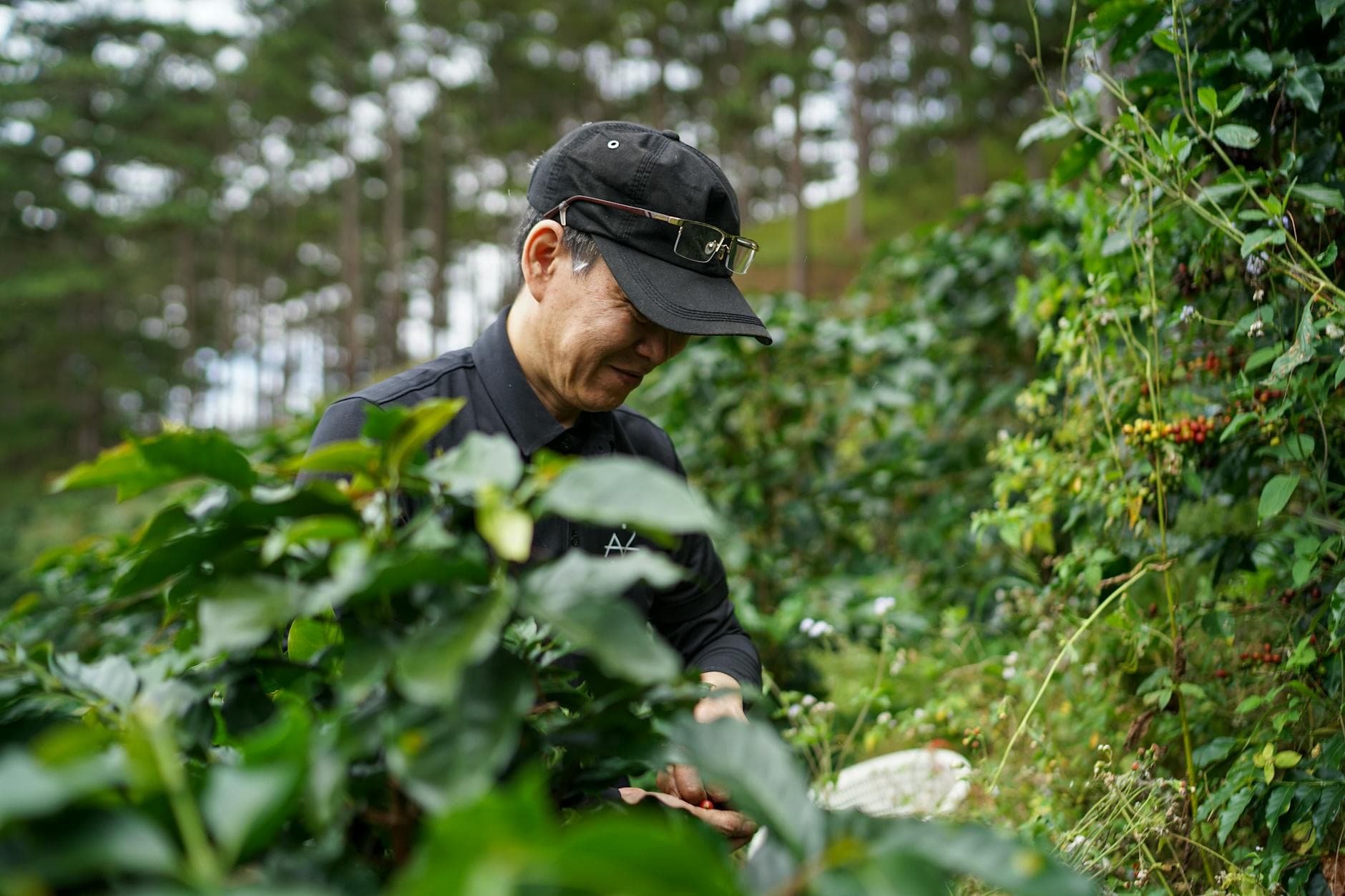
That matters in coffee because the crop is only as secure as the farms and families producing it. If younger people do not see agriculture as worth staying in, the industry can win the sustainability debate and still lose the supply chain.
The numbers behind the pitch are getting sharper
The strongest business case comes from TechnoServe’s regenerative coffee study, released with support from Nestlé, JDE Peet’s, and the Rudy & Alice Ramsey Foundation. The study concluded that adoption of regenerative practices could boost the incomes of more than 3 million smallholders, raise coffee exports by 30 percent, and cut greenhouse-gas emissions by 3.5 million tons of CO2e per year. It also put a number on the upside for farmers: incomes could rise by 62 percent.
The study covered nine major coffee-producing countries that together produce about 70 percent of the world’s coffee: Brazil, Vietnam, Colombia, Honduras, Indonesia, Uganda, Ethiopia, Peru, and Kenya. That makes the findings especially relevant to the global market, because the analysis is not based on a niche origin or a narrow farm model. It points to a system-wide opportunity across the core coffee belt.
TechnoServe’s broader briefing helps explain why the industry is circling this issue so aggressively. Coffee supports about 60 million people, roughly 12.5 million farming families depend on it, and more than 80 percent live below the poverty line. Add pressure from low profitability, land fragmentation, limited access to best practices, and climate change that is degrading soil, water, and ecosystems, and regenerative agriculture starts to look less like a premium option and more like a survival tool.
The strategy is already landing in specific origins
This is not just boardroom language. It is already showing up in country projects with named farms, regions, and timelines. TechnoServe says CAFE Amazonía Resiliente is a four-year project running from 2025 to 2029 and funded by JDE Peet’s. The project is designed to support 12,500 smallholder coffee farmers in Peru’s San Martín and Huánuco regions with regenerative agriculture, market access, and financial support.
JDE Peet’s also points to Every Cup Counts, a resilience project for coffee farming families in Northern Sumatra and Western Java. The aim there is to help families withstand climate change through agroforestry and regenerative schemes. Those details matter because coffee buyers have spent years making promises in annual reports, and growers know the difference between a slogan and a field program. These projects show the shift is already moving from narrative to implementation.
The coffee community is watching a structural reset
Nestlé has a concrete benchmark of its own. Nescafé said in 2025 that 32 percent of its coffee in 2024 came from farmers using regenerative agriculture, beating its 2025 target of 20 percent and moving toward a 2030 goal of 50 percent. The company says those practices can reduce greenhouse-gas emissions by up to 40 percent while improving productivity and climate resilience.
That is the real story here: the industry’s biggest players are starting to treat regenerative farming as core infrastructure for coffee itself. With prices stressed, weather becoming less predictable, and farm families under pressure, regenerative agriculture is being positioned as the simplest kind of insurance, the kind that protects the next crop, the next farmer, and the next decade of coffee availability.
This article was produced by Prism’s automated news system from verified source data, official records, and press releases, then run through automated quality and moderation checks before publishing. The system is built and supervised by the people who set the standards it runs under. Read our full AI policy.
Did this article answer your question?