EU deforestation rules set to reshape coffee supply chains worldwide
A Honduran coffee container became the first fully traceable EUDR shipment into Europe in October 2025, hinting at who will still make the cut by 30 December 2026.
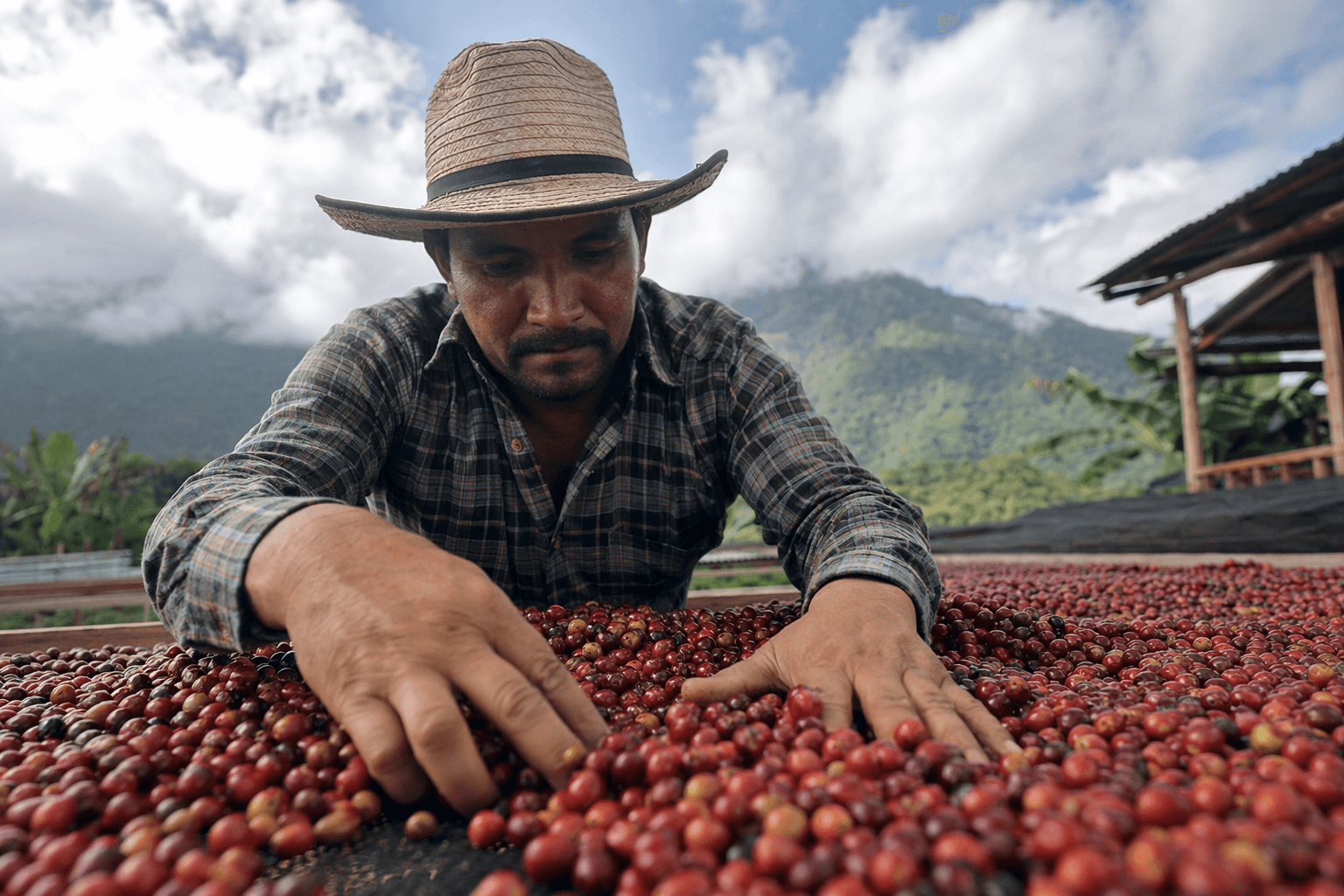
A coffee container from Honduras that reached Europe in October 2025 now looks less like a novelty than a preview of the new market. Under the EU Deforestation Regulation, the buyers who can prove where every lot came from, and that it was produced legally and without deforestation, will be the ones still landing on European shelves when the rules fully bite.
The regulation, Regulation (EU) 2023/1115, covers coffee, cocoa, palm oil, soy, cattle, wood, rubber and derived products. It is designed to cut the European Union’s contribution to deforestation, forest degradation, greenhouse-gas emissions and biodiversity loss. For coffee, the real change is operational: operators and traders placing beans on the EU market, or exporting them from the EU, must back up their claims with due diligence and geolocation-based traceability. Paper origin stories will not be enough. By the time the law applies from 30 December 2026, importers will need coordinates, legal proof and clean supply-chain records.
That is why the law is already reshaping who wins and who gets squeezed. Large exporters with mapped farms, digital traceability systems and compliance staff are better placed to absorb the cost. Smallholders and fragmented supply chains face the hardest climb, especially in origins where beans are pooled through many hands before export. The burden is not just administrative. It can force new investment in farm mapping, field verification and data systems, and that cost is likely to show up in sourcing decisions, premiums and shelf prices. Coffee that is easy to trace will be easier to buy. Coffee that is not may simply be left behind.
The industry has been bracing for this for years. The International Coffee Organization has been working with public and private stakeholders since at least 2022 and 2023, including a 24 April 2023 webinar that drew more than 260 participants from the coffee sector and EU representatives. The European Coffee Federation warned in March 2022 that the proposal could affect coffee supply and trade. By October 2025, the first fully traceable, EUDR-compliant coffee container from Honduras to Europe showed that the rule had moved from theory to shipment.
The timeline bought some breathing room, but not a reset. The Council of the European Union formally adopted a one-year postponement in December 2024, and the European Commission now says the rules apply from 30 December 2026. World coffee exports were 11.46 million bags in February 2026, down from 12.15 million a year earlier, even as exports in the first five months of coffee year 2025/26 rose 4.5% to 57.77 million bags. In a market that big, the new compliance burden will not stay confined to paperwork. It will decide which origins can keep moving into Europe, and which cannot.
This article was produced by Prism’s automated news system from verified source data, official records, and press releases, then run through automated quality and moderation checks before publishing. The system is built and supervised by the people who set the standards it runs under. Read our full AI policy.
Did this article answer your question?