Jim’s Organic Coffee unveils brand refresh for 30th anniversary
Jim’s Organic Coffee is pairing a new logo and bag redesign with 30 years of sourcing claims, betting shelf appeal can widen trust, not dilute it.
Jim’s Organic Coffee is using its 30th anniversary to make a careful bet: a fresher bag can help a legacy organic brand look relevant without blunting the credibility that got it here. For a company founded in 1996 by Jim Cannell, who it calls a pioneer behind the country’s first all-organic coffee roaster, the refresh is less about a birthday sticker and more about whether the shelf still tells the right story to loyal buyers and the specialty-curious.
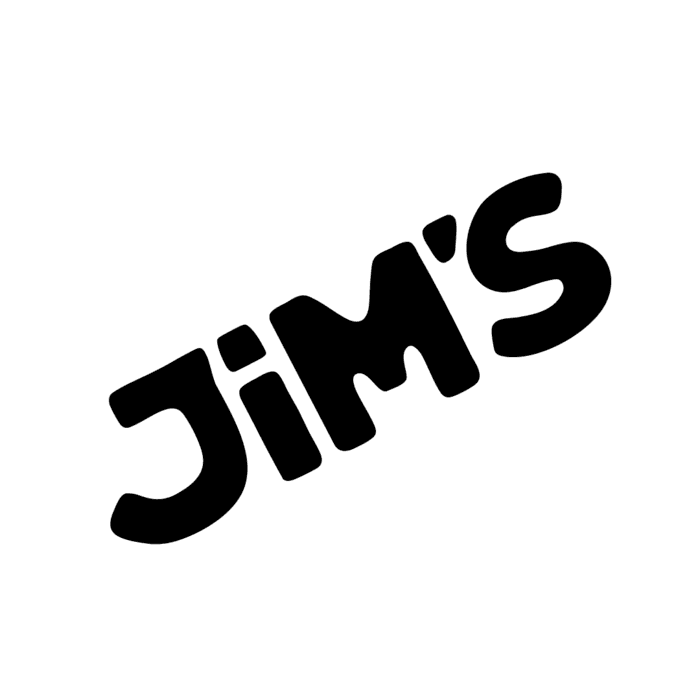
The Wareham, Massachusetts roaster said the refresh includes a new logo and updated packaging meant to signal a new chapter of growth. That matters in coffee aisles where a cleaner mark, sharper presentation, and more immediate shelf read can change how shoppers sort a bag in seconds. Jim’s is clearly trying to make the package feel more contemporary without losing the organic-first identity that has defined the brand for three decades.

That identity still rests on very specific claims. Jim’s says all of its coffees are certified organic by USDA and Oregon Tilth, and that its Costa Rican Hacienda La Amistad coffee is Smithsonian Bird Friendly certified. The company says the farm is off-grid and uses solar and hydroelectric power, details that are doing a lot of work for a brand trying to reassure buyers that the refresh is not a gloss-over. Jim’s also says it has grown to 18 employees and has more than 35 years of combined roasting and cupping experience on staff.
The sourcing story is just as central as the packaging. Jim’s says it has spent three decades building relationships with growers across Central and South America, Africa, and Indonesia, and that it has been buying from some growers for many years while visiting most of them personally. It says it has sourced from the Montesierra group in Colombia for more than a decade and has been buying coffee in the Takengon area of Sumatra for almost 20 years. Those long-running relationships are the backbone of the brand’s argument that the new look is an update, not a reset.
Jim’s also reminds buyers that it was the first company to bring a one-way valve bag containing renewable resources to market, a useful detail in a category where sustainability claims can start to blur together. The new logo may pull attention at first glance, but the real test is whether the packaging still reads like a promise of roast discipline, organic standards, and steady grower relationships. On a crowded coffee shelf, that balance is the whole game.
This article was produced by Prism’s automated news system from verified source data, official records, and press releases, then run through automated quality and moderation checks before publishing. The system is built and supervised by the people who set the standards it runs under. Read our full AI policy.
Did this article answer your question?